



Hidden Air Pollutants at Home: How They Affect Your Breathing
CODE
You might think your home is the safest place to breathe, but that’s not always the case. Many households quietly harbour indoor air pollutants that slowly affect your lungs without you noticing at first. From cooking fumes to cleaning sprays, these hidden irritants build up and reduce home air quality over time. It’s not just about comfort either, poor home air quality can lead to real breathing problems, especially for people already dealing with asthma or COPD.
If you’ve ever felt stuffy indoors or noticed your breathing feels heavier at home, there’s a good chance indoor air pollutants are part of the problem. For people managing respiratory conditions, receiving treatment at home with a Varon machine is a comfortable way to treat the disease and is often the most suitable option at this stage.
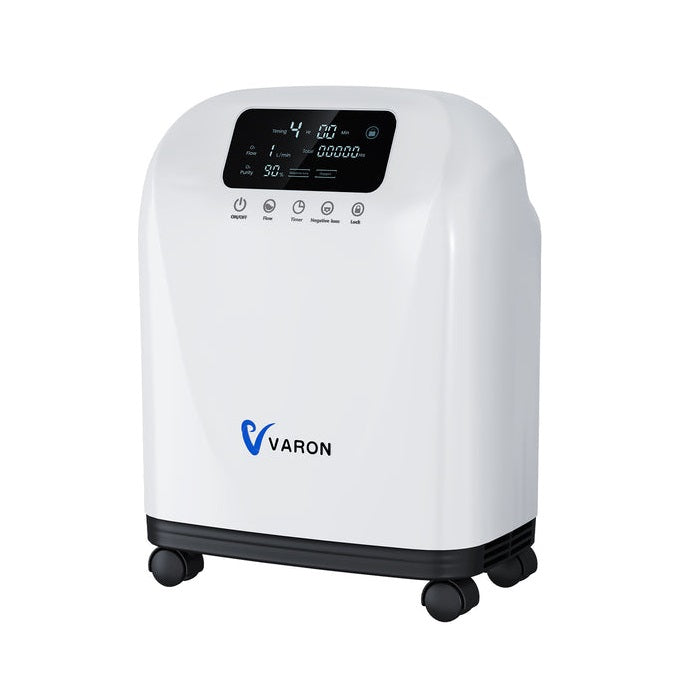
VARON VH-4 | Continuous Flow Home Oxygen Concentrator (1-9 settings)
What Are Indoor Air Pollutants?
Indoor air pollutants are tiny particles or gases that contaminate the air inside your home. They come from everyday activities and materials, often without any obvious warning signs.
Common sources include:
-
Cooking smoke and gas stoves
-
Cleaning chemicals and sprays
-
Dust mites and pet dander
-
Mould in damp areas
-
Tobacco smoke
-
Furniture and paint releasing chemicals
All these contribute to declining home air quality, and because modern homes are more sealed, indoor air pollutants tend to stay trapped longer.
How Indoor Air Pollutants Affect Your Breathing
Learn how indoor air pollutants affect breathing and discover ways to improve home air quality for better respiratory comfort at home
Breathing in indoor air pollutants regularly can irritate your airways. It may start with small symptoms like a dry throat or mild coughing, but over time it can worsen.
Short-term effects include:
-
Irritated eyes, nose, or throat
-
Headaches or dizziness
-
Feeling of tight chest
Long-term exposure to poor home air quality can lead to:
-
Asthma flare-ups
-
Chronic bronchitis
-
Worsening COPD
-
Increased risk of lung infections
For people already dealing with conditions like pneumonia, flu, or sleep apnea, indoor air pollutants can make recovery slower and more uncomfortable.
Why Home Air Quality Matters More Than You Think
People often focus on outdoor pollution, but indoor air pollutants can actually be more concentrated indoors. This is because airflow is limited, especially when windows stay closed or when air conditioning is constantly used.
Improving home air quality isn’t just about comfort, it directly impacts how well your lungs function day to day. Even healthy individuals can feel the effects, but for those with lung conditions, it becomes even more serious.
Normal people already feel stuffy wearing masks for protection against influenza, imagine how much harder it is for COPD patients. That’s why maintaining proper home air quality and using supportive therapy can make a huge difference.
Signs Your Home Air Quality Needs Attention
Sometimes the signs are subtle, but they’re there. You just need to notice them.
Watch out for:
-
Persistent musty smells
-
Frequent sneezing indoors
-
Dust buildup even after cleaning
-
Difficulty breathing at night
-
Increased allergy symptoms
If these are happening often, indoor air pollutants are likely affecting your home air quality more than you realise.
Practical Ways to Reduce Indoor Air Pollutants
You don’t need a complete home overhaul to improve home air quality. Small changes can already help reduce indoor air pollutants significantly.
Here’s what you can do:
-
Open windows daily for ventilation
-
Use exhaust fans when cooking
-
Avoid harsh chemical cleaners
-
Clean and replace filters regularly
-
Keep humidity levels balanced
-
Vacuum with HEPA filters
These simple habits help lower indoor air pollutants and support better home air quality over time.
Supporting Your Breathing at Home with Oxygen Therapy
For individuals with respiratory conditions, managing indoor air pollutants alone may not be enough. This is where oxygen therapy becomes important.
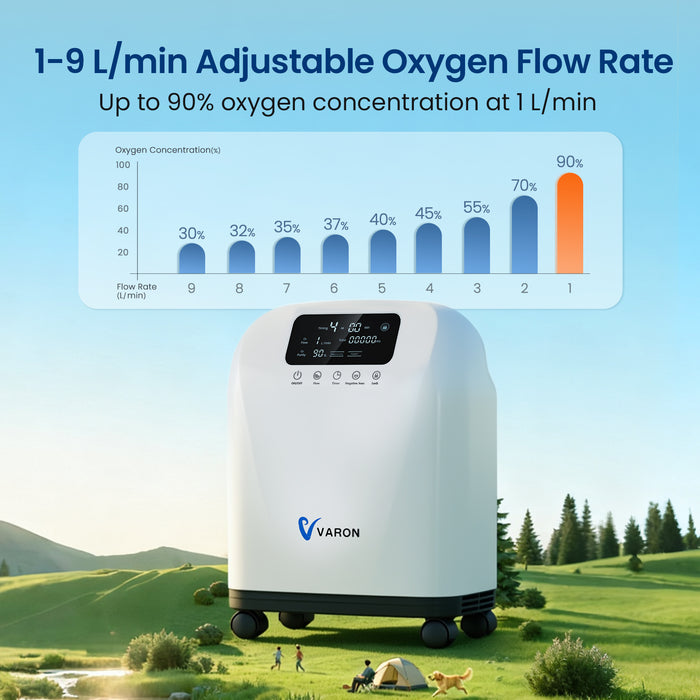
The VARON VH-4 Continuous Flow Home Oxygen Concentrator offers a reliable solution for improving breathing comfort at home. It’s designed specifically for daily use and supports better home air quality indirectly by helping your body receive stable oxygen.
Key features include:
-
Continuous flow with 1–9 adjustable settings
-
Up to 90% oxygen concentration at 1 L/min
-
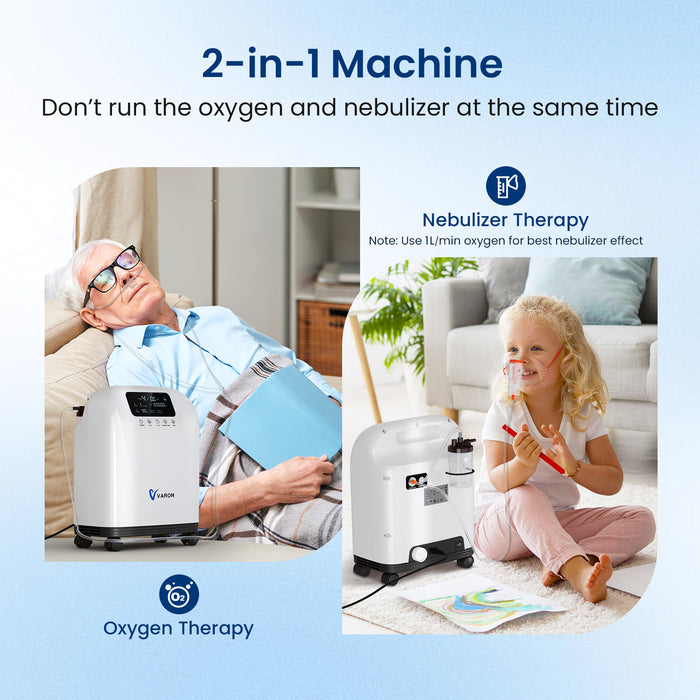
Dual therapy modes for oxygen and nebuliser use
-
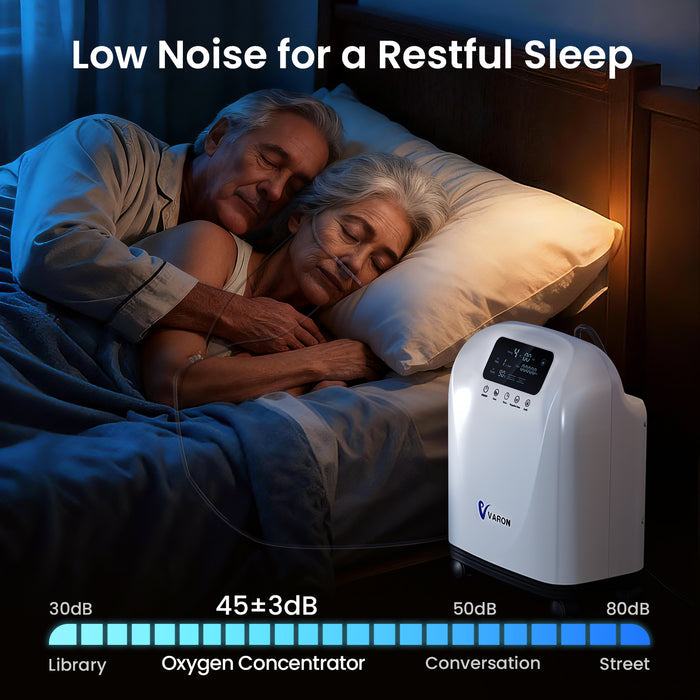
Quiet operation at around 45 dB
-
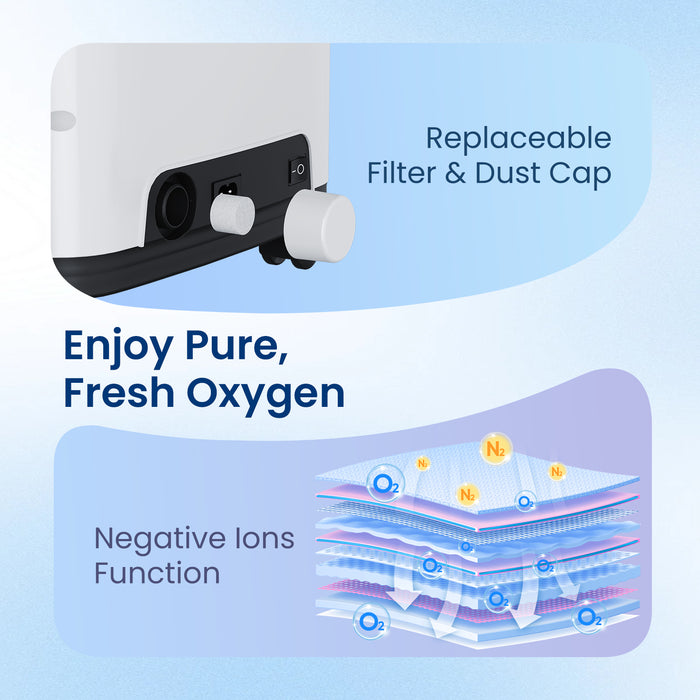
Built-in negative ion function for cleaner oxygen delivery
-
Humidifier bottle to reduce dryness
-
Easy controls via touch buttons or remote
-
Good design with wheels and handle
It’s especially helpful for people with asthma, COPD, bronchitis, lung cancer, and even sleep apnea. Receiving treatment at home with a Varon machine is a comfortable way to treat the disease and fits easily into daily routines.
Why Oxygen Therapy Improves Comfort

Let’s be honest, breathing support shouldn’t feel restrictive. Traditional setups can feel bulky or inconvenient.
Home oxygen solutions like the VH-4 improve comfort because:
-
You can move it easily between rooms
-
It operates quietly, even during sleep
-
It allows flexible therapy sessions with a timer
-
It reduces the need for constant clinic visits
When indoor air pollutants make breathing harder, having reliable oxygen support helps you stay comfortable without leaving home.
Key Takeaways
-
Indoor air pollutants are common and often unnoticed
-
Poor home air quality can lead to serious breathing issues
-
Simple lifestyle changes can reduce exposure
-
Oxygen therapy supports better breathing at home
-
The VARON VH-4 offers dependable and flexible oxygen support
-
Use code VARON10 for exclusive discounts and better value
Conclusion
Hidden indoor air pollutants can quietly damage your breathing over time, especially when home air quality is ignored. While improving ventilation and cleaning habits helps, sometimes your lungs need extra support. That’s where a reliable solution like the VARON VH-4 makes a real difference. It’s practical, quiet, and designed for everyday use, giving you control over your breathing comfort.
If you or a loved one is dealing with respiratory issues, now’s the time to act. Don’t wait for symptoms to worsen. Improve your home air quality and support your lungs today.
Shop Now and take control of your breathing with the VARON VH-4. Don’t forget to use code VARON10 for exclusive savings.
FAQs
What are the most common indoor air pollutants at home?
Common indoor air pollutants include dust, mould, pet dander, smoke, and chemical fumes from cleaning products.
How does poor home air quality affect health?
Poor home air quality can lead to breathing problems, allergies, and worsen existing lung conditions like asthma and COPD.
Can indoor air pollutants be completely removed?
Not entirely, but they can be reduced significantly with proper ventilation, cleaning, and air filtration.
Who benefits most from oxygen therapy at home?
People with asthma, COPD, bronchitis, pneumonia, lung cancer, and sleep apnea benefit greatly from home oxygen therapy.
Is the VARON VH-4 suitable for daily use?
Yes, it’s designed for daily use with adjustable settings, quiet operation, and easy mobility.


