



Stoptober: Supporting Lung Health This October
CODE
Stoptober is a chance to take a fresh step towards a smoke-free life. If you have been thinking about stopping smoking, October can be a useful time to begin, find support and build healthier daily habits. Stoptober lung health awareness is about progress, not perfection, while quit smoking breathing goals can start with one manageable change at a time.
The UK campaign encourages people to try going smoke-free for 28 days. According to the NHS Stoptober campaign, people who stay smoke-free for 28 days are five times more likely to quit for good.
Why does stopping smoking matter for your breathing?
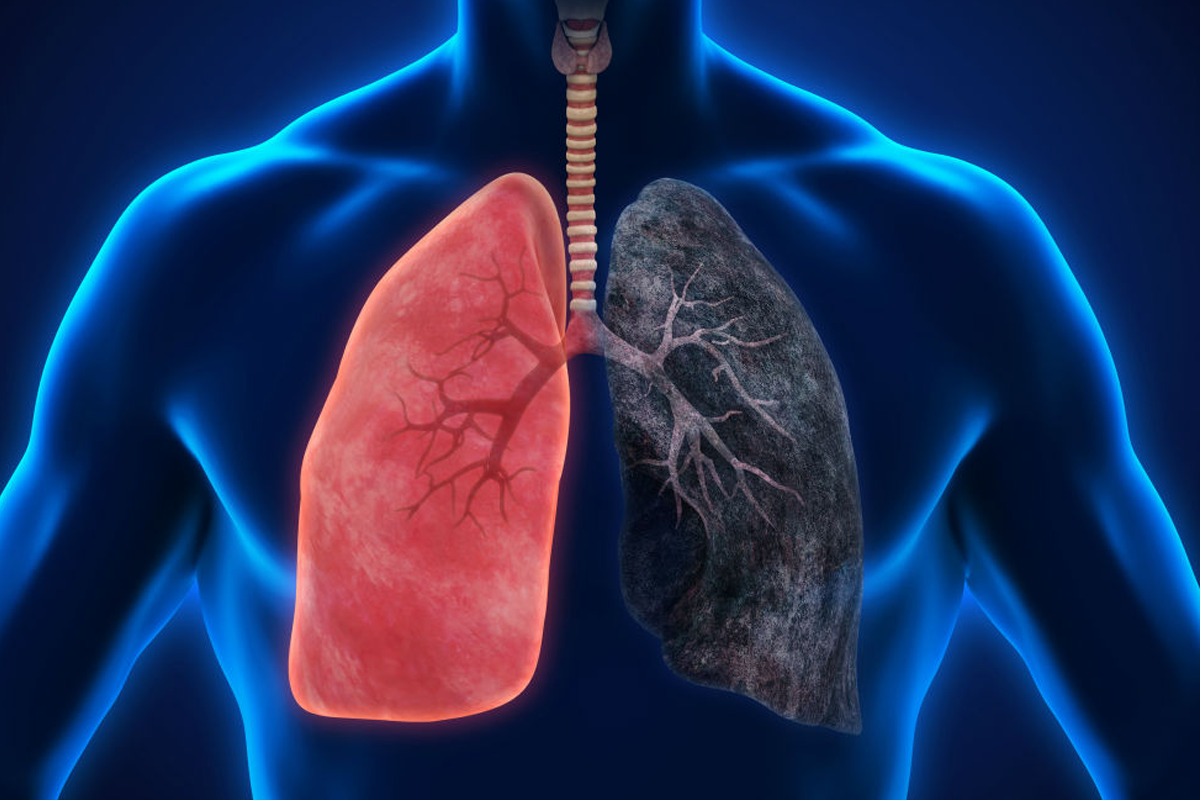
Cigarette smoke contains harmful substances that affect the lungs and the rest of the body. Over time, smoking can make everyday activities, such as walking uphill or climbing stairs, more difficult.
The encouraging news is that the body begins to recover after smoking stops. The NHS explains that some people notice improvements in taste, smell, energy and breathing within days or weeks, although everyone’s experience is different. This is an important part of Stoptober lung health awareness and a helpful reason to begin your quit smoking breathing journey.
Quitting can also protect people around you from smoke in the air. A smoke-free home, workplace and social environment can make it easier for everyone to breathe cleaner air.
How can you make quitting smoking easier?

Stopping smoking can feel difficult, especially when cigarettes have become part of your daily routine. You do not have to rely on willpower alone.
1. Identify your smoking triggers
Notice when you most often want a cigarette. It might be with your morning coffee, during a work break or when you feel stressed.
Once you recognise these moments, plan a replacement activity. For example, take a short walk after lunch, drink a glass of water or call a friend when a craving appears. These small steps can support quit smoking breathing goals by helping you stay focused on your decision to stop.
2. Get support instead of going it alone
Speak with a pharmacist, GP or local stop-smoking service about the support available to you. Nicotine replacement products and other approved support options may help manage cravings, depending on your circumstances.
The European Lung Foundation’s smoking guidance also encourages people to seek help and keep trying if they struggle. A setback does not mean you have failed. It can help you understand what to change next time.
3. Build gentle, healthy routines
Regular movement, enough sleep, balanced meals and drinking water can support your general wellbeing while you adjust to life without cigarettes. If you are not used to exercise, begin with a comfortable activity and increase it gradually according to your abilities.
These habits are not a replacement for quitting, but they can make the process feel more manageable. For Stoptober lung health, focus on realistic changes you can continue beyond October.
What can help you feel more comfortable as you stop smoking?

Some people notice coughing or changes in mucus after they quit. This can happen as the body adjusts, but persistent or worsening symptoms should not automatically be dismissed as part of quitting.
To support your quit smoking breathing routine, avoid smoky environments, keep indoor spaces well ventilated and take breaks when activities leave you tired. If breathing difficulties are new, continue to worsen or interfere with everyday life, speak to a healthcare professional.
Seek urgent medical help if you experience severe or sudden breathing difficulty, chest pain or other serious symptoms. Do not wait for a smoking-cessation plan to work before getting help.
When might extra breathing support be relevant?
Some people already have breathing difficulties or have been advised by a healthcare professional to use additional oxygen. Their needs are different from those of someone who is simply trying to quit smoking.
Stopping smoking remains an important step, but it does not mean everyone needs additional oxygen. Any oxygen support should follow professional advice, and prescribed settings should not be changed without guidance.
For readers exploring equipment for an identified need, VARON’s UK website provides options to review according to individual requirements. Choosing equipment should come after understanding your needs and seeking appropriate professional guidance.
Key Takeaways
-
Stoptober lung health awareness encourages people to make a positive change and seek support.
-
A smoke-free goal can begin with one planned step, such as identifying triggers or contacting a stop-smoking service.
-
Quit smoking breathing progress varies, so focus on steady habits rather than expecting instant results.
-
Cleaner indoor air, gentle activity and support from others can help you maintain your new routine.
-
Breathing problems that are severe, sudden or worsening need appropriate medical attention.
-
Oxygen support is for people whose needs have been assessed; it is not a substitute for stopping smoking or getting professional care.
Conclusion: Make October a Starting Point
Stoptober is not about getting everything right on the first attempt. It is about giving yourself a clear opportunity to stop smoking, learn what helps and keep moving forward. Stoptober lung health awareness can encourage that first step, while quit smoking breathing goals give you a practical reason to keep going.
If you have tried before, you can try again. Ask for help, make a plan that fits your routine and celebrate the progress you make. For Stoptober lung health, the most useful change is one you can carry into November and beyond. Keep your quit smoking breathing journey focused on realistic habits, reliable guidance and support that meets your needs.
Ready to take the next step? Visit the NHS Better Health quit-smoking resources for practical support, and explore VARON UK if you need to learn about equipment options for a specific oxygen-support requirement.

Frequently Asked Questions
What is Stoptober?
Stoptober is a UK campaign that encourages people to stop smoking during October. It offers a practical starting point for Stoptober lung health awareness and a longer-term smoke-free goal.
Can breathing improve after quitting smoking?
Some people find that breathing becomes easier within days or weeks, while other changes take longer. Your experience depends on several factors, so seek professional advice if you have ongoing concerns about quit smoking breathing.
What should I do when I crave a cigarette?
Try changing your activity, drinking water, taking a short walk or contacting someone who supports your decision. A pharmacist, GP or stop-smoking service can also explain which support options may suit you.
Is it too late to stop smoking after many years?
No. Stopping smoking can bring health benefits at any age, even after many years of smoking. Stoptober lung health is a reminder that it is worthwhile to seek support and begin when you are ready.
Does everyone who struggles to breathe need extra oxygen?
No. Breathing difficulties can have different causes, and extra oxygen is only appropriate for people who need it following professional assessment. For quit smoking breathing concerns, speak with a healthcare professional rather than choosing oxygen support yourself.


