



World Lung Day: Caring for Your Lungs Every Day
CODE
World Lung Day is a reminder that healthy breathing deserves attention throughout life. From the air we breathe to the habits we practise daily, small choices can make a meaningful difference to our wellbeing. Lung health prevention starts with understanding what our lungs need and taking practical steps to protect them.
During World Lung Day, families, caregivers and individuals can reflect on how everyday environments and routines affect breathing. Good lung health prevention includes avoiding smoke, reducing exposure to polluted air, staying active and seeking professional advice when breathing changes.
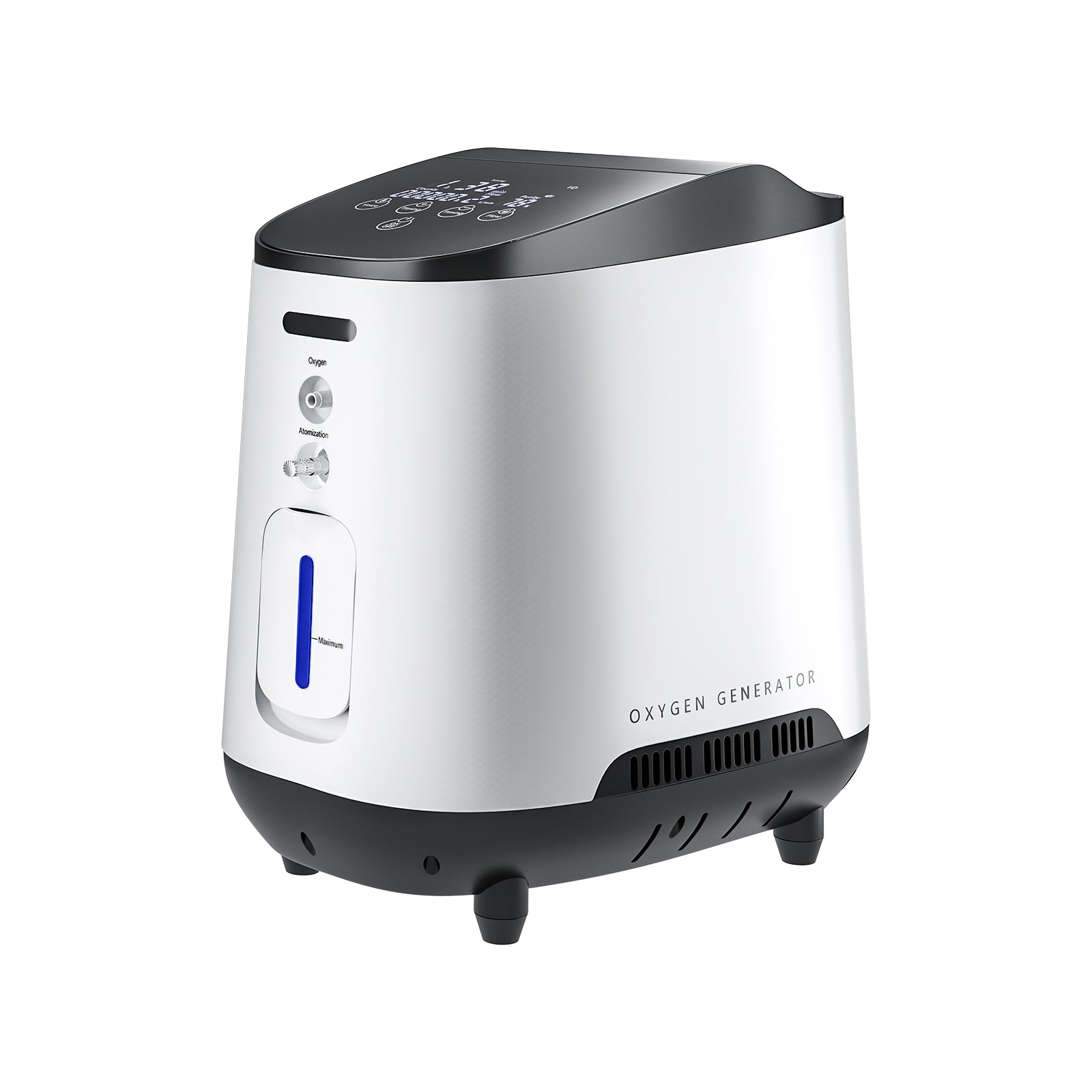
VARON VH-2 Home Oxygen Concentrator | 1-7 Adjustable, 24H Operation
Why Does Lung Health Matter?
Our lungs help the body receive the oxygen it needs to function. Every day, they work continuously, whether we are walking, sleeping, working or spending time with family.
However, smoking, air pollution, workplace dust and respiratory infections can affect breathing. Children, older adults and people already living with lung conditions may need particular care.
World Lung Day encourages people to take lung health seriously at every age. Effective lung health prevention begins with awareness, but it also requires practical action and access to appropriate healthcare.
How Can You Protect Your Lungs Every Day?

1. Avoid Smoking and Second-hand Smoke
Smoking is a major cause of lung disease, and breathing other people's smoke can also be harmful. Avoid cigarettes, vaping aerosols and smoky environments where possible.
If you smoke, ask a healthcare professional about available support to stop. Reducing exposure to smoke is an important part of lung health prevention.
2. Pay Attention to Air Quality
Air pollution can come from traffic, industrial activity, cooking fumes, household cleaning products and outdoor fires. Poor indoor air quality can also affect people who spend most of their time indoors.
To protect your lungs:
-
Ventilate rooms when outdoor air quality is suitable.
-
Avoid burning rubbish or exposing yourself to unnecessary smoke.
-
Check local air-quality updates when pollution levels are high.
-
Follow workplace guidance when handling dust, fumes or chemicals.
These everyday measures support the goals of World Lung Day and make lung health prevention more practical for individuals and families.
3. Stay Active at a Comfortable Level
Regular physical activity supports general fitness and helps people maintain their ability to manage everyday activities. Walking, gentle cycling and suitable exercises can be useful starting points.
Choose activities that match your abilities. If exercise causes unusual breathlessness, chest discomfort or dizziness, stop and seek appropriate advice rather than pushing through.
4. Eat Well and Stay Hydrated
A varied, balanced diet provides energy and nutrients that support overall health. Drink enough water throughout the day, unless a healthcare professional has advised you to limit fluids.
Healthy eating is not a substitute for medical care, but it can form part of a sustainable approach to lung health prevention.
5. Keep Up with Recommended Vaccinations
Respiratory infections can be particularly challenging for older adults and people with existing health conditions. Ask your healthcare professional which vaccinations are appropriate for your age and circumstances.
Good hand hygiene, staying home when unwell and following public health advice can also help reduce the spread of infections.
When Should You Pay Attention to Changes in Breathing?

A persistent cough, increasing breathlessness, wheezing or difficulty completing familiar activities should not be ignored. These changes can have several causes, so professional assessment is important.
Seek urgent medical help for severe difficulty breathing, chest pain or pressure, sudden confusion, or lips or skin turning unusually pale, blue or grey. In the UK, call 999 for an emergency.
World Lung Day is also an opportunity to remember that prevention does not mean managing everything alone. Early assessment and appropriate care can help people understand their needs and make informed decisions about their health.
How Does Oxygen Therapy Support Appropriate Users?
Some people require additional oxygen as part of a healthcare professional's care plan. Oxygen therapy may be prescribed when the body does not receive enough oxygen through normal breathing alone.
An oxygen concentrator takes in surrounding air, removes much of its nitrogen and delivers oxygen-enriched air to the user. It is designed for people who require prescribed oxygen support; it is not a general wellness device for everyone.
Oxygen therapy is different from everyday lung health prevention. It does not replace healthy habits, professional assessment or emergency services, and it should only be used according to individual medical guidance.
The NHS guide to shortness of breath explains when breathing difficulties require urgent attention.
How Can a Home Oxygen Concentrator Fit into Daily Life?
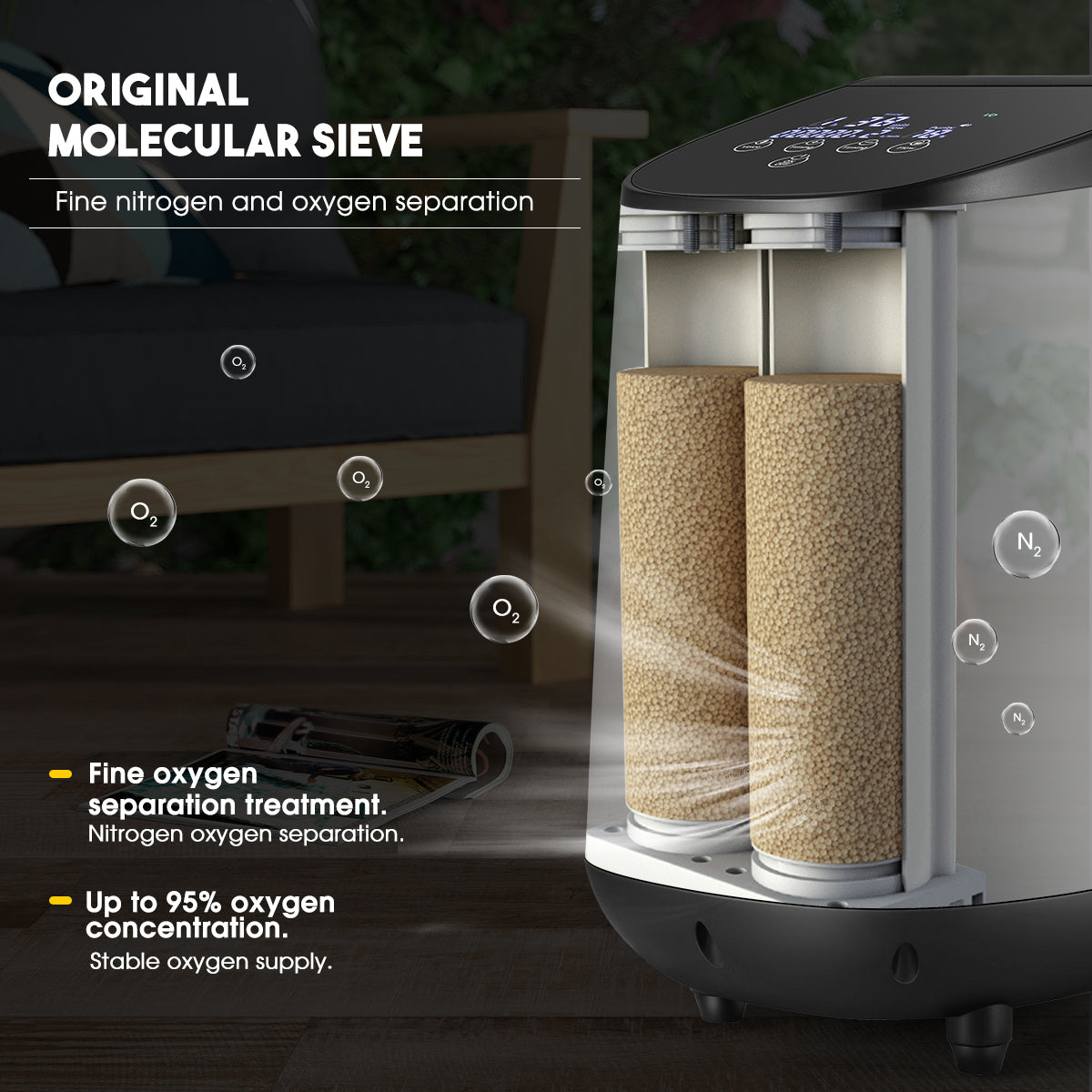
For people who have been advised to use oxygen at home, ease of operation, noise level and maintenance can influence daily comfort.
The VARON VH-2 Home Oxygen Concentrator is designed for home oxygen support. Its listed specifications include:
-
Adjustable oxygen flow: 1–7 L/min.
-
Oxygen concentration: 35%–90%, adjustable.
-
Working noise: ≤48 dB(A).
-
Operating mode: Continuous.
-
Power supply: AC110V, 60Hz.
-
Output power: 150VA.
-
Size: 12.01 × 7.09 × 12.20 inches.
-
Weight: 12.13 lb.
The device also includes an eight-stage filtration system, a colour control panel, voice prompts, a timer, an infrared remote control and a nebuliser kit.
For example, someone who has been prescribed oxygen at home may appreciate the remote control when adjusting permitted settings without repeatedly reaching for the unit. Its continuous operating mode may also suit a prescribed routine that requires ongoing oxygen delivery.
However, the appropriate oxygen flow and equipment must be determined with professional guidance. The adjustable settings should never be treated as a reason to change prescribed oxygen levels independently.
Keep Your Equipment Clean
Follow the manufacturer's instructions for routine care. For the VH-2, the supplied product guidance states that the air-intake filter cotton is not washable and should be replaced after 100–200 hours of use, or sooner if visibly dirty.
The guidance also recommends cleaning the oxygen inhaler head approximately weekly and cleaning the nasal cannula after each use. Check the product manual for complete maintenance instructions.
Key Takeaways
-
World Lung Day highlights the importance of protecting lung health throughout life.
-
Lung health prevention begins with avoiding smoke, reducing exposure to pollution, staying active and maintaining healthy daily habits.
-
Persistent or worsening breathing problems deserve professional assessment.
-
Oxygen therapy is intended for people who require additional oxygen, following professional recommendations.
-
A home oxygen concentrator can support a prescribed routine but cannot replace healthcare advice or emergency care.

Conclusion: Make Lung Health an Everyday Priority
World Lung Day is more than an annual reminder; it is an opportunity to build habits that support healthier living. Meaningful lung health prevention starts with cleaner air, smoke-free surroundings, suitable activity and attention to changes in breathing.
By making lung health prevention part of everyday life, individuals and families can take practical steps towards protecting their wellbeing. The message of World Lung Day is simple: care for your lungs consistently, seek help when something feels wrong and make informed decisions about your health.
For people who require prescribed oxygen support at home, a suitable device such as the VARON VH-2 may offer practical features for daily use. Learn more about home oxygen support and consult your healthcare professional about the equipment and settings appropriate for your needs.
Frequently Asked Questions
1. What is World Lung Day?
World Lung Day is an annual awareness day observed on 25 September that highlights lung health and encourages action to protect breathing throughout life.
2. How can I improve my lung health naturally?
Avoid smoking, reduce exposure to polluted air, stay physically active at a suitable level, eat a balanced diet and follow recommended vaccination advice.
3. What are the best ways to prevent lung problems?
Avoid tobacco smoke, limit harmful airborne exposures, practise good hygiene, follow vaccination recommendations and seek professional advice about persistent breathing changes.
4. When might someone need oxygen therapy?
Oxygen therapy may be prescribed when a healthcare professional determines that a person needs additional oxygen. The decision depends on individual assessment, not simply breathlessness.
5. Can an oxygen concentrator replace medical care?
No. An oxygen concentrator provides oxygen support for appropriate users but does not replace professional advice, prescribed care or emergency treatment.


