



World First Aid Day: The Role of Oxygen in Emergency Care
£10 Off
Enjoy special offer
CODE: VARON10
COPY
CODE
CODE
We often don't consider how important every breath is until a health emergency arises. World First Aid Day reminds us of the crucial importance of a quick and thoughtful response in difficult moments. In life-threatening situations, proper respiratory support can save someone's life. Understanding what oxygen first aid is and how emergency oxygen therapy works in practice allows us to be better prepared for unexpected events at home or in the workplace.
Oxygen is a fundamental element in maintaining life functions. When a sudden accident, exacerbation of chronic conditions, or a heart attack occurs, the body's cells immediately experience a lack of oxygen. Proper preparation for caregivers and loved ones of those with respiratory problems helps avoid panic. Let's learn the key principles of first aid, how to use oxygen first aid , and understand the principles of emergency oxygen therapy in everyday and emergency safety.
Why breathing is key in first aid
In the event of an emergency, the circulatory and respiratory systems work together to deliver life-giving energy to the brain and heart. Any interruption in this process leads to rapid deterioration of the injured person's condition. This is why oxygen first aid plays such a crucial role in the first minutes after the incident. Following appropriate procedures helps stabilize the patient's condition until the emergency medical team arrives.
Reduced oxygen saturation in the blood, called hypoxia, causes anxiety, disorientation, and, over time, heart failure. Early recognition of the symptoms of hypoxia allows for immediate action. First aid measures are aimed at securing basic life functions, and emergency oxygen therapy administered by specialists prevents the serious complications of hypoxia.
Without the optimal amount of oxygen, the body quickly weakens. Therefore, it's crucial that those around the patient know how to respond to breathing difficulties. Calmness and composure are just as valuable in these moments as technical knowledge of oxygen first aid .
How to recognize swelling and hypoxia in an injured person
Recognizing a situation that requires immediate action isn't always easy. However, there are some warning signs worth looking out for:
-
Rapid, shallow breathing or difficulty in taking in air.
-
Bluish tint of the lips, fingertips or skin around the eyes.
-
Confusion, anxiety and sudden weakness.
If you notice such symptoms, the first step should be to notify emergency services. When calling the emergency number, be sure to precisely describe the injured person's condition, specifying the urgency of implementing procedures, such as professional emergency oxygen therapy .
The role of oxygen support in emergency situations

Many patients with chronic respiratory conditions struggle with sudden episodes of shortness of breath. In these situations, emergency oxygen therapy supports the body, easing breathing and reducing anxiety. However, it's important to remember a clear distinction between emergency medical care and home support prescribed by a doctor. As part of emergency care, oxygen first aid focuses on the rapid restoration of proper gas exchange.
Oxygen administered during first aid helps maintain adequate tissue oxygenation, which protects internal organs from damage. Standard emergency guidelines, as described by European Resuscitation Council, clearly indicate that proper assessment of respiratory status is the priority of every paramedic. Taking appropriate steps quickly and understanding how emergency oxygen therapy works significantly improves patient outcomes.
For those caring for loved ones at home, knowing how to properly respond to episodes of shortness of breath and how to safely use oxygen first aid is crucial . Having the right equipment and knowing how to use it provide a tremendous sense of security.
Basic safety rules when using oxygen
Oxygen is a combustion-promoting gas, which means its use in oxygen first aid requires adherence to strict safety guidelines. Both at home and in first aid facilities where emergency oxygen therapy is used , there are several important points to keep in mind:
-
Never use open flames, candles or smoke near oxygen equipment.
-
Make sure that the room where the person using the device is staying is regularly ventilated.
-
Keep devices away from heat sources such as radiators, stoves and cookers.
-
Do not apply greasy creams or petroleum-based ointments to the patient's face while using the cannula.
The safety of household members and the injured person always comes first. It's also important to ensure regular maintenance of the equipment we use every day.
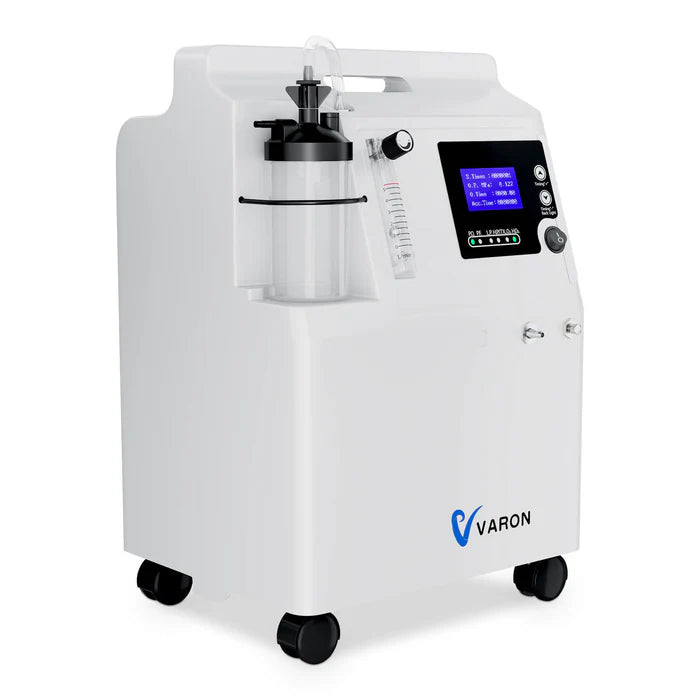
For those seeking reliable support for daily peace of mind and comfortable oxygenation at home, modern home devices can be helpful. The VARON Serene 5L stationary oxygen concentrator provides a stable supply of high-purity oxygen (93% ±3%) in continuous mode. With a flow rate of 0.5–5 L/min and a built-in nebulizer, this device is a versatile solution supporting the daily respiratory hygiene needs of household members. It operates extremely quietly (below 43 dB), allowing for peaceful rest and sleep without unnecessary noise. According to the guidelines from World Health Organization, appropriate home conditions and clean air are crucial for maintaining lung health.

How to care for your breathing equipment
Every home respiratory therapy device requires proper care to ensure it operates efficiently and hygienically. Regular maintenance prevents the accumulation of dust and microorganisms.
Here are the key rules for caring for your concentrator at home:
-
Wipe the device casing with a soft, slightly damp cloth, keeping the ventilation holes clean.
-
Wash the nasal cannula at least once a week, and if used daily, replace it with a new one every two months.
-
Clean the air filter once a month to remove pollen and dust and extend the life of the compressor.
Simple humidification and cleaning habits make daily use of respiratory equipment safe and comfortable for everyone in your home.
Key Takeaways
-
Oxygen first aid is a key element of support in health emergencies before the arrival of paramedics.
-
Understanding what professional emergency oxygen therapy is allows you to properly assess the situation and cooperate with medical services.
-
Knowing the symptoms of hypoxia allows you to react quickly and call for help immediately.
-
Compliance with safety rules when using oxygen first aid , including avoiding open flames, is an absolute condition for the use of oxygen equipment.
-
Home devices such as the VARON Serene 5L support your daily breathing needs by providing quiet operation and a nebulization function.
-
Correct implementation of knowledge about emergency oxygen therapy and regular maintenance of filters and cannulas guarantee the safe use of breathing equipment.
Frequently Asked Questions (FAQ)
When should you call an ambulance for breathing problems?
An ambulance should be called immediately if a person suddenly stops breathing, their lips turn blue, experiences severe chest pain, or loses consciousness. These are life-threatening situations, and professional emergency oxygen therapy is crucial .
Does home oxygen therapy replace first aid?
No, home oxygen support is for daily care as directed by a physician. In urgent and dangerous situations, professional emergency oxygen therapy provided by paramedics and implementation of oxygen first aid procedures are necessary .
What are the main precautions when providing oxygen support?
When using oxygen first aid, the most important thing is to strictly prohibit smoking and the use of open flames in the room. Also, ensure good ventilation and avoid using greasy facial cosmetics.
How often should you clean the filters in your home oxygen concentrator?
The air filter should be cleaned at least once a month. Regular dust removal prevents the device from overheating and ensures clean air during daily use.
Can you use an oxygen concentrator while sleeping?
Quiet devices, such as the stationary VARON Serene 5L model operating below 43 dB, are designed for continuous operation, ensuring full comfort and peace even at night.
It's worth taking care of your health and the health of your loved ones today. Learn more about how modern respiratory equipment can improve the comfort of your daily life and ensure peaceful breathing every day.
Applying the right knowledge of oxygen first aid allows us to provide effective support in unexpected moments. Remember that understanding how emergency oxygen therapy works creates a safe environment for our families and loved ones, and the ability to provide oxygen first aid and knowledge of emergency oxygen therapy are the foundation of a safe home.


