



How Oxygen Therapy Works: Goals and Key Principles Explained
CODE
Understanding oxygen therapy basics is essential in modern respiratory care, especially when learning how oxygen therapy works in clinical and supportive settings. These two ideas form the foundation of safe oxygen use in patients with breathing difficulties.
In simple terms, oxygen therapy basics explain why oxygen is given, while how oxygen therapy works explains how oxygen is delivered to improve blood oxygen levels. This is important for conditions like asthma, COPD, pneumonia, bronchitis, flu complications, sleep apnoea, and other lung-related diseases.
When we talk about how oxygen therapy works, we are referring to a controlled way of increasing oxygen intake when the lungs cannot maintain proper oxygen levels on their own. That is why oxygen therapy basics are taught in medical care, emergency response, and respiratory support environments.
Understanding Oxygen Therapy Basics
What oxygen therapy basics mean
oxygen therapy basics refer to the fundamental principle of supplying extra oxygen to maintain adequate oxygen saturation in the blood. In many cases, patients learn oxygen therapy basics when they begin experiencing shortness of breath or reduced lung function.
At its core, oxygen therapy basics focus on correcting hypoxaemia, which simply means low oxygen levels in the body. This is where how oxygen therapy works becomes clinically important.
How oxygen therapy works in practice
how oxygen therapy works is by delivering oxygen through devices such as nasal cannulas, masks, or portable oxygen concentrators. The oxygen concentration is higher than normal air, helping the lungs absorb more oxygen efficiently.
This process shows clearly how oxygen therapy works in supporting respiratory function, especially when natural breathing is not enough. That is why oxygen therapy basics always include monitoring oxygen levels regularly.
Goals of Oxygen Therapy

Improving oxygen saturation
One of the main oxygen therapy basics is increasing oxygen saturation in the bloodstream. This is the primary outcome of how oxygen therapy works, ensuring organs receive enough oxygen to function properly.
Reducing respiratory strain
Another important part of oxygen therapy basics is reducing the workload on the lungs. When oxygen is supplied externally, how oxygen therapy works helps the body breathe with less effort.
Supporting chronic and acute conditions
oxygen therapy basics apply to many conditions including COPD, asthma, pneumonia, bronchitis, flu-related complications, sleep apnoea, and lung cancer. In all these cases, how oxygen therapy works helps stabilize breathing and prevent oxygen deprivation.
Oxygen Therapy Devices and Delivery Systems
Common oxygen delivery methods
To understand oxygen therapy basics, it is important to know the delivery systems used in healthcare:
- Nasal cannula for low to moderate oxygen needs
- Oxygen masks for higher concentration support
- Portable oxygen concentrators for mobility and continuous support
Each method shows a different way how oxygen therapy works depending on patient needs.
Modern portable oxygen concentrators
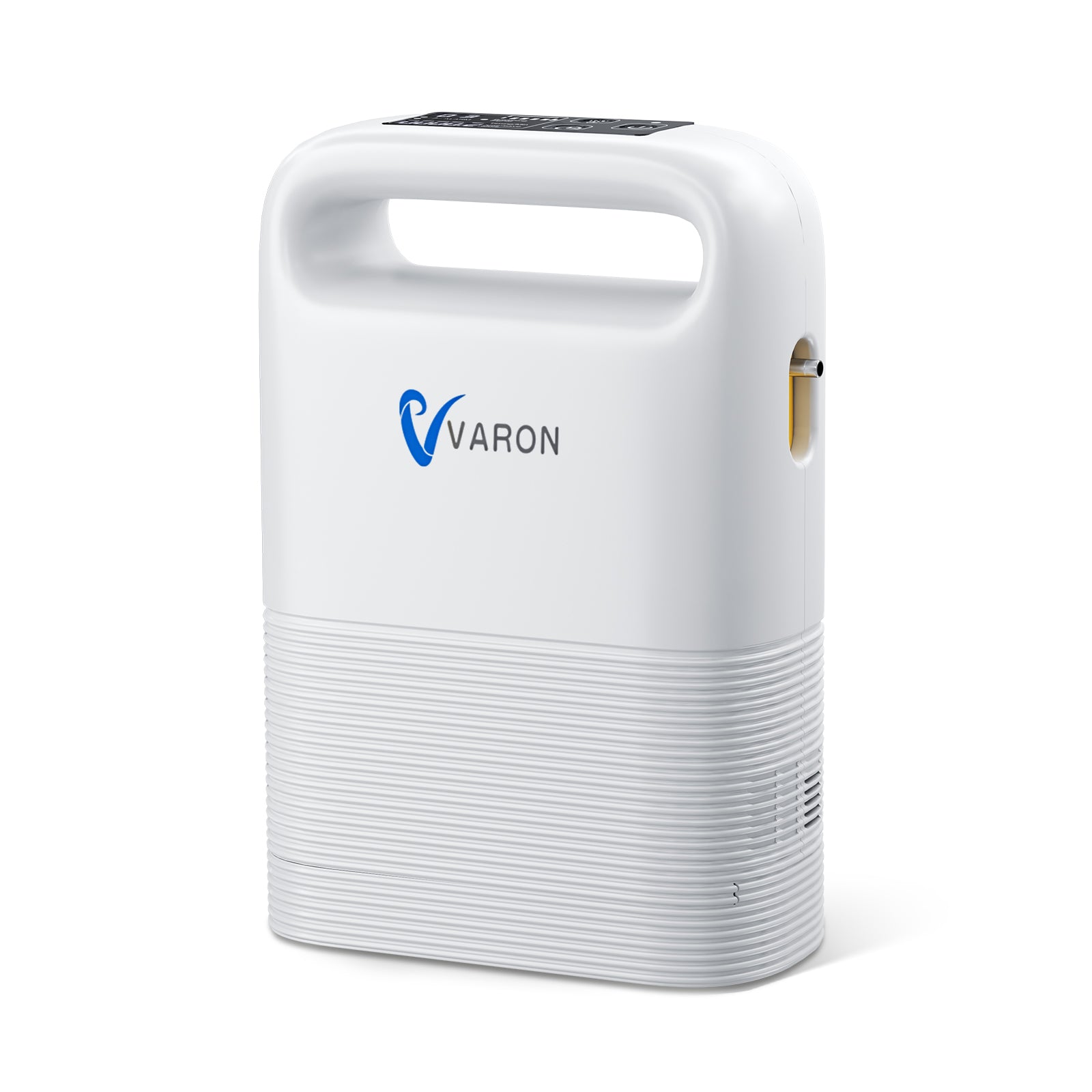
Modern devices have improved oxygen therapy basics by making oxygen delivery more stable and efficient. One example is the VARON VP-2 Portable Oxygen Concentrator, which demonstrates how oxygen therapy works using advanced pulse flow technology.
VARON VP-2 Portable Oxygen Concentrator

Key specifications and performance
The VARON VP-2 is designed to support oxygen therapy basics with modern engineering:
- Oxygen purity: 93% ± 3%
- Flow settings: Adjustable 1–5 levels
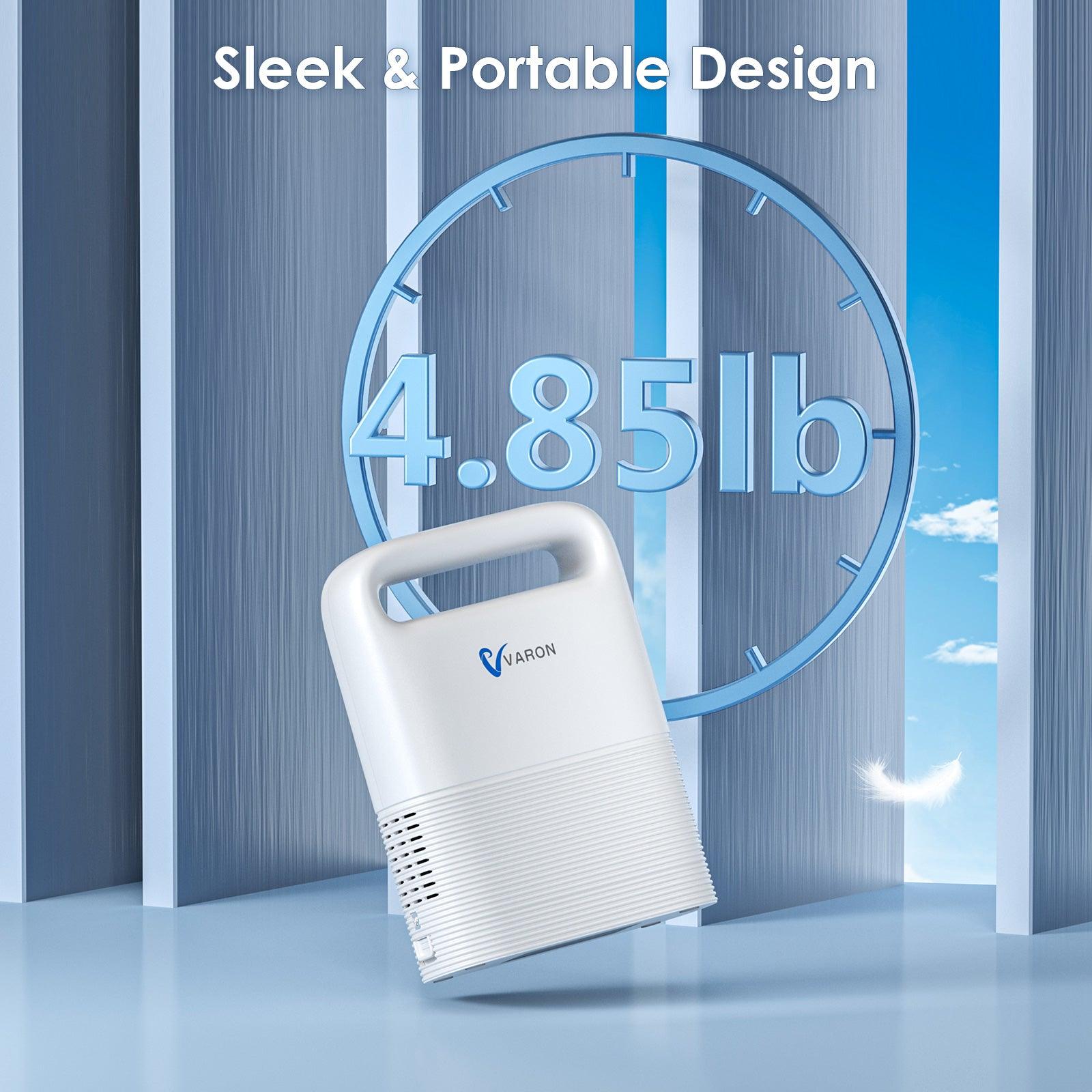
- Weight: 4.85 lbs
- Battery: 6360mAh replaceable (92Wh)
- Noise level: ≤58dB(A)
- Operation modes: Sensor Mode and Auto Mode
These features show how oxygen therapy works in a compact, efficient system that adapts to breathing patterns.
Smart oxygen delivery modes
Understanding oxygen therapy basics includes knowing how oxygen is delivered intelligently.
- Sensor Mode: delivers oxygen when inhalation is detected
- Auto Mode: provides oxygen every 3 seconds if breathing is weak
This is a practical example of how oxygen therapy works with real-time responsiveness.
Comfort and Practical Use in Respiratory Care
Why comfort matters in oxygen therapy basics
In clinical practice, oxygen therapy basics also focus on patient comfort. Many patients feel discomfort using tight masks for long periods, especially those with COPD or chronic lung conditions.
This is where how oxygen therapy works with portable concentrators becomes important, as nasal delivery systems are more comfortable and less restrictive.
Improved usability with modern devices
Devices like the VARON VP-2 improve oxygen therapy basics by offering lightweight mobility and continuous support. This reflects how oxygen therapy works beyond hospital equipment, making respiratory support more flexible.
Even normal individuals may feel discomfort wearing protective masks for influenza, so for patients with lung disease, comfort becomes even more critical. That is why oxygen therapy basics now include portable solutions that reduce breathing resistance.
Clinical Importance of Oxygen Therapy

Stabilizing oxygen levels
A key part of oxygen therapy basics is maintaining stable oxygen saturation levels. This is the central goal of how oxygen therapy works, ensuring vital organs function properly.
Preventing complications
When oxygen levels drop, complications may occur. oxygen therapy basics help prevent worsening of respiratory conditions, while how oxygen therapy works ensures timely oxygen delivery.
Key Takeaways
- oxygen therapy basics explain why oxygen support is needed in respiratory care
- how oxygen therapy works is through controlled oxygen delivery to improve blood oxygen levels
- It supports conditions like asthma, COPD, pneumonia, bronchitis, flu, sleep apnoea, and lung disease
- Modern devices improve oxygen therapy basics through portability and smart control
- VARON VP-2 shows how oxygen therapy works with sensor-based and auto oxygen delivery
- Portable systems improve comfort compared to traditional mask-based methods
- Use code VARON10 for exclusive discount on VARON VP-2
Conclusion
To fully understand respiratory care, it is important to study both oxygen therapy basics and how oxygen therapy works. These principles explain how oxygen is safely delivered to patients who cannot maintain proper oxygen levels on their own. Modern systems like the VARON VP-2 Portable Oxygen Concentrator demonstrate how oxygen therapy works in a more flexible and patient-friendly way, improving comfort and usability compared to traditional methods.
In clinical practice, oxygen therapy basics remain essential for safe treatment decisions, while how oxygen therapy works ensures effective oxygen delivery in real time.
If you are exploring respiratory support options, understanding oxygen therapy basics and how oxygen therapy works is the first step toward better breathing management.
Shop now and enjoy better breathing freedom with VARON VP-2. Use code VARON10 for exclusive savings and take control of your respiratory comfort.
FAQ – Oxygen Therapy Basics
Q1. What are oxygen therapy basics?
Oxygen therapy basics involve understanding how supplemental oxygen is provided to people who have low blood oxygen levels. Oxygen may be delivered through a nasal cannula, mask, or oxygen concentrator according to individual medical needs.
Q2. How does oxygen therapy work?
How oxygen therapy works depends on the delivery device. An oxygen concentrator draws in room air, removes nitrogen, and provides concentrated oxygen through a nasal cannula or other prescribed interface.
Q3. Who may need oxygen therapy?
People with certain respiratory or medical conditions may require supplemental oxygen when prescribed by a healthcare professional. Conditions can include COPD and other diseases associated with low blood oxygen levels.
Q4. What is the difference between pulse flow and continuous flow?
Pulse flow delivers oxygen when the device detects inhalation, while continuous flow provides a steady stream of oxygen. The appropriate delivery method depends on the user's prescribed oxygen requirements.
Q5. Is the VARON VP-2 a portable oxygen concentrator?
Yes. The VARON VP-2 is a portable oxygen concentrator with adjustable 1–5 settings, pulse oxygen delivery, a replaceable battery, and Sensor and Auto modes.
Q6. Can the VARON VP-2 be used outside the home?
The VP-2 is designed as a portable device and can support mobility when used according to its instructions and the user's prescribed oxygen therapy plan.
Q7. How can I know which oxygen flow setting I need?
The correct oxygen flow setting should be determined by your healthcare professional. Do not change your prescribed oxygen flow without medical guidance.
Q8. Does oxygen therapy improve blood oxygen levels?
Supplemental oxygen can help increase blood oxygen levels when a person has low oxygen saturation and has been prescribed oxygen therapy. A healthcare professional should determine whether oxygen therapy is appropriate.


