



COPD in Summer: A Caregiver's Guide to Heat Safety
CODE
Summer heat can turn an ordinary day into a tiring one for someone living with COPD. High temperatures, humidity and poor air quality may make breathing feel more difficult, while dehydration and overexertion can add to fatigue. That is why thoughtful COPD summer care and practical caregiver heat safety matter so much during a heatwave.
For caregivers, the aim is not to keep someone indoors and inactive all summer. It is to create a cooler, calmer routine, recognise changes early and follow the person's existing healthcare plan. With sensible COPD summer care and consistent caregiver heat safety, many of the challenges of hot weather can be managed at home.
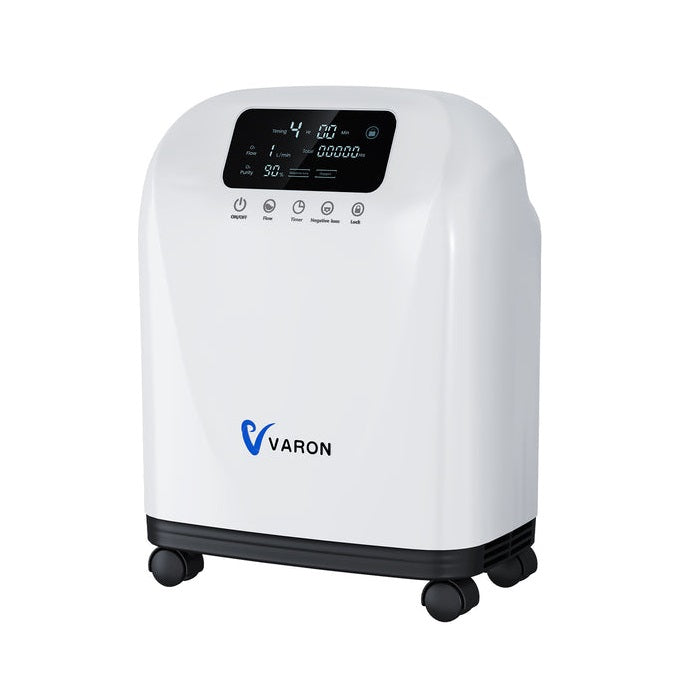
VARON VH-4 | Continuous Flow Home Oxygen Concentrator (1-9 settings)
COPD in Summer: A Caregiver's Guide to Heat Safety
Summer heat can turn an ordinary day into a tiring one for someone living with COPD. High temperatures, humidity and poor air quality may make breathing feel more difficult, while dehydration and overexertion can add to fatigue. That is why thoughtful COPD summer care and practical caregiver heat safety matter so much during a heatwave.
For caregivers, the aim is not to keep someone indoors and inactive all summer. It is to create a cooler, calmer routine, recognise changes early and follow the person's existing healthcare plan. With sensible COPD summer care and consistent caregiver heat safety, many of the challenges of hot weather can be managed at home.
Why Heatwaves Can Be Harder on Someone With COPD
Hot and humid weather can make breathing more uncomfortable. The American Lung Association lists extreme temperatures and high humidity among potential COPD triggers and recommends using air conditioning when conditions are hot or humid.
Heat also puts extra demands on the body. Someone who already becomes breathless while walking, bathing or preparing a meal may find these everyday activities more exhausting when the room is hot.
Summer air quality deserves attention as well. Pollution, smoke, pollen and other airborne irritants can aggravate breathing symptoms, so checking local air-quality information before spending time outside is a sensible part of COPD summer care.
What COPD Progression Means for Caregivers
COPD generally develops gradually. Symptoms can become more noticeable over time, with breathlessness, persistent coughing, phlegm and wheezing potentially making everyday activities increasingly difficult.
However, progression does not look exactly the same for everyone. A person may remain fairly stable for months or years and then experience a period when symptoms suddenly become worse.
This is one reason families should be cautious with online life expectancy charts. A COPD life expectancy chart can describe patterns across groups of people, but it cannot tell a caregiver exactly how long a particular person will live.
Age, smoking history, the severity of breathing problems, other health conditions, activity levels, nutrition and previous flare-ups can all influence an individual's outlook. A healthcare professional who knows the person's history can provide a much more meaningful assessment than a general online chart.
For caregivers, the more useful question is often: What can we do today to keep this person comfortable and as well as possible?
Hydration: A Simple Part of Summer Care
Dehydration is one of the major risks during a heatwave, particularly for older adults. NHS heatwave guidance highlights not drinking enough water and overheating as important risks, with people who already have breathing problems among those who can be more vulnerable.
Encourage the person to drink regularly throughout the day rather than waiting until they feel very thirsty. Keep water or another suitable drink within easy reach, especially during the hottest hours.
There is one important exception: some people have been told to limit their fluid intake because of another health condition. If that applies, follow their individual healthcare advice rather than encouraging extra fluids simply because it is hot.
Small practical changes help. A caregiver can prepare drinks in advance, use a bottle or cup that is easy to handle and offer drinks whenever the person takes a rest.
Keeping the Home Cool

Good indoor cooling is one of the most useful forms of caregiver heat safety.
Keep curtains or blinds closed where direct sunlight enters the home during the hottest part of the day. If air conditioning is available, use it to maintain a comfortably cool indoor environment rather than allowing the room to become excessively warm.
Fans can move air around, but they do not necessarily lower body temperature. During extreme heat, the American Lung Association recommends taking steps to cool the body and avoiding strenuous activity.
Think about timing, too. If the person needs to shower, prepare food, do light housework or take a gentle walk, these activities may be easier during the cooler morning or evening.
That small shift in routine can reduce unnecessary strain and is a practical example of COPD summer care.
Watch the Air Inside the Home
Keeping the room cool is only part of caregiver heat safety. The air itself matters.
Avoid smoking indoors, strong sprays, heavy fragrances and unnecessary exposure to fumes. NHS guidance also recommends avoiding irritants such as dust, smoke, car exhaust and strong-smelling cleaning products where possible.
During periods of poor outdoor air quality, keeping windows closed and using appropriate home air filtration may be preferable to bringing polluted air indoors.
A caregiver can also check weather and air-quality forecasts each morning. If conditions are particularly hot, humid or polluted, adjust the day's plans accordingly.
Recognising When Something Has Changed

One of the most valuable things a caregiver can learn is what the person's normal breathing looks like.
Pay attention if they suddenly become more breathless than usual, develop a noticeably worse cough, produce more phlegm, experience increased wheezing or struggle with activities that they normally manage. These changes can indicate that their COPD is becoming less stable.
Do not automatically assume that worsening symptoms are simply because of the heat. A healthcare professional may need to determine what is causing the change.
Severe difficulty breathing, fainting, confusion, or blue or grey colouring around the lips or face requires urgent medical attention. If the person has a personalised COPD action plan, follow it rather than trying to improvise treatment at home.
Where Home Oxygen Therapy Fits

Home oxygen therapy can be an important part of care for some people with COPD, but it is not required by everyone with COPD. It should be prescribed following an appropriate assessment, and caregivers should never change the prescribed oxygen flow simply because the weather is hot.
The American Thoracic Society has published clinical guidance on home oxygen therapy for adults with chronic lung conditions, supporting the importance of appropriate assessment, prescription and education.
For someone who has already been prescribed oxygen, a home concentrator can provide supplemental oxygen as part of their established healthcare routine. Comfort is also worth considering, particularly when someone finds restrictive face coverings unpleasant or feels uncomfortable during periods of respiratory distress.
VARON VH-4 for prescribed home oxygen support
The VARON VH-4 is a continuous-flow home oxygen concentrator with 9 adjustable flow settings from 1–9 L/min. Its oxygen concentration varies according to the selected flow: 90% at 1 L/min, 70% at 2 L/min, 55% at 3 L/min, 45% at 4 L/min, 40% at 5 L/min, 37% at 6 L/min, 35% at 7 L/min, 32% at 8 L/min and 30% at 9 L/min.
That distinction matters. The VH-4 does not provide 90% oxygen concentration at every flow setting, so caregivers should use only the flow rate prescribed for the individual.
The unit operates at approximately 45 ± 3 dB, which can be helpful in a quiet home environment. Its timer can be adjusted from 30 minutes to 4 hours, while the unit automatically shuts down after 12 hours when no timer is selected.
The VH-4 has a large LED display showing flow rate, oxygen concentration, timing and accumulated runtime. Touch controls and a remote control are intended to make everyday operation straightforward.
| Specification | VARON VH-4 |
|---|---|
| Model | VH-4 |
| Oxygen flow | 1–9 L/min, adjustable |
| Oxygen concentration | 90% at 1 L/min; decreases according to selected flow |
| Noise | 45 ± 3 dB |
| Timer | 30 minutes–4 hours |
| Automatic shut-off | After 12 hours if no timer is selected |
| Voltage | AC 110V/60Hz |
| Input power | ≤110W |
| Product size | 11 × 8.1 × 15.4 in |
| Product weight | 12.6 lb |
The VH-4 also supports separate oxygen and nebuliser therapy modes. The two functions should not be used simultaneously, and the supplied specifications recommend 1 L/min for nebuliser therapy.
A humidifier bottle is designed to make inhalation more comfortable, while the replaceable filter, dust cap and built-in negative ion function are intended to support cleaner air delivery. The unit also has casters and a carrying handle for convenient movement around the home.
If oxygen has been prescribed, use the prescribed flow rate and follow the healthcare professional's instructions. The VH-4 is a supportive oxygen solution, not a cure for COPD.
Building a Heatwave Routine That Works

Effective COPD summer care does not need to be complicated.
Start each morning by checking the temperature, humidity and air-quality conditions. Make sure the home is cool, drinks are available and prescribed treatments or equipment are ready for use according to the person's normal routine.
During the hottest part of the day, encourage rest and postpone demanding activities where possible. In the evening, when conditions are more comfortable, the person can return to their usual gentle activities if these are already part of their healthcare plan.
Most importantly, avoid treating every change in breathing as something to simply “push through”. Good caregiver heat safety means recognising when the person's usual pattern has changed and knowing when to contact their healthcare team.
Make comfort part of the care plan: keep the home cool, reduce avoidable triggers and give the person time to rest.
Key Takeaways
-
COPD summer care should focus on cooling, appropriate hydration, air quality and sensible activity levels.
-
Hot and humid conditions can make breathing symptoms more difficult.
-
Air conditioning can help keep the home more comfortable during hot weather.
-
Check weather and air-quality forecasts before planning outdoor activities.
-
Caregiver heat safety means knowing the person's normal symptoms and noticing meaningful changes.
-
A COPD life expectancy chart cannot accurately predict an individual's lifespan.
-
COPD generally progresses gradually, although periods of sudden worsening can occur.
-
Home oxygen therapy is intended for people who have been assessed and prescribed oxygen.
-
The VARON VH-4 provides continuous flow at 1–9 L/min, with oxygen concentration varying from 90% at 1 L/min to 30% at 9 L/min.
-
Never change a prescribed oxygen flow simply because of summer heat.
Conclusion
A summer heatwave can make COPD feel considerably harder to manage, but thoughtful COPD summer care can make the day more comfortable and predictable. Cooling the home, encouraging appropriate hydration, reducing exposure to irritants and recognising changes early are all practical steps a caregiver can take.
Good caregiver heat safety is not about controlling every aspect of the person's day. It is about planning ahead, paying attention and responding when something does not seem right.
A life expectancy chart may provide general information, but it cannot define one person's future. What matters in day-to-day life is supporting healthy routines, following professional advice and making the home environment as comfortable as possible.
For someone who has already been prescribed oxygen, the VARON VH-4 can provide supportive home oxygen therapy with adjustable continuous flow and a quiet operating profile. Use it as part of an established healthcare plan, not as a replacement for professional care.
With sensible COPD summer care and consistent caregiver heat safety, caregivers can help loved ones get through hot weather with greater comfort and confidence.
Frequently Asked Questions
How can I care for someone with COPD during a heatwave?
Keep the home cool, encourage appropriate fluids, avoid strenuous activity during the hottest hours, monitor air quality and watch for changes in their usual breathing symptoms.
Is hot weather bad for people with COPD?
Hot and humid weather can make breathing more difficult for some people with COPD. The NHS recommends checking weather conditions because periods of hot weather and humidity can cause breathing problems.
How much water should someone with COPD drink in summer?
There is no single amount suitable for everyone. Encourage regular fluids unless the person's healthcare professional has advised them to restrict fluid intake.
When should a caregiver worry about worsening COPD symptoms?
Contact the person's healthcare team if breathlessness, coughing, wheezing or phlegm becomes noticeably worse than usual. Severe breathing difficulty, confusion, fainting or blue or grey lips or face requires urgent help.
Does everyone with COPD need oxygen at home?
No. Home oxygen is prescribed only for people who meet appropriate clinical criteria. A person should not start oxygen or change their prescribed flow simply because they feel more breathless during hot weather.


