



Snoring or Sleep Apnoea? Understanding Nighttime Breathing Issues
CODE
When it comes to snoring vs sleep apnoea breathing during sleep, many people brush it off as just a noisy habit. But truth is, breathing during sleep tells a deeper story about your health. Some nights it’s mild, other nights it feels like something isn’t quite right, and that’s where understanding snoring vs sleep apnoea breathing during sleep really matters.
Most people don’t realise how common disrupted breathing during sleep is. You might wake up tired, dry throat, or even with headaches. These are small signals, but they point toward a bigger issue linked to snoring vs sleep apnoea breathing during sleep.
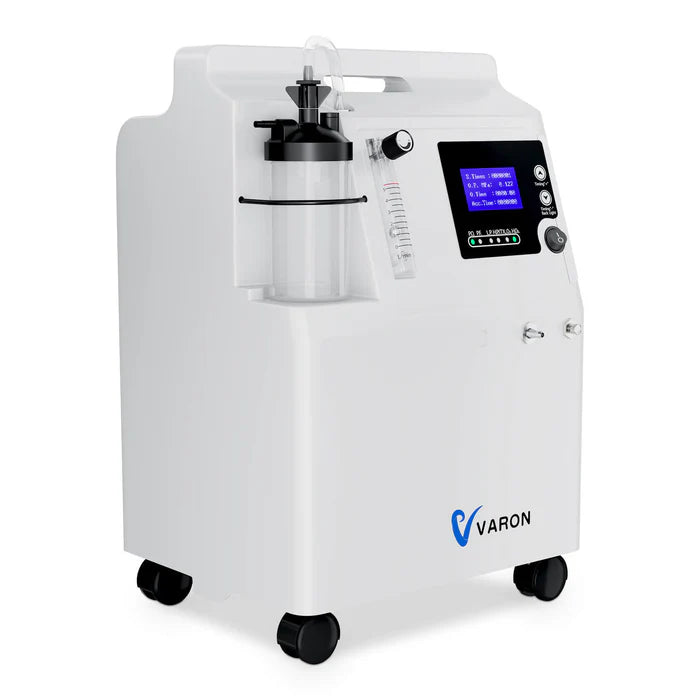 VARON Serene 5L Oxygen Concentrator |72H Operation FDA
What Is Snoring and Why It Happens
Snoring is caused by air struggling to pass freely through your airway. This creates vibrations in the throat tissues, which leads to that familiar sound.
Common causes of snoring
-
Sleeping on your back
-
Nasal congestion or colds
-
Being overweight
-
Alcohol before bedtime
-
Poor sleep posture
Snoring on its own might seem harmless. But when we look deeper into snoring vs sleep apnoea breathing during sleep, snoring can sometimes be an early warning sign of something more serious.
What Is Sleep Apnoea
Sleep apnoea is a condition where breathing during sleep repeatedly stops and starts. These pauses can last seconds or even minutes.
Types of sleep apnoea
-
Obstructive sleep apnoea (OSA) – airway blockage
-
Central sleep apnoea – brain signal issue
-
Complex sleep apnoea – combination of both
Unlike simple snoring, sleep apnoea affects oxygen levels in your body. That’s why understanding snoring vs sleep apnoea breathing during sleep is not just about noise, but survival and long-term health.
Key Differences: Snoring vs Sleep Apnoea
Let’s break down snoring vs sleep apnoea breathing during sleep in a simple way.
Snoring
-
Continuous sound
-
No breathing pauses
-
Usually harmless
-
Less impact on oxygen
Sleep Apnoea
-
Loud snoring followed by silence
-
Gasping or choking
-
Interrupted breathing during sleep
-
Serious health risks
When comparing snoring vs sleep apnoea breathing during sleep, the biggest difference is oxygen deprivation. That’s what makes sleep apnoea dangerous if left untreated.
Signs You Should Not Ignore

Some symptoms clearly point towards sleep apnoea rather than simple snoring.
Watch out for these signs
-
Loud, chronic snoring
-
Gasping during sleep
-
Morning headaches
-
Extreme daytime fatigue
-
Difficulty concentrating
If you notice these, it’s time to look deeper into snoring vs sleep apnoea breathing during sleep and consider proper treatment.
Why Breathing During Sleep Matters
Healthy breathing during sleep supports your brain, heart, and lungs. Poor airflow can lead to serious conditions over time.
Health risks of untreated sleep apnoea
-
High blood pressure
-
Heart disease
-
Stroke
-
Diabetes
-
Chronic fatigue
This is why discussions about snoring vs sleep apnoea breathing during sleep are becoming more important in modern healthcare.
Comfort Matters: Home-Based Respiratory Support
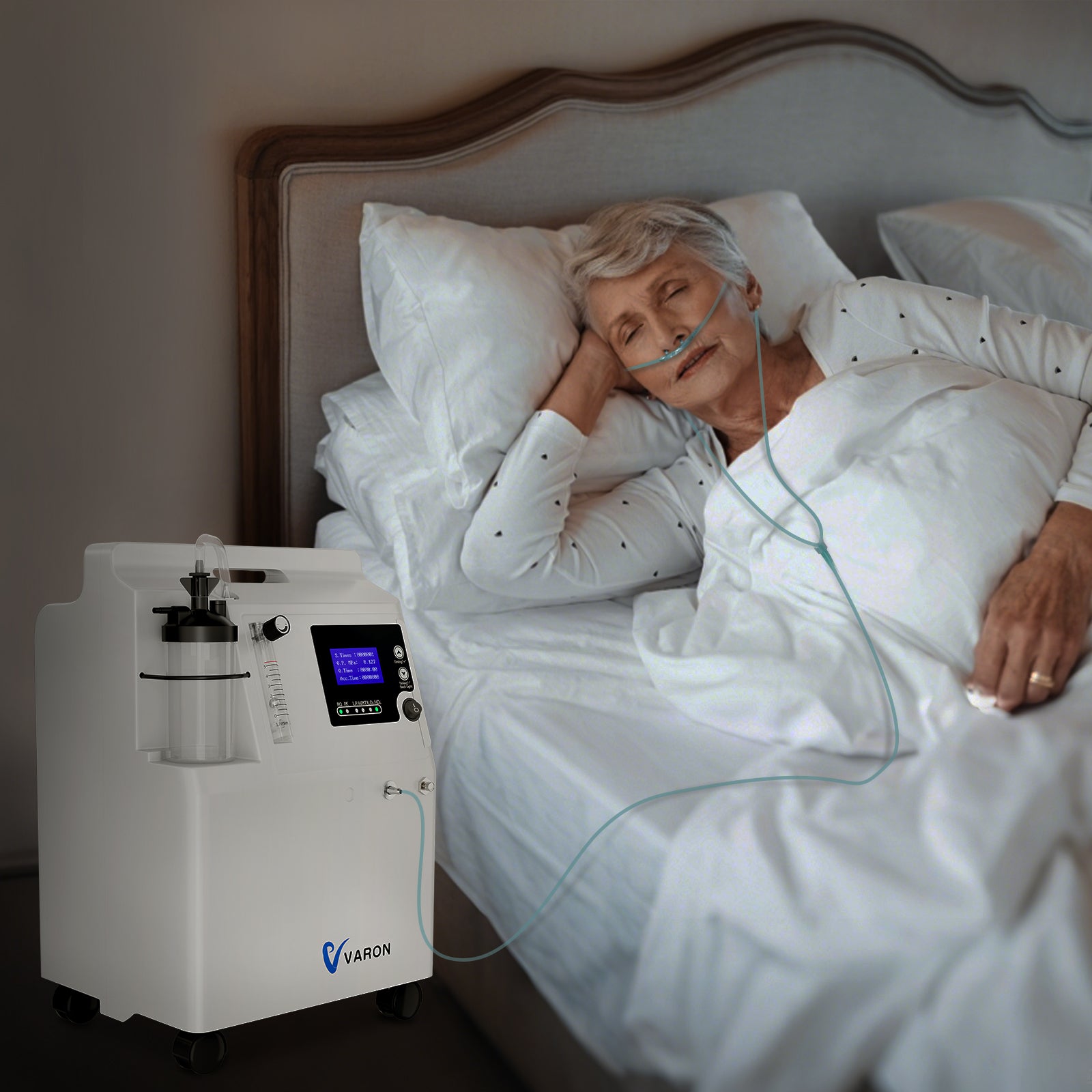
Here’s something many overlook. Receiving treatment at home with a Varon machine is a comfortable way to treat the disease, especially conditions like asthma, COPD, pneumonia, bronchitis, lung cancer, flu, and sleep apnoea.
Normal people already feel stuffy wearing masks for protection against influenza. Not to mention COPD patients. That’s why portable and machine therapy offers a more comfortable, long-term solution for better breathing during sleep.
Introducing the VARON Serene 5 Oxygen Concentrator
If you’re dealing with issues related to snoring vs sleep apnoea breathing during sleep, the right equipment can make all the difference.
Why VARON Serene 5 stands out
-
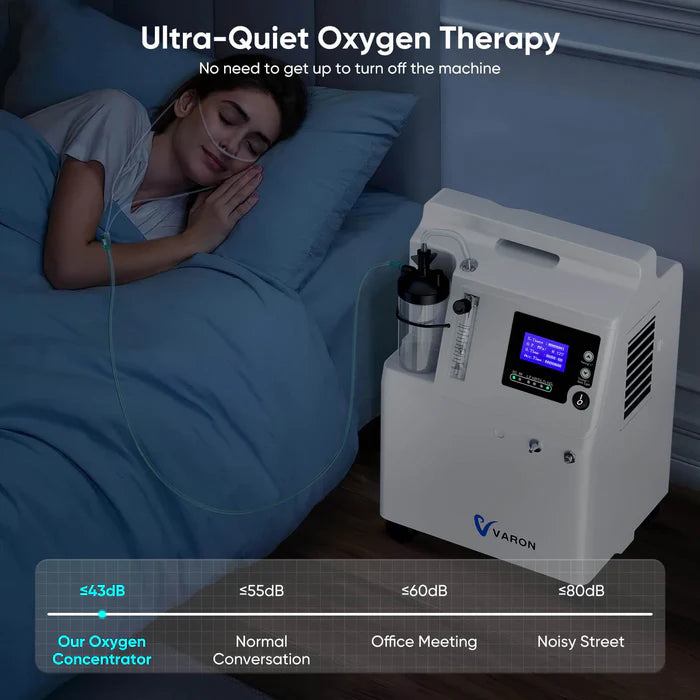
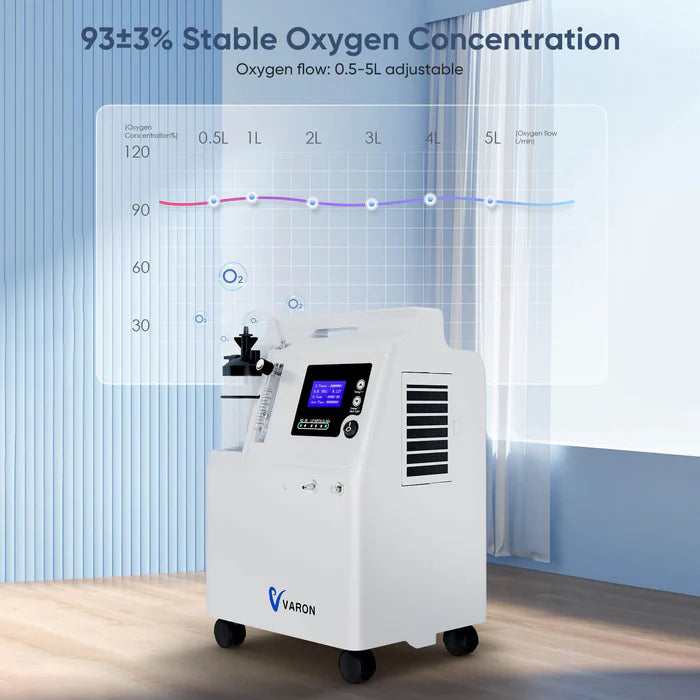
Oxygen Flow: 0.5–5L/min
-
Oxygen Concentration: 93% ±3%
-
Noise Level: ≤43dB (quiet enough for sleep)
-
Continuous 72-hour operation capability
-
Outlet Pressure: 0.04–0.07Mpa
It delivers stable oxygen for improved breathing during sleep, especially for those managing sleep apnoea or respiratory illnesses.
Dual function convenience
-
Oxygen therapy
-
Built-in nebulizer
No need for multiple devices. It simplifies care at home.
Designed for everyday use
-
Large LCD smart panel
-
Timer from 10 to 2400 minutes
-
Remote control included
-
Four caster wheels for mobility
You can even pair it with CPAP or BiPAP machines, making it a flexible solution when dealing with snoring vs sleep apnoea breathing during sleep.
How It Improves Sleep Quality
When used alongside a CPAP or BiPAP machine, an oxygen concentrator can help ease symptoms linked to snoring or sleep apnoea. It supports more stable breathing during sleep by maintaining oxygen levels, but it’s important to note it is not a cure for sleep apnoea.
The Serene 5 is fully compatible with CPAP and BiPAP machines, making it a practical add-on for those already using sleep therapy equipment.
Benefits include:
-
Better sleep quality
-
Less fatigue during the day
-
Reduced strain on the heart
-
Improved mental clarity
When addressing snoring vs sleep apnoea breathing during sleep, consistent oxygen flow is key.
Maintenance Tips for Best Performance
To keep your device running properly:
-
Clean the exterior regularly
-
Wash nasal cannula weekly
-
Replace cannula every 2–6 months
-
Clean filters monthly
Simple care ensures long-term support for your breathing during sleep.
Key Takeaways
-
Snoring vs sleep apnoea breathing during sleep is not the same, and knowing the difference is critical
-
Sleep apnoea affects oxygen levels and can lead to serious health issues
-
Monitoring breathing during sleep helps detect early warning signs
-
Home treatment using a Varon machine is comfortable and effective
-
The VARON Serene 5 offers medical-grade oxygen with quiet operation
-
Use code VARON10 for exclusive discounts and better access to home therapy
-
Early action improves long-term respiratory health
Conclusion
Understanding snoring vs sleep apnoea breathing during sleep can genuinely change your health outcomes. It’s not just about noise at night, it’s about how your body functions while you rest. If breathing during sleep is disrupted, your body suffers silently. That’s why investing in proper support like the VARON Serene 5 Oxygen Concentrator is a smart move. It brings comfort, reliability, and real improvement right at home.
Don’t wait until symptoms worsen. Take control now, improve your breathing during sleep, and experience better rest every night. Shop Now and use code VARON10 for exclusive savings.
FAQs
1. Is snoring always a sign of sleep apnoea
No, but it can be an early warning when looking at snoring vs sleep apnoea breathing during sleep.
2. How do I know if I stop breathing during sleep
Signs include gasping, choking, and extreme fatigue during the day.
3. Can oxygen therapy help sleep apnoea
4. Is home treatment effective for respiratory conditions
Yes, especially with devices like the VARON Serene 5, it offers comfort and consistency.
5. How often should I maintain my oxygen concentrator
Clean filters monthly and replace nasal cannulas regularly for best performance.


