



Sleeping Well in the Heat: Oxygen Therapy Tips for Summer Nights
£10 Off
Enjoy special offer
CODE: VARON10
COPY
CODE
CODE
Warm summer evenings should bring relaxation, but rise in temperatures can make bedtime challenging. When sticky humidity fills the air, hot weather breathing sleep becomes a real hurdle for anyone managing nighttime respiratory comfort. Pairing warm weather with standard nocturnal equipment often feels overwhelming, as heat tends to amplify feelings of stuffiness or air hunger. Finding effective sleep oxygen therapy summer strategies helps restore peace to your evening routine.
When bedroom heat rises, your body works harder to maintain its internal balance, making consistent oxygen intake vital. Navigating hot weather breathing sleep issues requires a careful blend of sensible environmental control and proper equipment habits. By understanding how temperature impacts respiratory ease, you can establish a routine for successful sleep oxygen therapy summer management.
With a few targeted adjustments to your space and routine, cooling your night becomes entirely achievable. Getting quality rest using sleep oxygen therapy summer solutions simply depends on managing your immediate bedroom climate. Embracing tailored hot weather breathing sleep techniques ensures you wake up feeling fully refreshed each morning.
Understanding the Impact of Heat on Nighttime Breathing
High evening temperatures significantly alter indoor air dynamic, making airflow feel dense and heavy. When warm air collects in an enclosed bedroom, breathing naturally requires more effort. This extra exertion raises your core temperature slightly, which disrupts deep sleep cycles.
Higher humidity levels also cause room air to feel stagnant and uncomfortable. Standard face masks or tubing can trap heat directly against your skin. This extra warmth creates localized discomfort, prompting frequent awakenings and restless tossing.
Recognizing how thermal stress affects your nightly comfort allows you to proactively adjust your environment. Cooling down your sleeping space minimizes the effort needed for restful breathing throughout the night.
Optimizing Bedroom Temperature and Airflow
Managing room temperature is your primary line of defense against summer sleep disruptions. Aim to keep your bedroom ambient temperature between 18°C and 20°C. Lower temperatures actively support your body's natural cooling mechanisms, encouraging faster sleep onset.
-
Keep window blinds or thermal curtains closed during daylight hours to block direct solar heat gain.
-
Use cross-ventilation by opening opposite windows during cool early morning hours, closing them before ambient temperatures rise.
-
Position a quiet floor fan to circulate cool air gently around the room without pointing it directly at your face.
-
Switch to breathable, lightweight bedding made from natural fibers like pure cotton or linen.
Hydration and Air Quality Management
Breathing warm air can quickly dry out delicate nasal passages, especially when using medical equipment. Hydration plays a critical role in keeping respiratory tissues moist and comfortable. Drinking adequate water during the daytime prevents nighttime dryness without causing frequent bathroom visits.
Static air indoors often concentrates dust and household allergens, which further irritates sensitive airways. Ensuring continuous air movement reduces the perception of stuffiness in warm rooms. Using dedicated equipment features designed to add moisture helps maintain gentle, soothing airflow overnight.
Maintaining clean filters on any household device prevents dust build-up from hindering smooth air delivery. Regular hygiene checks ensure your evening routine remains fresh, cool, and supportive.
How Home Oxygen Therapy Supports Summer Comfort

Integrating reliable home support equipment helps ease the physical strain of breathing through hot nights. A dedicated machine provides a steady supply of enriched air, reducing feelings of severe air hunger or chest tightness. Consistent supplemental flow helps your body stay relaxed, preventing the spike in heart rate often triggered by warm environments.
Modern home units are engineered to operate quietly and cleanly within residential spaces. Supplying consistent airflow without excessive noise prevents unnecessary disruptions to your sleep cycle. Having reliable home support allows individuals to maintain complete rest without feeling overwhelmed by heavy summer humidity.
Supporting Restful Nights with VARON VH-4
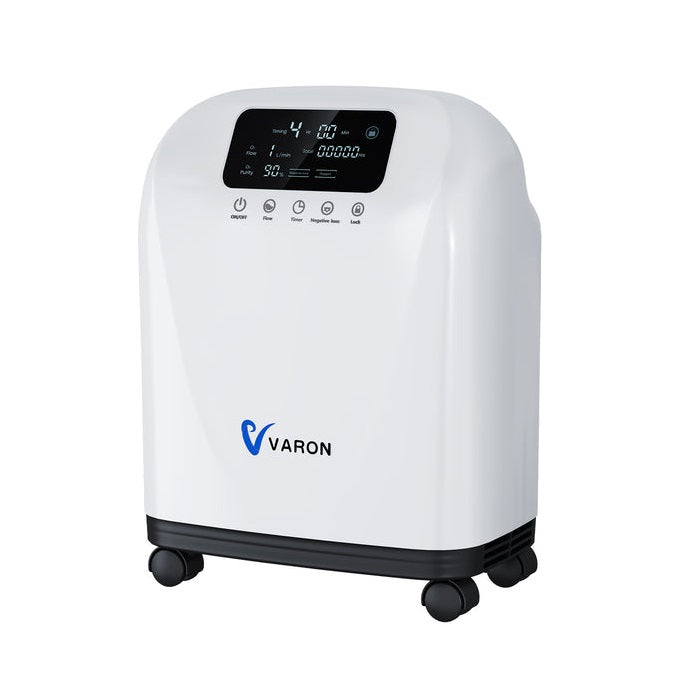
For reliable evening support, the VARON VH-4 Continuous Flow Home Oxygen Concentrator offers an adaptable solution tailored for daily home comfort. This lightweight unit weighs just 12.6lbs (5.7kg) and measures 11×8.1×15.4in (28×20.5×39cm), featuring smooth-rolling casters and a sturdy handle for effortless movement between rooms.
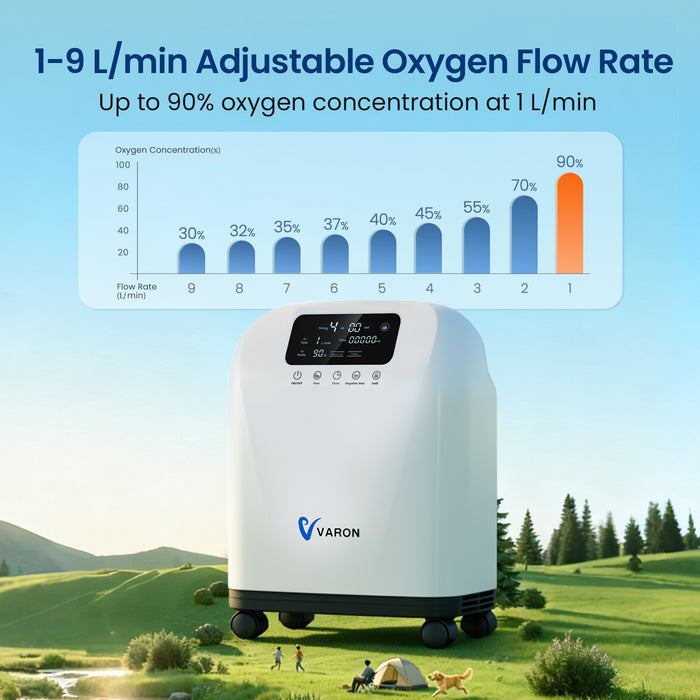
The VARON VH-4 delivers continuous flow with 9 adjustable settings, providing 90% oxygen concentration at 1 L/min, 70% at 2 L/min, 55% at 3 L/min, 45% at 4 L/min, 40% at 5 L/min, 37% at 6 L/min, 35% at 7 L/min, 32% at 8 L/min, and 30% at 9 L/min. For high concentration requirements across all higher flow rates, users may consider clinical-grade alternatives like the VARON Serene 5.
Designed for quiet nocturnal operation, the VH-4 functions at roughly 45±3dB, helping preserve a quiet bedroom atmosphere. It features a built-in negative ion function, a replaceable filter, a dust cap, and a built-in humidifier bottle that reduces nasal dryness during dry summer nights.
The unit includes an intuitive touch panel, a large LED display, and a remote control. A flexible timer allows settings from 30 minutes up to 4 hours, with an automatic shut-off feature after 12 hours if no timer is selected. Operating on AC110V/60Hz with power consumption under 110W, it also provides a dual therapy mode with a dedicated nebulizer function (recommended at a 1 L/min flow rate, used separately from oxygen mode).

Improve your summer sleep quality and explore reliable home comfort with VARON today.
Key Takeaways
-
Maintain bedroom temperatures between 18°C and 20°C using shade management, natural ventilation, and quiet fans.
-
Stay hydrated during daytime hours to support airway moisture and prevent nighttime nasal dryness.
-
Use a built-in humidifier bottle with your home concentrator to relieve stuffiness and dryness.
-
Keep air delivery filters clean and clear to ensure fresh, consistent airflow through warm evenings.
-
Choose a quiet, mobile home concentrator like the VARON VH-4 to maintain continuous breathing comfort.
-
Enjoy exclusive savings on your home comfort equipment using discount code VARON10 at checkout.
Conclusion
Conquering hot weather breathing sleep issues comes down to creating a cool, well-ventilated bedroom space. Managing ambient heat, drinking enough fluids, and keeping indoor air moving effectively removes the strain from warm summer nights. Implementing these simple environmental changes makes a dramatic difference in your overall sleep quality.
Relying on supportive home devices simplifies your sleep oxygen therapy summer experience significantly. Modern equipment like the VARON VH-4 offers continuous flow settings, quiet operation, and built-in humidification to prevent dryness during hot spells. These supportive features allow you to rest comfortably without struggling against stuffy room air.
Take charge of your evening comfort this season by optimizing your sleep setup. Apply code VARON10 to receive a discount on your home wellness equipment. Proactive room cooling combined with dependable continuous flow support ensures peaceful, restorative sleep all summer long.
Frequently Asked Questions
How does warm weather affect nighttime breathing comfort?
Warm air holds more humidity and feels denser, increasing the physical effort needed to draw comfortable breaths overnight.
What bedroom temperature is best for summer breathing support?
Keeping your bedroom between 18°C and 20°C encourages natural core cooling and minimizes nighttime awakenings.
How do I prevent nasal dryness while using equipment in summer?
Using an integrated humidifier bottle adds necessary moisture to incoming air, preventing nasal passages from drying out.
Can I move my home concentrator easily between rooms?
Yes, lightweight units featuring built-in handles and smooth-rolling casters can be moved effortlessly from living areas to bedrooms.
Why is low operational noise important for nighttime equipment?
A low operating noise level around 45 dB prevents background sound from disturbing sleep, ensuring a quiet, peaceful room environment.


