



How Lack of Sleep Indirectly Affects Breathing During the Day
CODE
Getting enough sleep is one of the simplest ways to support your overall health, yet many people still struggle to get proper rest. Busy schedules, stress, health conditions, and poor sleeping habits often lead to restless nights. While most people know that lack of sleep causes tiredness, poor focus, and low energy, fewer realise that it can also influence breathing during the day.
The connection between sleep deprivation breathing and overall respiratory wellness is often overlooked. When your body does not get enough sleep, it cannot fully recover, affecting muscles, inflammation levels, and even how efficiently your lungs work throughout the day. Maintaining good rest and lung function goes beyond simply feeling refreshed. It plays an important role in keeping breathing comfortable, especially for people living with respiratory conditions.
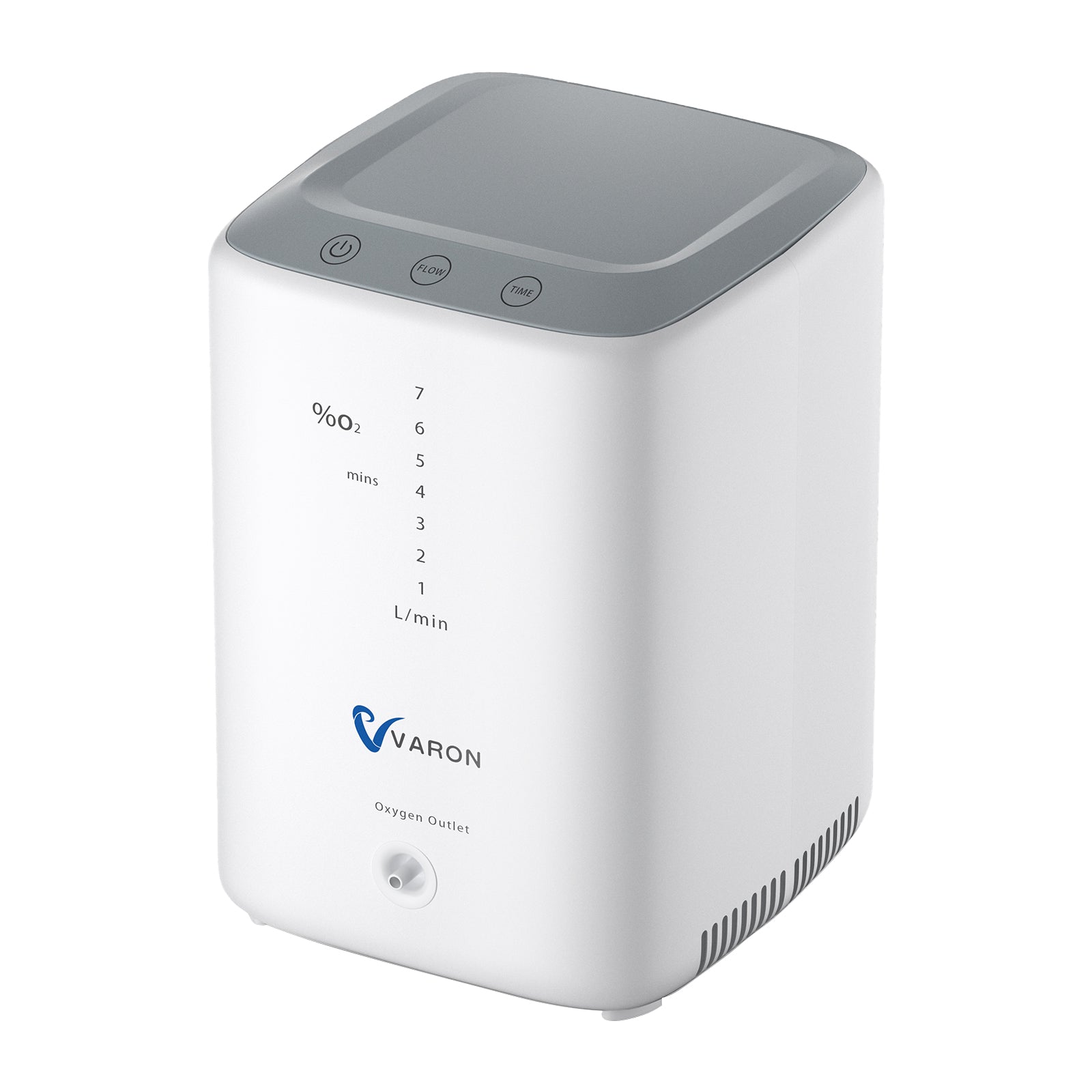
VARON VH-3 Home Oxygen Concentrator | 1-7 Comfortable Therapy
Why Sleep Matters for Your Respiratory System
Sleep is when your body repairs itself. During deep sleep, muscles recover, inflammation reduces, and organs perform important maintenance. Your respiratory muscles also benefit from this recovery period.
When sleep becomes shorter or poorer in quality, your breathing muscles may not recover as efficiently. This is why the relationship between sleep deprivation breathing and respiratory comfort should not be ignored.
Good rest and lung function work together to help you breathe comfortably throughout the day, even while performing everyday activities.
Your Body Needs Recovery Time
During sleep your body helps:
-
Repair muscle tissue
-
Regulate inflammation
-
Balance stress hormones
-
Restore energy reserves
-
Support immune function
Without enough recovery, the body works harder simply to complete normal daily tasks.
How Sleep Deprivation Can Affect Daytime Breathing
Many people assume breathing problems only happen during sleep. In reality, poor sleep can continue affecting breathing long after waking up.
Increased Fatigue in Breathing Muscles
The diaphragm and chest muscles work constantly. They never truly stop.
When someone experiences ongoing sleep deprivation breathing, these muscles may become less efficient because the body has not fully recovered overnight.
As a result, some people notice they become breathless more quickly while climbing stairs or walking longer distances.
Higher Levels of Inflammation
Poor sleep is linked with increased inflammation throughout the body.
Inflammation can worsen existing respiratory conditions, making proper rest and lung function even more important for those with chronic lung disease.
Although sleep alone does not cause respiratory illnesses, it may contribute to greater discomfort when symptoms already exist.
Reduced Physical Activity
People who feel exhausted often exercise less.
Less movement means reduced cardiovascular fitness, which may gradually affect endurance and breathing capacity.
Over time, this cycle can make sleep deprivation breathing feel even more noticeable during daytime activities.
Respiratory Conditions That May Be More Sensitive to Poor Sleep

Several respiratory illnesses can become more difficult to manage when sleep quality declines.
These include:
-
Asthma
-
COPD
-
Bronchitis
-
Pneumonia
-
Influenza
-
Lung cancer
-
Sleep apnoea
Patients living with these conditions already place greater demands on their respiratory systems. Supporting rest and lung function through healthy sleep habits becomes another important part of overall care.
Why Home Oxygen Therapy Can Improve Comfort
For people prescribed oxygen therapy by their healthcare professional, receiving treatment at home can make daily life much easier.
Home oxygen therapy allows patients to remain comfortable without unnecessary travel while continuing their prescribed respiratory support.
Many respiratory patients also mention that wearing protective masks during influenza season can make breathing feel stuffy. Healthy individuals sometimes notice this discomfort, so those living with COPD or similar lung diseases may experience it even more.
Portable and home oxygen therapy machines provide an added level of comfort by helping patients receive oxygen treatment in familiar surroundings.
Receiving treatment at home with a VARON machine is a comfortable way to manage respiratory diseases such as asthma, COPD, pneumonia, bronchitis, lung cancer, influenza, and sleep apnoea when oxygen therapy has been recommended by a healthcare professional.
Why the VARON VH-3 Home Oxygen Concentrator Stands Out

If you're looking for a reliable home oxygen therapy solution, the VARON VH-3 Home Oxygen Concentrator has been designed with comfort and convenience in mind.
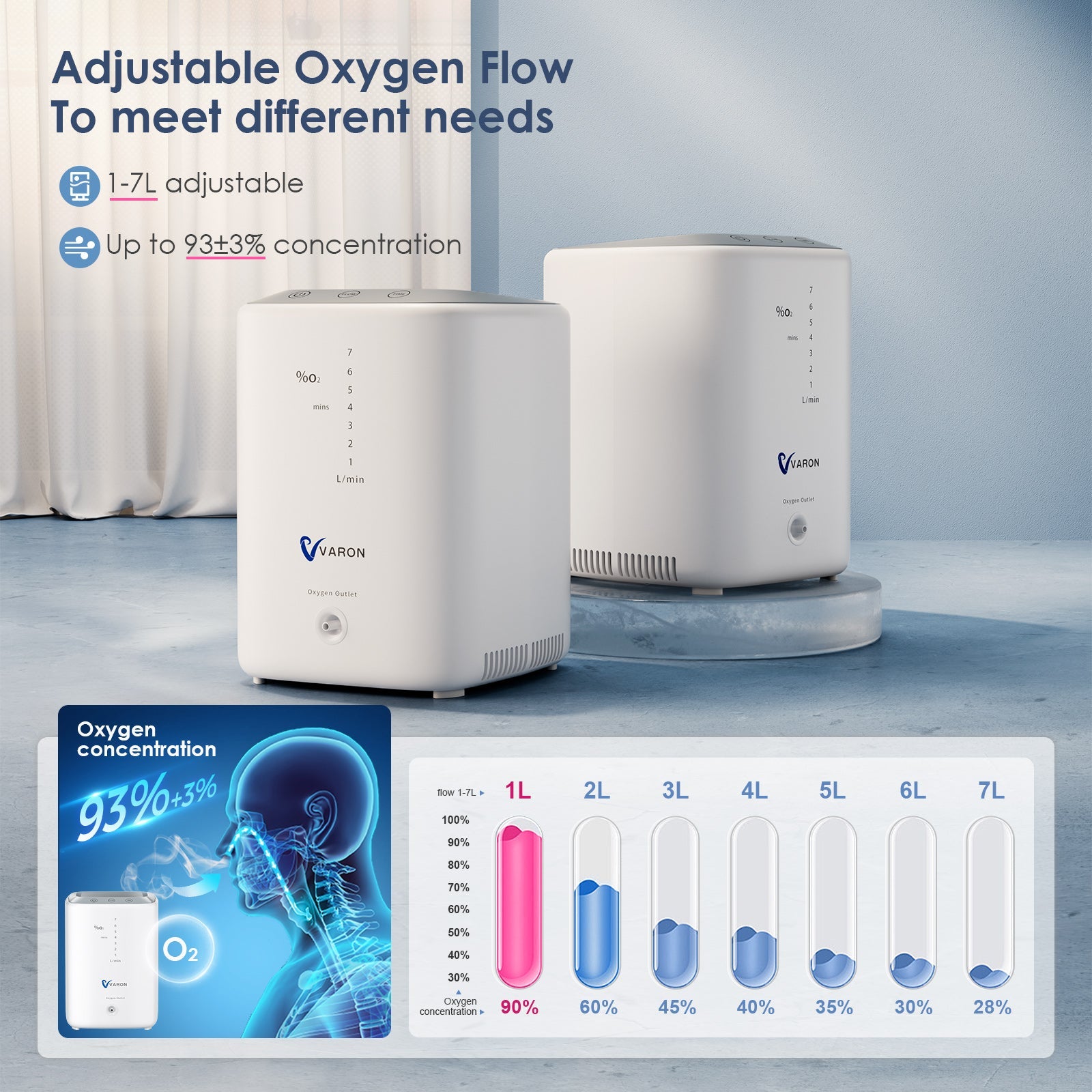
Adjustable Oxygen Flow
The VH-3 delivers adjustable continuous oxygen flow from 1–7 with oxygen concentration reaching up to 90%, allowing healthcare providers to recommend settings appropriate for individual needs.
This flexibility supports various oxygen therapy requirements while promoting better rest and lung function during prescribed treatment.
Built-In Nebuliser
Unlike many standard oxygen concentrators, the VH-3 includes an integrated nebuliser.
Users can receive oxygen therapy and nebuliser treatment simultaneously using the included atomisation kit, making respiratory care more convenient.
Quiet Operation
Operating at no more than 42 dB, the VH-3 remains remarkably quiet.
Its low noise level makes it suitable for use during sleep without creating unnecessary disturbance.
For people already dealing with sleep deprivation breathing, reducing additional sleep interruptions can be especially valuable.
Automatic Humidification
Dry oxygen may sometimes cause irritation.
The VH-3 automatically humidifies oxygen without requiring manual water refills, helping improve comfort during longer therapy sessions.
Advanced Filtration
Its 10-layer filtration system removes dust and impurities before oxygen reaches the user.
Clean oxygen supports safer and more comfortable respiratory care at home.
Lightweight Design
Weighing only 10.58 pounds, the VH-3 is easy to move between rooms or transport in a vehicle when needed.
Despite its compact size, it includes:
-
Sleep mode
-
Timer function
-
Hidden energy-saving display
-
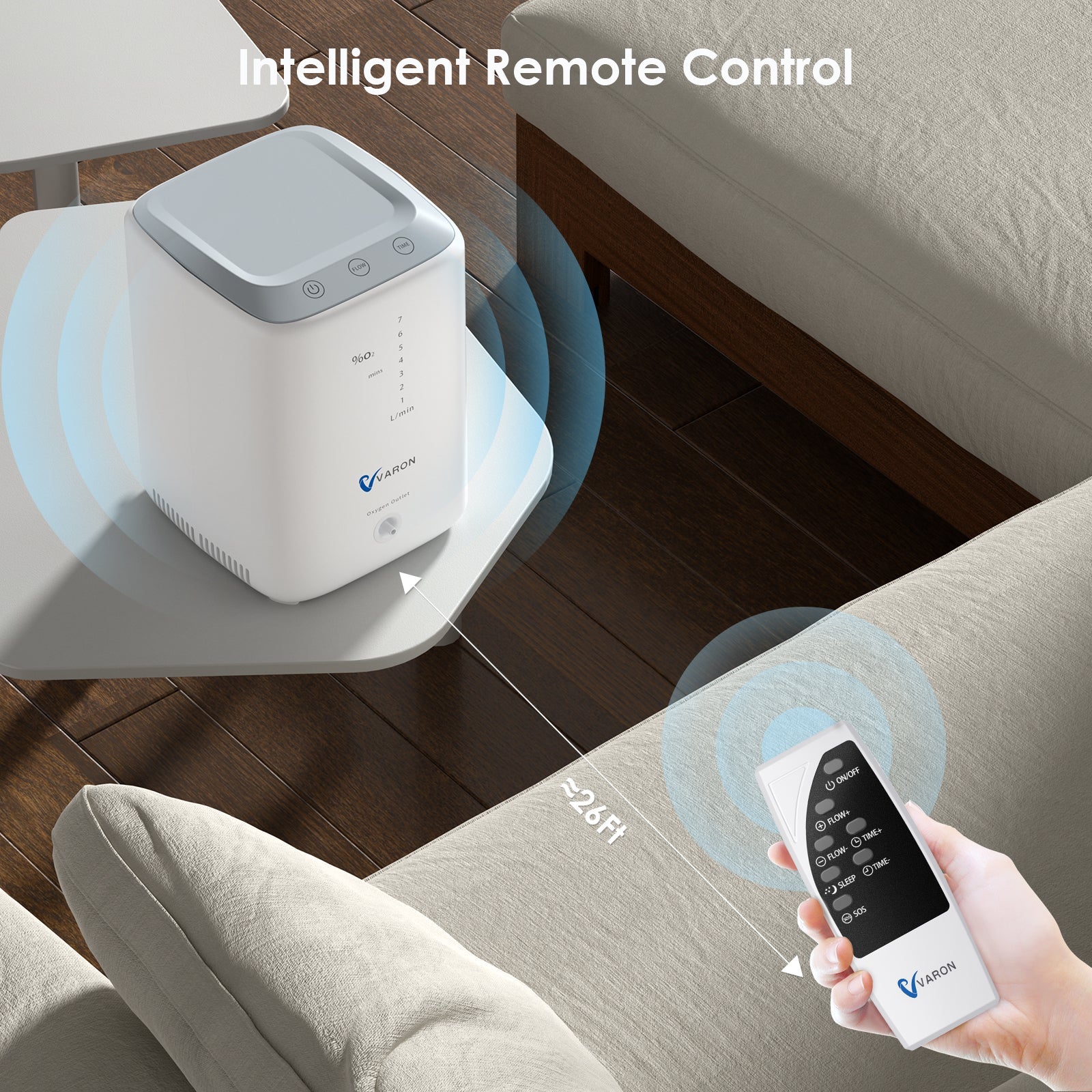
Infrared remote control
-
SOS function
-
Spare filter pad
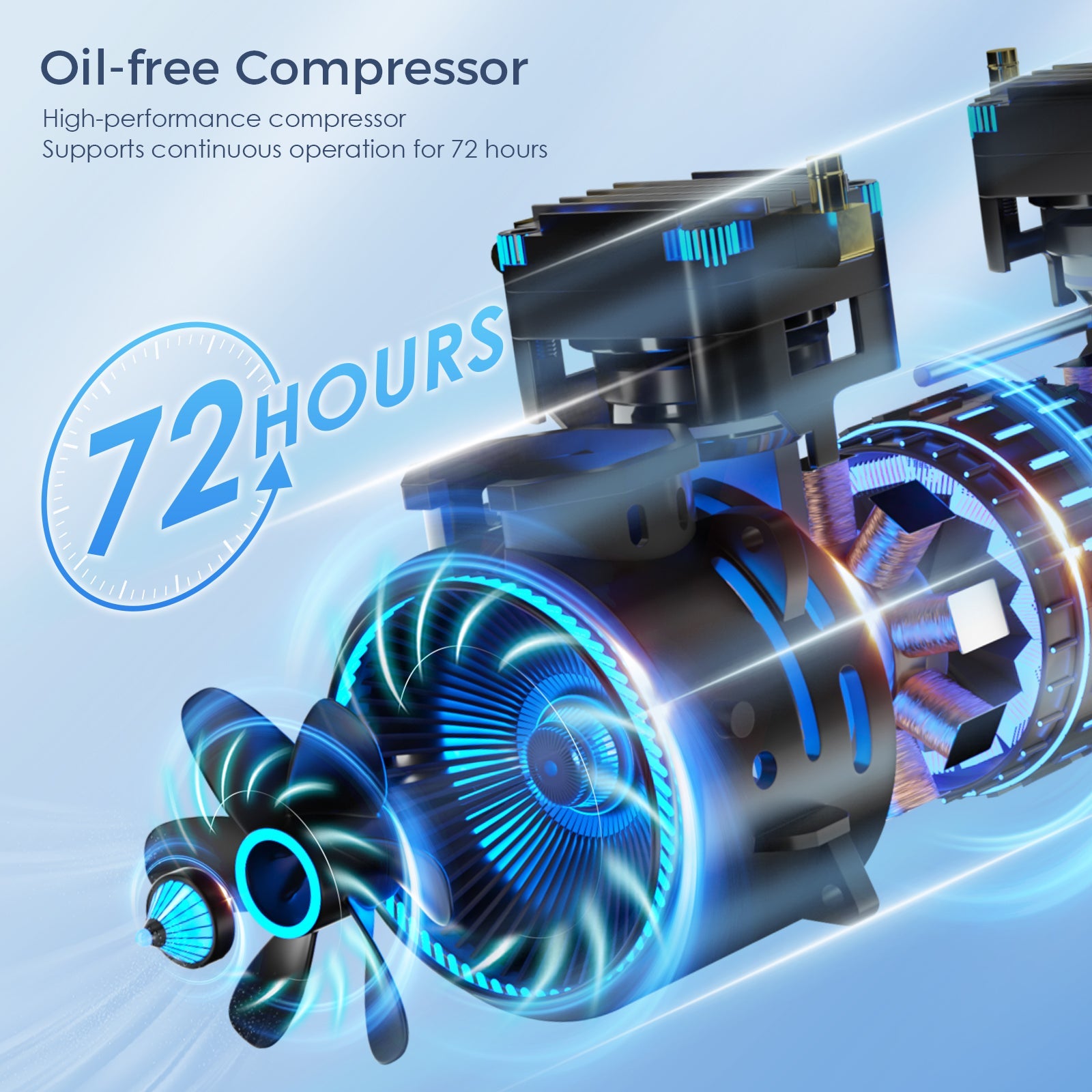
The pure copper oil-free compressor can also operate continuously for up to 72 hours while remaining energy efficient.
Suitable for Pet Oxygen Therapy
The VH-3 may also be used for pet oxygen therapy under veterinary guidance.
Many veterinarians recommend beginning around 1 L/min for cats and small dogs to meet oxygen needs while avoiding excessive airflow that could irritate delicate respiratory tissues.
Healthy Habits That Support Better Breathing
While medical treatment remains important, healthy daily habits can also support respiratory wellness.
Try to:
-
Maintain a regular bedtime.
-
Keep your bedroom cool and quiet.
-
Limit caffeine later in the day.
-
Stay physically active.
-
Drink enough water.
-
Avoid smoking.
-
Follow your prescribed respiratory treatment plan.
These habits help improve both sleep deprivation breathing concerns and rest and lung function over time.
Maintaining Your Oxygen Concentrator
Keeping equipment clean helps maintain reliable performance.
Recommended maintenance includes:
-
Replace the air intake filter after approximately 100–200 hours or sooner if dirty.
-
Clean the oxygen inhaler head about once each week.
-
Clean the nasal cannula after every use.
-
Replace the nasal cannula every two months with daily use, or every three to six months with occasional use.
-
Clean the machine's filter monthly to help extend its lifespan.
Following these simple steps helps ensure the VH-3 continues delivering effective oxygen therapy.
Key Takeaways
-
Poor sleep may indirectly make breathing feel more difficult during the day.
-
Healthy rest and lung function support better energy, stronger respiratory muscles, and improved oxygen use.
-
People with asthma, COPD, bronchitis, pneumonia, lung cancer, influenza, or sleep apnoea may notice greater discomfort when they do not sleep well.
-
Home oxygen therapy can provide comfort for eligible patients under medical advice.
-
The VARON VH-3 Home Oxygen Concentrator offers adjustable 1–7 oxygen flow, up to 90% oxygen concentration, an integrated nebuliser, quiet 42 dB operation, and automatic humidification for comfortable home respiratory care.
-
Receiving treatment at home with a VARON oxygen concentrator offers a more comfortable way to manage respiratory diseases while remaining in familiar surroundings.
-
Use discount code VARON10 for exclusive savings when purchasing eligible VARON products.
Conclusion
The relationship between sleep deprivation breathing and daytime respiratory comfort is stronger than many people realise. Poor sleep affects recovery, inflammation, energy, and muscle performance, all of which can influence how comfortably you breathe throughout the day.
Protecting rest and lung function should be part of every respiratory wellness routine, especially for people living with asthma, COPD, bronchitis, pneumonia, influenza, lung cancer, or sleep apnoea. When oxygen therapy is prescribed, receiving treatment at home with the VARON VH-3 Home Oxygen Concentrator offers a quiet, lightweight, and comfortable solution with adjustable 1–7 oxygen flow, up to 90% oxygen concentration, automatic humidification, an integrated nebuliser, and advanced filtration.
If you're ready to improve your home respiratory care, Shop Now and experience the comfort of the VARON VH-3. Discover More about its advanced features and remember to use discount code VARON10 for exclusive savings on your purchase.


