



Autumn Sleep: Better Breathing on Cool Nights
£10 Off
Enjoy special offer
CODE: VARON10
COPY
CODE
CODE
Autumn brings crisp evening air, but it also signals a noticeable shift in indoor environments. As outdoor temperatures drop, central heating systems kick on, dramatically drying out bedroom air. Navigating these changes requires adjusting your autumn sleep breathing habits to maintain overnight comfort. If you use supplemental oxygen, updating your oxygen therapy sleep routine helps protect delicate airways from dry air and ensures consistent, peaceful rest.
How Autumn Environmental Changes Impact Nighttime Breathing
When cool outdoor air enters a home and gets warmed by central heating, its relative humidity drops significantly. Clinical guidance from the European Lung Foundation indicates that ideal indoor humidity for respiratory health sits between 40% and 60%. Heating equipment often forces humidity well below 30%, stripping essential moisture from nasal passages and upper airways.
Dry air causes local airway inflammation, increasing nasal resistance and triggering nighttime coughing or dry throat discomfort. Maintaining optimal indoor moisture helps preserve mucosal barriers, making overnight respiration smoother during seasonal shifts.
Sensitive Groups Facing Seasonal Sleep Disruptions

While dry indoor air affects almost everyone, specific groups face distinct challenges when bedrooms become artificially warm and dry.
-
Supplemental Oxygen Users: Unhumidified continuous oxygen flow directly dries sensitive nasal tissue faster than standard room air.
-
Individuals with Pre-existing Respiratory Needs: Dry conditions aggravate reactive airways, increasing nocturnal restlessness.
-
Seniors: Natural airway secretions decline with age, making upper airways more prone to autumn irritation.
Recognizing these factors enables individuals and caregivers to adjust sleeping environments before sleep quality suffers.
Practical Steps to Protect Nighttime Respiratory Comfort
Simple environmental adjustments make a substantial difference in overnight breathing ease.
Optimize Bedroom Humidity and Temperature
Set bedroom thermostats to 16–19°C and use extra blankets for warmth. Lower temperatures help preserve relative humidity. Running a cool-mist humidifier restores room air moisture, preventing dry throats.
Minimize Airborne Allergens
Inspect and replace furnace filters before heating season starts. Vacuum bedroom rugs and wash linens weekly in warm water to clear dust mites and seasonal allergens trapped by closed windows.
Support Upper Airway Hydration
Maintain steady daily fluid intake so your body enters rest fully hydrated. A non-petroleum saline nasal spray before bed soothes dry passages naturally without degrading oxygen equipment.
Adapting Your Oxygen Therapy Sleep Routine for Autumn

Upgrading your oxygen therapy sleep routine is essential when dry air threatens sleep quality. Integrating humidification directly into home therapy equipment restores balance, eliminating dry nose and respiratory discomfort.
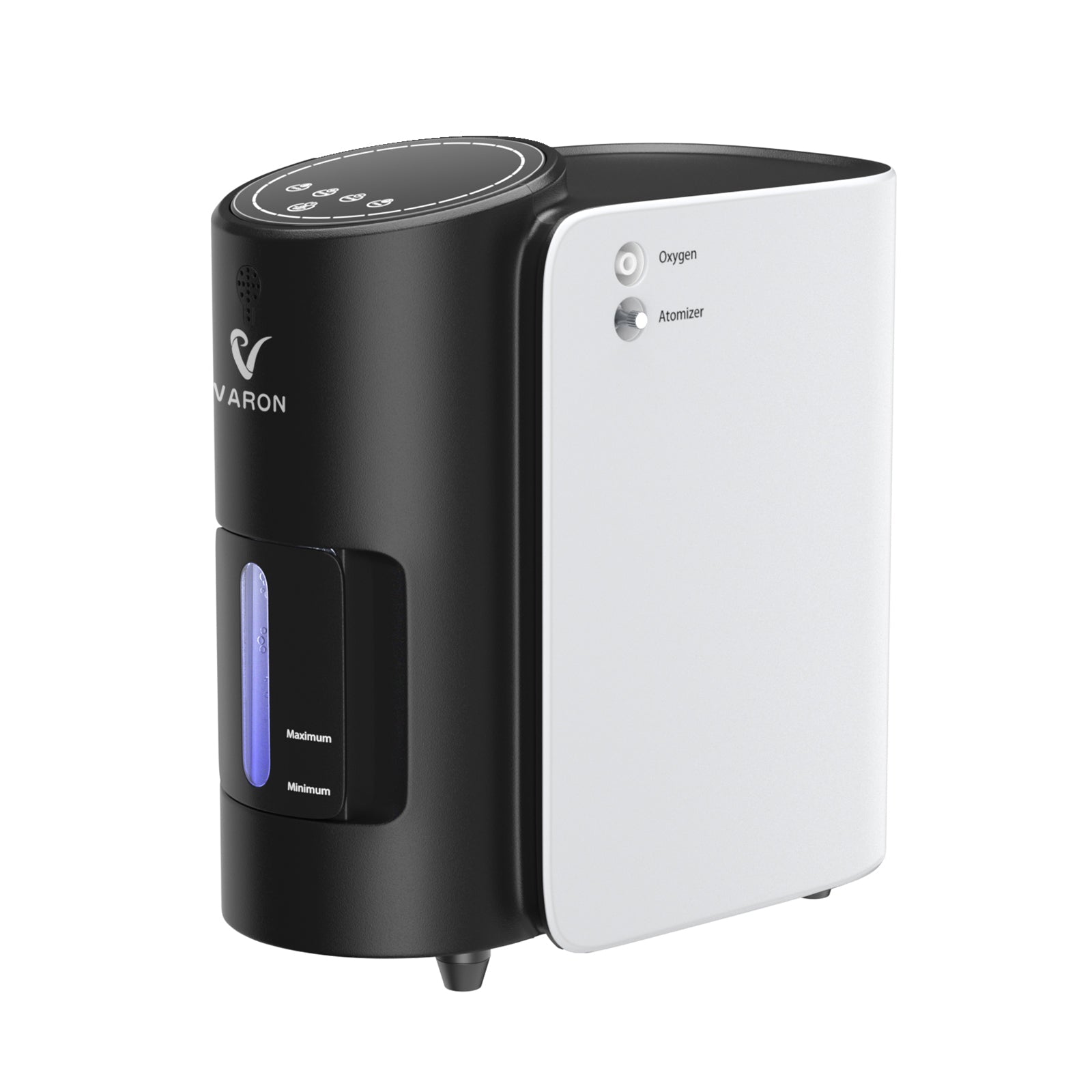
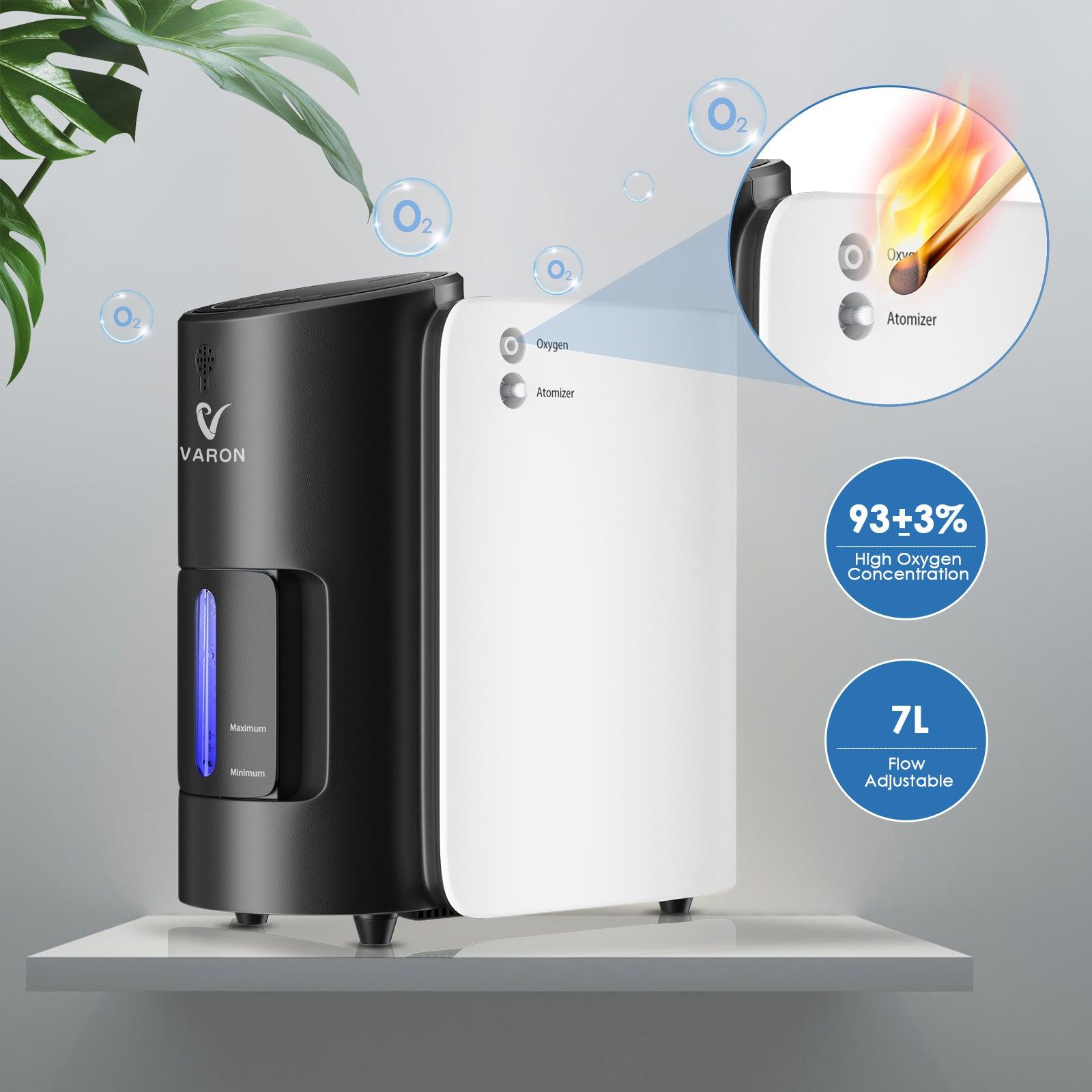
A reliable stationary system can transform overnight comfort. The VARON VH-1 Home Oxygen Concentrator is engineered for home use, providing high-concentration oxygen (up to 90%) with customizable flow rates from 1–7 L/min.
The VARON VH-1 features a built-in humidification function that adds crucial moisture to the oxygen stream, counteracting dry bedroom air. Operating quietly under 48 dB, it ensures an undisturbed sleeping climate. The device includes an integrated nebulizer function (atomization rate ≥0.2 mL/min), a clear LED display panel, and a wireless remote control for effortless operation from bed.
Key Specifications of the VARON VH-1
-
Dimensions: 128.4311.02 (LWH) Inches
-
Weight: 12 lbs
-
Rated Voltage: AC230V/50Hz; AC110V/60Hz
-
Output Power: 150W
-
Oxygen Concentration: 35%-90%
-
Oxygen Flow: 1~7 L/min
-
Atomization Rate: ≥0.2 mL/min
-
Working Sound: ≤48 dB(A)
-
Electrical Classification: Class II
-
Operating Mode: Continuous
For households with pets, the VH-1 also supports pet oxygen support (commonly starting at a 1 L/min flow rate under veterinary advice).
Equipment Maintenance for Optimal Performance
Maintaining clean equipment prevents dust buildup and ensures efficient continuous delivery through cold seasons.
-
Air Intake Filter: The intake filter cotton is non-washable. Replace it every 100–200 hours of use, or immediately if visibly soiled. Clean outer filters monthly.
-
Oxygen Inhaler Head: Wash weekly using mild soap and warm water.
-
Nasal Cannula: Clean after each use. Replace every two months for daily use, or every three to six months for intermittent use.
-
Unit Vents: Wipe around exterior vents regularly to keep air intakes clear.
When Supplemental Oxygen Therapy May Be Needed
Supplemental oxygen therapy is a supportive medical option for individuals unable to maintain sufficient blood oxygen levels independently. Healthcare professionals assess requirements using pulse oximetry or blood gas measurements.
According to healthcare guidelines from the NHS Home Oxygen Therapy Services, home oxygen therapy supports individuals managing chronic conditions such as COPD, severe asthma, or heart failure. While concentrators do not cure underlying lung conditions, they provide necessary daily support and ease breathlessness at home.
Key Takeaways
-
Cool weather and indoor heating reduce relative bedroom humidity below optimal levels, causing respiratory dryness.
-
Adjusting bedroom temperatures to 16–19°C supports comfortable autumn sleep breathing.
-
Adding humidification to your oxygen therapy sleep routine protects sensitive nasal tissue from warm, dry room air.
-
Replacing intake filter cotton every 100–200 hours maintains optimal oxygen concentrator performance.
-
Supplemental oxygen devices provide supportive relief and should always be operated according to professional medical guidance.
Frequently Asked Questions
Why does indoor heating affect my autumn sleep breathing?
Central heating dries bedroom air below recommended 40–60% humidity levels, evaporating mucosal moisture and causing airway irritation, coughing, and nocturnal congestion.
How does dry air impact an oxygen therapy sleep routine?
Unheated dry oxygen combined with low room humidity rapidly dries nasal passages, leading to soreness or sleep disruption unless humidification is added.
Can I use a humidifier alongside my home oxygen concentrator?
Yes, using room humidifiers or a concentrator's built-in humidification feature effectively restores moisture, ensuring comfortable overnight breathing.
How often should home oxygen intake filters be replaced?
Non-washable intake filter cotton must be replaced after 100–200 hours of use, or sooner if dirty, to maintain proper filtration.
Does a home oxygen concentrator replace professional medical care?
No, oxygen concentrators provide supportive supplemental oxygen to aid daily breathing comfort under professional medical oversight and do not cure underlying conditions.
Properly adjusting your autumn sleep breathing habits as cool nights set in makes a world of difference for your overall rest, airway comfort, and well-being. By managing indoor bedroom humidity, reducing airborne autumn dust, and fine-tuning your oxygen therapy sleep routine with built-in humidification, you can easily protect delicate nasal passages from the harsh effects of central heating. Home support devices like the VARON VH-1 offer reliable, quiet, and moisture-rich oxygen delivery, ensuring you remain comfortable and rested all season long.


