



October Breathing: Preparing for Cold and Flu Season
CODE
October brings cooler days, shorter evenings and the start of the UK’s winter health preparations. For people who use prescribed oxygen, planning ahead can make everyday routines easier and help them feel more prepared for changing weather. Good flu season breathing habits and careful autumn oxygen preparation start with a few practical steps.
Cold air, seasonal infections and spending more time indoors can create extra challenges for people with ongoing breathing difficulties. This guide explains how to prepare, what caregivers should check and how to keep oxygen equipment ready when the temperature drops.
How can colder weather affect breathing?
Cold, dry air can irritate the airways and make coughing or breathlessness more noticeable for some people. Older adults and people with long-term breathing or heart conditions may be more vulnerable to cold weather and winter infections. Asthma + Lung UK explains how cold weather can affect breathing.
Good flu season breathing preparation means recognising personal triggers, dressing warmly and following professional advice before symptoms become harder to manage. For example, someone who feels uncomfortable walking outside on a cold morning could cover their nose and mouth with a loose scarf, dress in layers and avoid rushing.
What should oxygen users prepare in October?

A simple checklist makes autumn oxygen preparation less stressful for both oxygen users and caregivers. Rather than waiting for a cold spell or an illness, check these essentials early.
1. Review your oxygen plan
Make sure you understand the instructions provided by your healthcare professional, including when and how to use your equipment. Do not change oxygen settings yourself because the weather has changed or you feel more breathless.
For flu season breathing, keep your care plan and important contact details somewhere easy to find. A family member should know where these are kept, especially if they help with daily care.
2. Check supplies and equipment
Inspect your concentrator, power cable, tubing, nasal cannula and other required accessories. Look for visible damage, loose connections or unusual sounds, and follow the manufacturer's cleaning and maintenance instructions.
A key part of autumn oxygen preparation is knowing whom to contact if equipment stops working. Keep your supplier's details accessible and ask your healthcare team about an appropriate backup plan in case of a power cut or equipment fault.
3. Prepare for colder days outdoors
If your prescribed oxygen routine includes suitable outdoor activities, check the weather and plan your route before leaving. Wear warm layers, comfortable footwear and clothing that does not pull on your tubing or block equipment vents.
These small steps support flu season breathing by making cold-weather outings easier to plan. Keep your equipment within its specified operating conditions, and check its manual for advice about cold temperatures, moisture and storage.
How can you reduce the risk of catching flu?
Flu spreads easily, particularly when people spend more time together indoors. The NHS recommends regular handwashing, covering coughs and sneezes with a tissue, disposing of used tissues promptly and limiting contact with others when unwell.
For flu season breathing, check whether you or the person you care for is eligible for the annual flu vaccination. The NHS offers vaccination to eligible groups, including many older adults and people with certain long-term health conditions. Read the NHS flu vaccination guidance or ask a GP or pharmacist if you are unsure.
At home or during visits, keep rooms comfortably warm and ventilate briefly when practical, without making the space uncomfortably cold. If someone has flu-like symptoms, postpone non-essential visits and follow current NHS advice.
What should caregivers include in an autumn checklist?
Caregivers can make autumn oxygen preparation easier by helping with small tasks before they become urgent. A shared checklist can include:
-
Confirming that prescribed medicines and supplies are available.
-
Checking the concentrator and accessories for visible damage.
-
Keeping the oxygen plan and supplier contact details accessible.
-
Planning meals, shopping and transport during poor weather.
-
Knowing who can help if the user becomes unwell or cannot go out.
-
Checking that the user understands when to seek professional help.
For example, an adult child who supports an older parent could check the equipment together at the start of October and agree who to call if a warning appears. This makes autumn oxygen preparation a shared routine rather than a last-minute task.
How can a portable oxygen concentrator support daily routines?

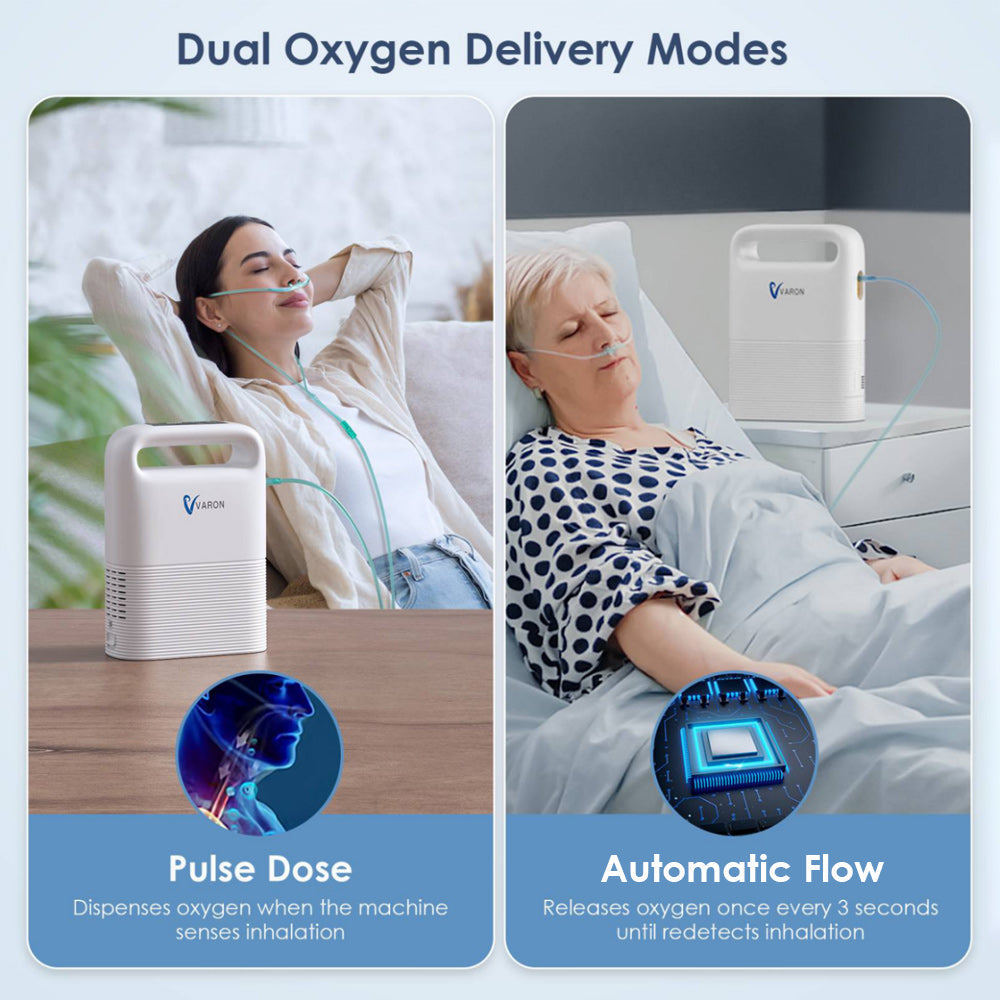
For people who have been prescribed oxygen and need a portable option, equipment weight, battery arrangements and ease of use may matter when planning everyday activities. A portable concentrator can support access to prescribed oxygen away from a fixed setup, provided the device is suitable for the individual's requirements.
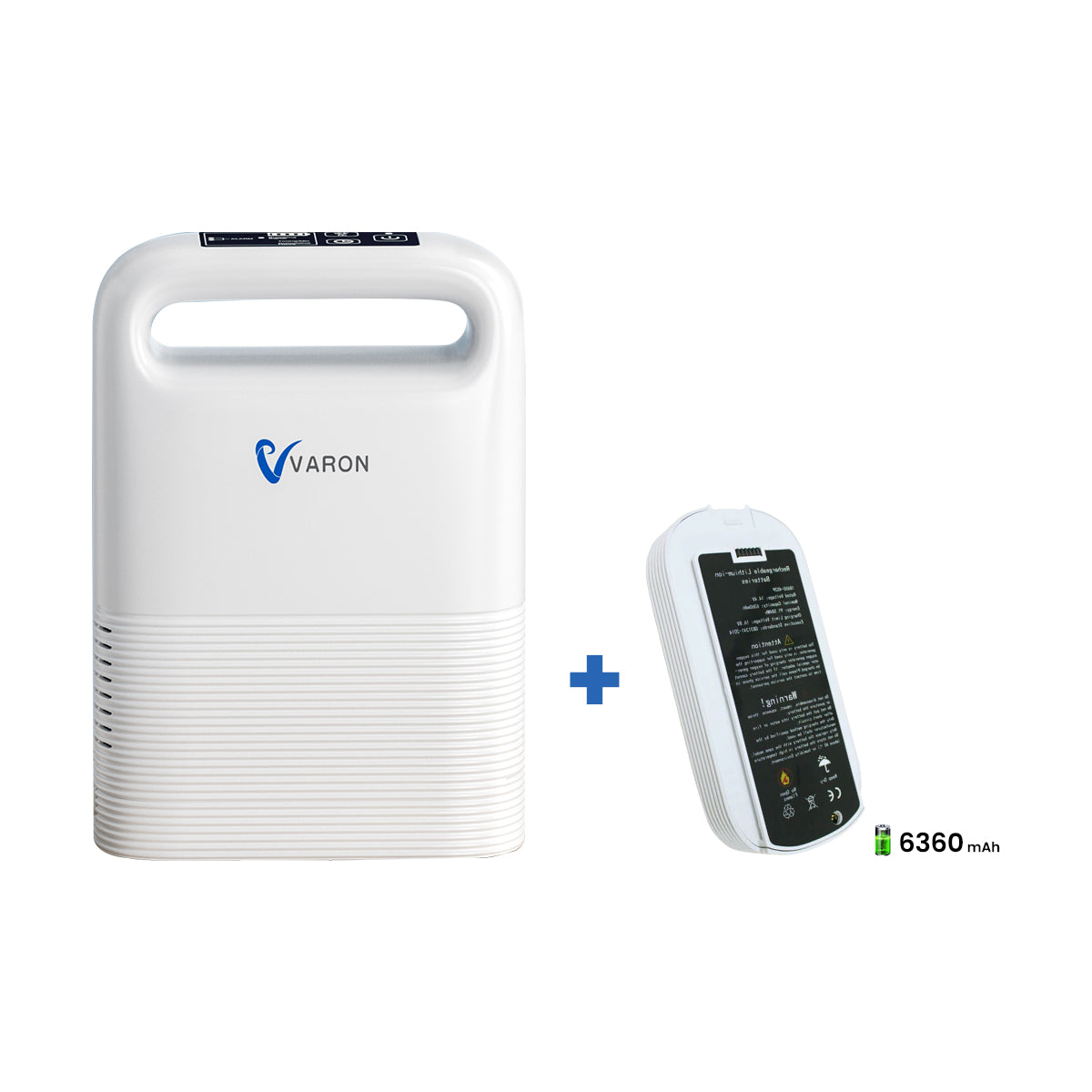
The VARON VP-2 Portable Oxygen Concentrator offers adjustable settings from 1 to 5, pulse-flow delivery and a replaceable 92 Wh, 6400 mAh battery. Its listed oxygen concentration is 93% ±3%, its weight is 4.85 lb, and its dimensions are 7.2 × 3.6 × 10.1 inches.
The battery life is listed as approximately 3.5 hours at the 1 L setting, so users should plan around their actual prescribed setting and expected time away. The device also has a sensor mode and an auto mode that releases oxygen every three seconds when breathing is too mild for the sensor to detect, according to the supplied product information.
During autumn oxygen preparation, read the device manual, check the battery before leaving and understand the limits of the equipment. The car power cable powers the unit but does not charge the battery; the manual also says to start the vehicle and let the engine stabilise before connecting the cable.
The VP-2 is not suitable for everyone, and its settings should not be chosen based on a blog article. Ask your healthcare professional whether a portable pulse-flow device meets your prescribed oxygen needs.
When should you seek medical help?

Do not assume that worsening breathlessness is simply caused by cold weather or flu. Contact your GP or NHS 111 for advice if you are concerned about symptoms or if an existing condition is getting worse.
Call 999 if someone is struggling to breathe, cannot speak normally because of breathlessness, becomes unresponsive or appears to be experiencing a life-threatening emergency. An oxygen concentrator does not replace emergency medical care.
Planning ahead supports flu season breathing, but knowing when to ask for help is just as important. Keep emergency contacts accessible and make sure family members understand the person's care plan.
Key Takeaways
-
Start autumn oxygen preparation in October, before colder weather becomes more difficult to manage.
-
Follow your prescribed oxygen plan and never adjust settings without professional advice.
-
Check equipment, supplies, battery arrangements and supplier contact details.
-
Reduce the spread of flu through handwashing, good cough etiquette and vaccination if eligible.
-
Make flu season breathing preparation a shared task for users and caregivers.
-
Seek prompt medical advice for worsening symptoms and call 999 for an emergency.
Conclusion
Thoughtful autumn oxygen preparation can make the colder months feel more manageable. Keep equipment maintained, plan outings carefully, follow your prescribed oxygen routine and take sensible steps to reduce the spread of flu. These practical habits support flu season breathing without replacing individual healthcare advice.
If a portable option is part of your care plan, review the VARON VP-2 specifications and manual with your healthcare professional to make sure its pulse-flow delivery and battery arrangements fit your needs. Start your autumn oxygen preparation checklist today, so you and your caregiver can approach the season with a clearer plan for flu season breathing.
Take the next step: check your equipment, review your care plan and contact your healthcare team if you have questions about oxygen use this winter.
Frequently Asked Questions
How can oxygen users prepare for flu season?
Check equipment and supplies, review your care plan, keep contact details nearby and ask your healthcare professional about vaccination eligibility.
Can cold weather make breathing more difficult?
Yes. Cold, dry air can irritate the airways and make breathing symptoms worse for some people, particularly those with existing breathing conditions.
Should I change my oxygen setting when the weather gets colder?
No. Follow your prescribed settings and ask your healthcare professional for advice if your needs or symptoms change.
What should caregivers check on an oxygen concentrator?
They should check for visible damage, inspect cables and accessories, follow the manufacturer's maintenance instructions and know how to contact the equipment supplier.
When should I seek urgent help for breathing difficulties?
Contact your GP or NHS 111 for concerning or worsening symptoms. Call 999 if someone is struggling to breathe, cannot speak normally because of breathlessness or becomes unresponsive.


