



Bank Holiday Travel: Your Oxygen Therapy Packing Checklist
CODE
A bank holiday weekend is a great opportunity to get out, visit family or take a longer UK road trip. If you use portable oxygen therapy, though, travelling comfortably takes a little more preparation. This bank holiday travel oxygen guide covers the practical essentials, from power supplies and spare batteries to securing your equipment during a road trip. These oxygen concentrator travel tips can help you prepare without turning your weekend plans into a complicated exercise.
Good bank holiday travel oxygen planning starts before you leave. Check your oxygen equipment, battery level, power options and travel arrangements in advance. The following oxygen concentrator travel tips are designed to help you think through those details, while your prescribed oxygen requirements should always remain the priority. With sensible bank holiday travel oxygen preparation, you can focus more on enjoying your destination and less on wondering whether you have packed everything you need.
What to Check Before Your Bank Holiday Journey
Bank holiday roads can be unpredictable. Traffic queues, diversions and unexpected stops can turn a planned two-hour drive into a much longer journey.
If you use portable oxygen, allow extra time and make sure your equipment can support the journey. The NHS recommends discussing travel arrangements with your oxygen supplier and healthcare team in advance when oxygen is part of your treatment plan.
Before setting off, check:
-
Your prescribed oxygen flow setting
-
Your concentrator's battery level
-
Available spare batteries or approved backup power
-
Your AC and DC power options
-
Tubing and nasal cannula
-
Filters and other replaceable components
-
Your oxygen supplier's contact information
-
Your accommodation and destination arrangements
-
Whether your vehicle can safely accommodate the equipment
Do not change your prescribed oxygen setting simply because you are travelling. If your oxygen needs have changed, speak with your healthcare professional first.
Your Portable Oxygen Packing Checklist
The concentrator itself is only one part of your travel preparation. Think about everything you might need if the journey takes longer than expected.
Check Your Oxygen Equipment
Inspect your portable oxygen concentrator before leaving. Make sure the tubing is in good condition and that the nasal cannula is clean and ready to use.
It is much easier to replace a worn or dirty component before leaving home than to discover a problem halfway through a bank holiday journey.
Fully Charge Your Battery
Start your journey with a fully charged battery.
Do not plan around the maximum battery duration alone. Traffic, diversions, service-station stops and other delays can extend your journey, so having an appropriate backup power arrangement can provide valuable peace of mind.
Bring Backup Power
If your portable concentrator uses a replaceable battery, consider whether an additional approved battery would be useful for your journey.
A spare battery is particularly worth considering when you expect to spend several hours away from a reliable mains power source. Make sure you understand how to change the battery and how long your equipment normally operates at your prescribed setting.
For longer journeys, discuss your power requirements with your oxygen supplier before travelling.
Preparing Your Portable Oxygen Concentrator for a UK Trip
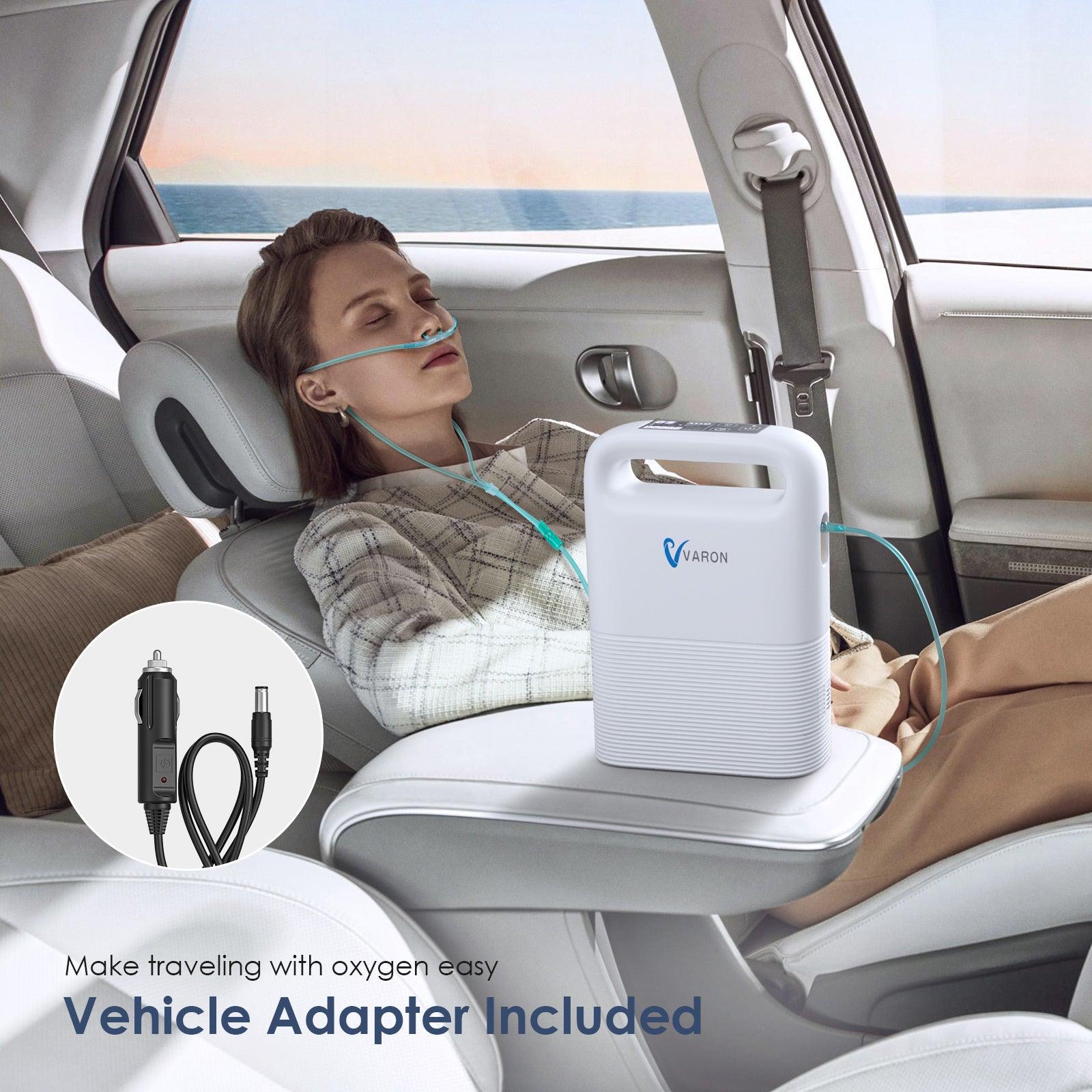
A road trip requires more than simply putting your concentrator in the car.
Asthma + Lung UK advises oxygen users to secure their equipment during car journeys, take enough oxygen to allow for unexpected delays and avoid leaving oxygen equipment in a hot vehicle. It also recommends checking with your oxygen supplier that your particular equipment is suitable for use during car travel.
Keep your concentrator secure so that it cannot slide around or become damaged when the vehicle moves. Avoid placing it where luggage could fall onto it or where ventilation openings could become blocked.
Heat is another important consideration. Never leave your oxygen equipment sitting in a hot, unattended vehicle, particularly during warmer bank holiday weather.
If oxygen needs to be used during a journey, follow the instructions provided for your equipment and the guidance of your healthcare team. NHS-linked guidance recommends stopping the vehicle and switching the engine off before using oxygen inside the car.
Planning regular stops can also make a long journey easier. Use breaks to stretch, check your equipment and make sure your battery and supplies are still sufficient for the remaining drive.
Plan for Traffic and Unexpected Delays
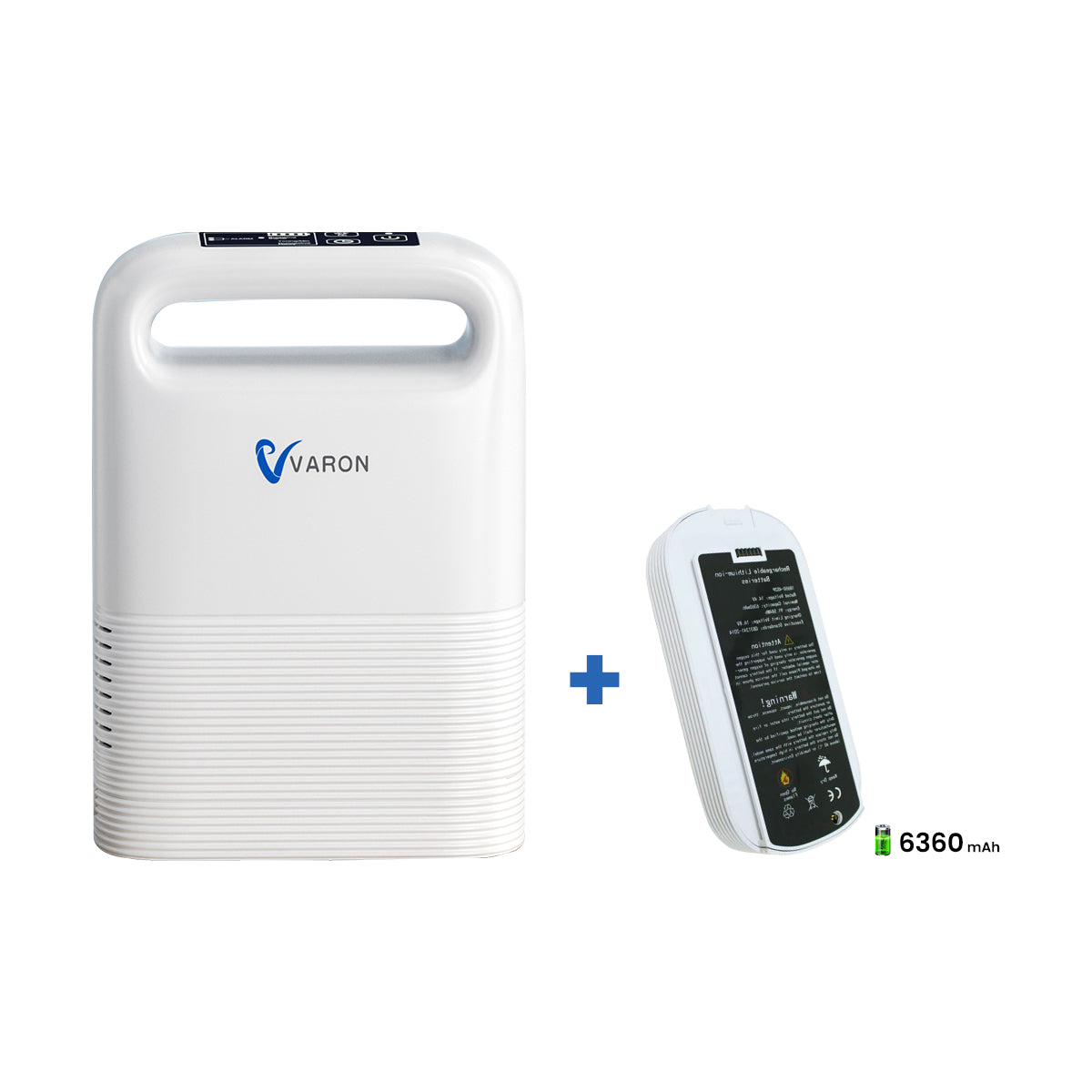
Extra Replaceable Lithiumion Battery Oxygen Concentrator Accessories VP-2
Bank holiday traffic is one of the biggest reasons to build extra time into your oxygen arrangements.
If your journey normally takes two hours, do not assume it will always take exactly two hours on a bank holiday weekend. A serious traffic jam or road closure can add considerable time.
This is where sensible oxygen concentrator travel tips become particularly useful. Know how much battery life you have, where you can stop for a break and what your backup power options are before you start driving.
If your route includes motorways, consider identifying suitable service stations in advance. This gives you planned opportunities to take a break and check your equipment rather than relying on finding somewhere suitable at the last moment.
Keeping Portable Oxygen Safe During Your Trip
Oxygen supports prescribed treatment, but it also requires careful fire safety.
Do not smoke or vape near oxygen equipment. Keep your concentrator and oxygen accessories away from flames, cigarettes, gas cookers, heaters and other sources of heat. NHS guidance also recommends keeping oxygen away from flammable products.
Avoid oil-based products such as petroleum jelly around oxygen equipment unless a healthcare professional has specifically advised that they are appropriate.
Pay attention to your tubing as well. Whether you are staying in a hotel, visiting relatives or spending the weekend in a holiday cottage, keep the tubing positioned safely to reduce the risk of tripping.
VARON VP-2: A Practical Option for Portable Oxygen Therapy

For people who have been prescribed portable oxygen therapy, the equipment itself can make a difference to how manageable a journey feels.
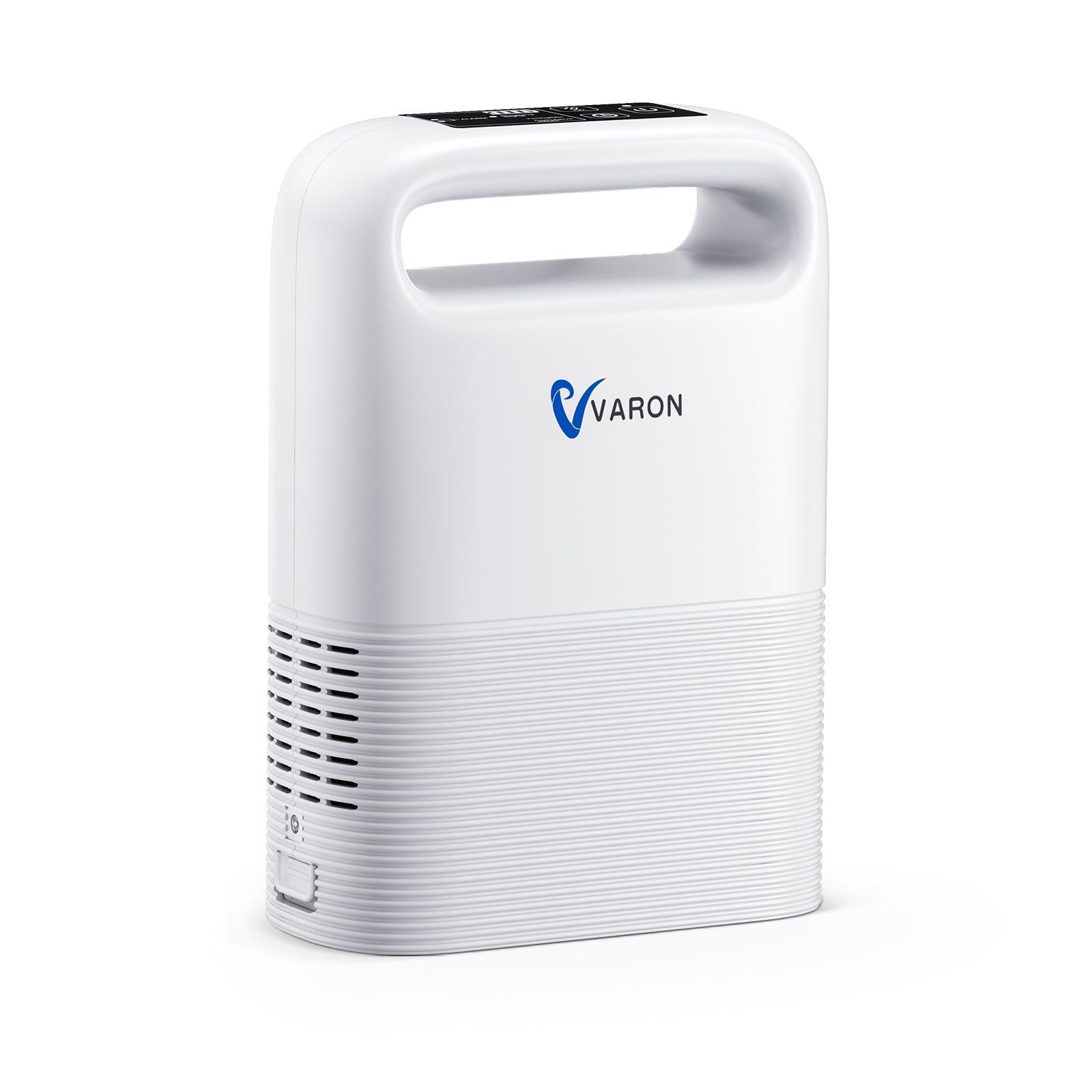
The VARON VP-2 Portable Oxygen Concentrator provides adjustable pulse-flow oxygen from 1–5, with an oxygen concentration of 93% ± 3%. It weighs 4.85 lb and measures 7.2 × 3.6 × 10.1 inches, giving travellers a compact option when planning their oxygen equipment.
The VP-2 uses two oxygen delivery modes. Sensor Mode detects inhalation and delivers oxygen accordingly, while Auto Mode releases oxygen every three seconds when breathing is too mild for the sensor to detect.
For power planning, the VP-2 has a replaceable 92Wh/6400mAh battery and a stated battery life of 3.5 hours at 1 L. Spare batteries are available separately, which can be useful when planning for journeys where access to mains electricity may be limited.
The device supports DC 12–16.8V and AC 100–240V, 50/60Hz power. It also has a large LED panel, an adjustable 1–240-minute automatic shutdown timer, and a noise level of ≤58dB(A).
| Specification | VARON VP-2 |
|---|---|
| Oxygen flow | 1–5 adjustable |
| Oxygen concentration | 93% ± 3% |
| Battery | Replaceable, 92Wh/6400mAh |
| Battery life | 3.5 hours at 1 L |
| Weight | 4.85 lb |
| Dimensions | 7.2 × 3.6 × 10.1 inches |
| Noise | ≤58dB(A) |
| Electrical classification | Class II |
| Power supply | DC 12–16.8V; AC 100–240V, 50/60Hz |
| Automatic shutdown timer | 1–240 minutes |
One detail is particularly important for anyone planning a UK road trip: the VP-2 car power cable powers the device but does not charge its battery.
VARON also advises starting the vehicle engine and allowing it to stabilise before connecting the device to the car's cigarette-lighter socket. This should be incorporated into your normal travel routine rather than treated as an afterthought.
The VP-2's maintenance requirements are straightforward. Its intake filter cotton is not washable and should be replaced after every 100–200 hours of use, or immediately if it becomes dirty. VARON recommends cleaning the oxygen inhaler head approximately once a week and cleaning the nasal cannula after each use.
For a bank holiday journey, choose portable oxygen equipment based on your prescribed requirements, power needs and everyday comfort—not simply the number of features on the specification sheet.
A Quick Pre-Departure Checklist

Use this checklist before setting off:
-
Confirm your prescribed oxygen flow setting
-
Fully charge the concentrator battery
-
Check your backup battery arrangements
-
Inspect the tubing and nasal cannula
-
Check the intake filter
-
Pack necessary replacement supplies
-
Keep your oxygen supplier's contact details accessible
-
Secure the concentrator safely inside the vehicle
-
Plan for bank holiday traffic and delays
-
Identify suitable rest stops along your route
-
Keep oxygen equipment away from flames, smoking and heat
-
Never leave the concentrator in a hot unattended vehicle
-
Check your power arrangements before departure
-
Follow your healthcare team's instructions throughout the journey
Key Takeaways
Successful bank holiday travel oxygen planning is mostly about preparation. Check your battery, power options, equipment and supplies before leaving, and allow additional time for traffic and unexpected delays. The most useful oxygen concentrator travel tips are simple: start with a charged battery, understand your backup power options, secure your equipment and know how your concentrator should be powered in the vehicle.
For longer journeys, bank holiday travel oxygen arrangements should include a realistic contingency plan. A spare battery or suitable backup power option may be valuable when you cannot rely on immediate access to mains electricity.
Remember that oxygen concentrator travel tips are there to support safe planning, not to replace personalised advice. Your prescribed oxygen requirements should always guide how and when you use your equipment. With thoughtful bank holiday travel oxygen preparation, a UK road trip can feel far more manageable. Take a few minutes to check your equipment before leaving, then give yourself permission to enjoy the journey.
Prepare your portable oxygen equipment, plan for the unexpected and make comfort part of your bank holiday travel plans.
Frequently Asked Questions
How do I prepare my portable oxygen concentrator for a bank holiday trip?
Fully charge the battery, check your tubing and nasal cannula, inspect the filter, prepare suitable backup power and secure the concentrator safely in your vehicle. Also allow extra time for traffic and delays.
Can I use my portable oxygen concentrator in a car?
This depends on your specific equipment and the instructions supplied with it. Check with your oxygen supplier before travelling and follow the manufacturer's vehicle-use instructions. For the VARON VP-2, the car power cable powers the device but does not charge its battery.
How long will a portable oxygen concentrator battery last?
Battery life varies according to the device and operating setting. The VARON VP-2 has a stated battery life of 3.5 hours at 1 L and uses a replaceable 92Wh/6400mAh battery.
Should I take a spare battery on a road trip?
A spare approved battery can provide additional flexibility when you expect a long journey or limited access to mains electricity. Consider your planned journey time, expected delays and your equipment's actual battery performance.
What should I do if bank holiday traffic makes my journey much longer?
Do not wait until your battery is nearly depleted. Plan rest stops in advance, monitor your available power and use your approved backup arrangements. If you are concerned about managing your oxygen during a longer-than-planned journey, contact your oxygen supplier or healthcare team for advice.


