



Heating Season: Combating Dry Indoor Air at Home
CODE
When temperatures drop and the heating goes on, indoor air can start to feel uncomfortable. You may notice a dry throat, irritated skin or a stuffy bedroom, especially after spending several hours indoors. Understanding dry indoor air heating and its effects can help you create a more comfortable living environment.
The key to better home respiratory comfort is finding the right balance between warmth, moisture and fresh air. Using a humidifier when needed, ventilating rooms regularly and positioning household equipment correctly can make a noticeable difference. For people who use prescribed oxygen at home, keeping their equipment in a suitable location is equally important.
Why does indoor air become dry during the heating season?

Heating systems warm the air but do not necessarily add moisture to it. As the temperature rises, the relative humidity can fall, making the room feel drier even when no moisture has actually been removed.
This is why dry indoor air heating becomes a common concern during colder months. Keeping windows closed for long periods can also allow everyday indoor pollutants and excess moisture to build up.
How can dry indoor air affect everyday comfort?
Spending time in a poorly balanced indoor environment may contribute to:
-
A dry or uncomfortable throat.
-
Dry skin and chapped lips.
-
Irritation in the nose.
-
Disrupted sleep due to an uncomfortable bedroom.
-
A general feeling of stuffiness indoors.
People who already experience respiratory discomfort may be particularly sensitive to changes in their surroundings. Maintaining home respiratory comfort is therefore about more than simply turning up the heating.
How can you manage dry indoor air during winter?
You do not need to make major changes to improve your indoor environment. A few practical adjustments can help maintain a more comfortable balance.
1. Use a humidifier when necessary
A humidifier adds moisture to the air and may be useful when heating makes rooms feel excessively dry.
However, more moisture is not always better. Too much humidity can encourage condensation and mould growth, so use a hygrometer to monitor indoor conditions and follow the humidifier manufacturer's recommendations.
Clean the humidifier regularly, change its water as instructed and avoid allowing moisture to collect around windows, walls or furniture.
2. Ventilate your home regularly
Keeping every window closed throughout winter may seem like the easiest way to retain warmth, but fresh air is still important.
Open windows briefly when practical and safe, use kitchen and bathroom extractor fans, and keep trickle vents clear. These steps help remove cooking smells, excess moisture and other indoor pollutants.
The UK National Institute for Health and Care Excellence (NICE) recommends appropriate background and mechanical ventilation to help reduce dampness and condensation.
3. Keep your heating at a comfortable level
There is no need to make rooms excessively warm. Maintaining a reasonably consistent indoor temperature can help avoid uncomfortable changes throughout the day.
Also, avoid placing furniture directly against radiators or blocking ventilation openings. This helps warm air circulate more evenly around the room.
Where should you position an oxygen concentrator at home?

For people who have been prescribed oxygen support, equipment placement is an important part of maintaining home respiratory comfort.
A concentrator needs sufficient space around its air intake and outlets. Placing it in a cramped corner, inside a cabinet or directly beside a radiator can interfere with ventilation and equipment operation.
Choose a suitable location
When arranging your room, consider these practical points:
-
Place the concentrator on a stable, flat surface.
-
Keep air vents clear and follow the manufacturer's recommended clearance.
-
Choose a clean, dry and adequately ventilated area.
-
Keep the equipment away from radiators and other heat sources.
-
Avoid blocking walkways with oxygen tubing.
-
Keep the device away from open flames and smoking areas.
The NHS advises keeping home oxygen equipment at least three metres away from open flames and at least 1.5 metres from electrical appliances and heat sources. Always follow the safety instructions supplied with your particular equipment.
Avoid placing equipment beside a humidifier
Although humidifiers can help manage dry indoor conditions, they should not release moisture directly towards an oxygen concentrator.
Keep water and condensation away from electrical equipment. Follow both manufacturers' placement instructions and ensure that the surrounding area remains dry.
How can you maintain a comfortable bedroom?
The bedroom deserves particular attention because it is where many people spend several uninterrupted hours.
A few simple habits can help:
-
Check humidity levels rather than guessing whether the room is too dry.
-
Clean bedding and regularly remove household dust.
-
Ventilate the bedroom when conditions allow.
-
Avoid placing humidifiers too close to walls or electrical equipment.
-
Keep heating at a comfortable and consistent level.
These small adjustments can support home respiratory comfort without making your daily routine complicated.
How does VARON Serene 5 fit into a comfortable home environment?
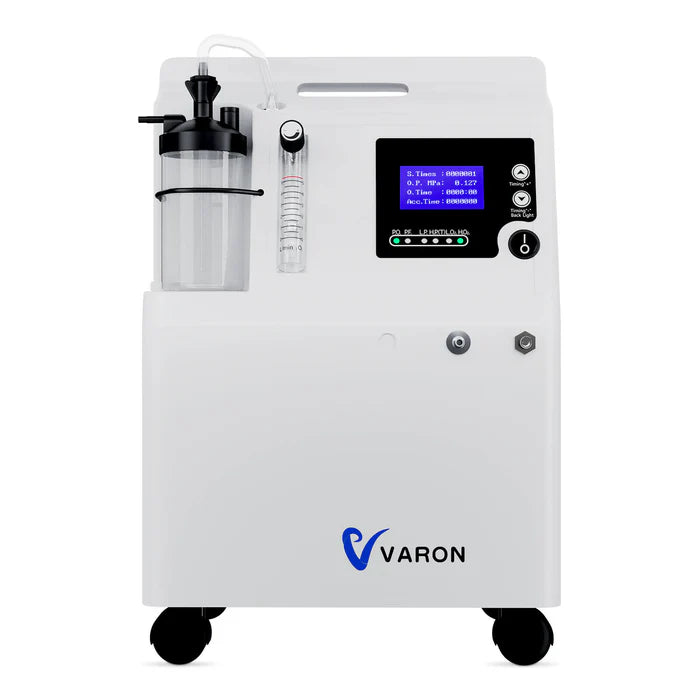
VARON Serene 5L Oxygen Concentrator |72H Operation FDA
For people who have been prescribed oxygen support, choosing suitable home equipment is another consideration. The device should meet their individual requirements while fitting comfortably into their available living space.
The VARON Serene 5 Oxygen Concentrator is designed for home use and provides continuous oxygen flow from 0.5 to 5 L/min, with an oxygen concentration of 93% ±3%.
Its operating noise level is ≤43 dB, which may be worth considering when choosing equipment for a quieter living environment, particularly in rooms where people rest.
The unit also includes a humidification bottle. It is important to understand that this accessory adds moisture to the supplied oxygen; it does not humidify the entire room. A separate room humidifier may still be needed if indoor air is excessively dry.
With four caster wheels, the unit can be moved between suitable locations in the home. Its dimensions are 28 × 34.8 × 51 cm, and its net weight is 16.7 kg.
For everyday convenience, it also features an LCD screen and a timer adjustable from 10 to 2,400 minutes. The device is rated at 480 VA and operates on AC110V / 60Hz.
These features provide practical considerations for people comparing home oxygen equipment. However, oxygen requirements and settings must always follow professional recommendations.
Explore the VARON Serene 5 and other home oxygen support options at VARON UK.
Key Takeaways
-
Heating can lower relative humidity and make indoor air feel dry.
-
A humidifier may help, but excessive moisture can encourage mould and condensation.
-
Regular ventilation helps maintain better indoor air quality.
-
Oxygen concentrators need adequate ventilation and safe positioning away from heat and flames.
-
A humidification bottle for oxygen does not replace a room humidifier.
-
Equipment should always be used according to professional guidance and manufacturer instructions.
Conclusion
A comfortable home during the heating season is about finding the right balance between warmth, moisture and fresh air. Managing dry indoor air heating with sensible humidifier use, regular ventilation and careful equipment placement can support better home respiratory comfort.
For people using prescribed oxygen, the right equipment and a suitable location are also important parts of everyday home arrangements. The VARON Serene 5 offers continuous oxygen flow and an included humidification bottle for users whose requirements match its specifications.
Make your indoor environment more comfortable this winter. Explore the home oxygen solutions available from VARON UK and choose equipment that meets your individual needs.
Frequently Asked Questions
Does central heating make indoor air dry?
Yes. Heating raises the air temperature and can lower relative humidity, making indoor spaces feel drier.
Should I use a humidifier when the heating is on?
A humidifier may help if indoor air is excessively dry. Monitor humidity levels, clean the device regularly and avoid excessive moisture.
How often should I ventilate my home in winter?
Ventilate regularly when practical and safe. Use kitchen and bathroom extractor fans and keep background ventilation openings clear.
Where should I place an oxygen concentrator at home?
Place it on a stable surface in a clean, dry and well-ventilated area. Keep its air openings clear and follow the manufacturer's clearance and safety instructions.
Does an oxygen concentrator humidification bottle humidify the room?
No. It adds moisture to the supplied oxygen rather than increasing the humidity throughout the room. A separate room humidifier serves a different purpose.


