



Cooking Fumes and Your Lungs: A Hidden Home Respiratory Risk
CODE
Most people think of outdoor smog and traffic as the biggest threats to lung health. However, the air inside your own kitchen can sometimes be just as concerning. Everyday cooking releases tiny airborne particles, smoke, grease, and gases that may affect your breathing over time, especially if your kitchen has poor ventilation.
Understanding cooking fumes respiratory health and the effects of kitchen air pollution is becoming more important as people spend more time cooking at home. While occasional exposure may not cause noticeable problems for healthy individuals, repeated exposure can irritate the lungs and make existing respiratory conditions worse.
If you or a family member has asthma, COPD, bronchitis, pneumonia, lung cancer, flu recovery, or requires oxygen therapy alongside treatment for sleep apnoea, reducing indoor air pollution should be part of your daily routine.
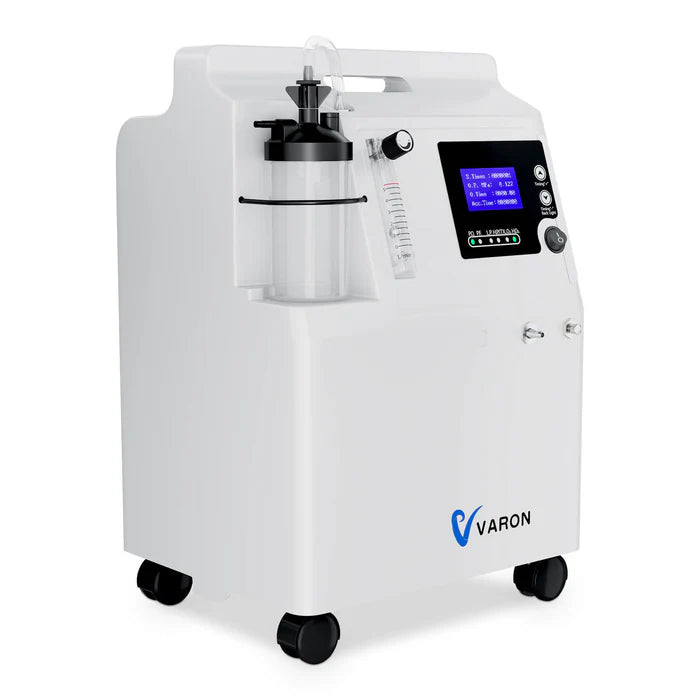
VARON Serene 5L Oxygen Concentrator |72H Operation FDA
What Are Cooking Fumes?
Cooking fumes are a mixture of microscopic particles and gases released when food is heated. The amount produced depends on the cooking method, ingredients, and temperature.
Common sources include:
-
Frying with cooking oil
-
Grilling meat
-
Charring food
-
Stir-frying
-
Deep frying
-
Burning food accidentally
-
Gas cookers
Many people overlook cooking fumes respiratory health, but these particles can stay suspended in the air long after cooking has finished.
How Kitchen Air Pollution Develops

Everyday Cooking Creates Fine Particles
Every time oil reaches a high temperature, it produces tiny airborne particles known as PM2.5 and ultrafine particles. These are small enough to travel deep into the lungs.
Poor ventilation allows these particles to build up, increasing kitchen air pollution inside the home.
Gas Cookers Add More Pollutants
Gas hobs also release:
-
Nitrogen dioxide
-
Carbon monoxide
-
Formaldehyde
-
Water vapour
Without proper airflow, these pollutants remain indoors and may contribute to poor cooking fumes respiratory health over months or even years.
How Cooking Fumes Affect Your Lungs
Even healthy lungs can become irritated after breathing smoke-filled air.
Common short-term symptoms include:
-
Coughing
-
Sore throat
-
Watery eyes
-
Chest tightness
-
Wheezing
-
Shortness of breath
Repeated exposure may lead to ongoing inflammation that affects kitchen air pollution tolerance and overall breathing comfort.
Fine Particles Reach Deep Into the Airways
Unlike larger dust particles that are trapped in the nose, cooking particles are extremely small.
They travel into the smallest air sacs inside the lungs where oxygen enters the bloodstream. Continuous exposure may slowly reduce lung efficiency, highlighting why cooking fumes respiratory health deserves greater attention.
Who Is Most at Risk?
Certain groups are much more sensitive to indoor cooking pollutants.
People With Asthma
Cooking smoke can trigger asthma attacks by irritating already inflamed airways.
COPD Patients
People living with COPD often notice increased breathlessness after exposure to heavy cooking fumes.
Older Adults
Age naturally reduces lung capacity, making recovery from irritation slower.
Young Children
Children breathe faster than adults and inhale more airborne particles relative to their body size.
Individuals Recovering From Respiratory Illness
Those recovering from pneumonia, bronchitis, influenza, or lung infections may find kitchen air pollution slows their recovery if indoor air quality remains poor.
Signs Your Kitchen Air May Be Affecting Your Breathing

You may notice:
-
Frequent coughing while cooking
-
Needing to open windows immediately
-
Wheezing after meals are prepared
-
Stuffy chest indoors
-
Eye irritation
-
Strong lingering cooking smells
-
Increased mucus production
These signs may indicate poor cooking fumes respiratory health conditions inside your home.
How to Reduce Kitchen Air Pollution

Use an Effective Cooker Hood
Always switch on the extractor fan before you begin cooking.
A vented cooker hood removes smoke and airborne grease much more effectively than simply opening a window.
Open Windows
Fresh outdoor air helps dilute indoor pollutants.
Cross ventilation works even better by creating continuous airflow.
Cook at Lower Temperatures
Burning oil produces significantly more harmful particles.
Using medium heat whenever possible helps reduce kitchen air pollution.
Choose Healthier Cooking Methods
Instead of deep frying, consider:
-
Baking
-
Steaming
-
Slow cooking
-
Boiling
-
Air frying
These methods generally create fewer airborne pollutants.
Clean Your Kitchen Regularly
Grease trapped on extractor filters continues releasing unpleasant odours and particles.
Clean:
-
Cooker hood filters
-
Splashbacks
-
Hob surfaces
-
Vent covers
Regular cleaning improves cooking fumes respiratory health over time.
Why Good Indoor Air Matters for Respiratory Conditions
People living with respiratory illnesses often focus on medication while overlooking indoor air quality.
Reducing household pollution can help minimise unnecessary irritation alongside prescribed treatment.
If you have:
-
Asthma
-
COPD
-
Bronchitis
-
Pneumonia
-
Lung cancer
-
Influenza recovery
-
Oxygen needs associated with sleep apnoea treatment
maintaining cleaner indoor air supports more comfortable breathing.
Receiving treatment at home with a VARON machine is a comfortable way to manage these respiratory conditions and is often the most suitable treatment method at this stage when prescribed by a healthcare professional.
Many people feel stuffy wearing masks for long periods during influenza outbreaks. This can be especially uncomfortable for COPD patients. Comfortable home oxygen therapy using appropriate medical equipment may provide greater day-to-day comfort under medical guidance.
Why the VARON Serene 5 Oxygen Concentrator Stands Out
For individuals requiring home oxygen therapy, the VARON Serene 5 Oxygen Concentrator | 72H Operation FDA is designed to deliver dependable performance with outstanding convenience.
Stable Medical-Grade Oxygen
The Serene 5 provides:
-
Oxygen flow: 0.5–5 L/min
-
Oxygen purity: 93% ±3% across every flow setting
-
Continuous-flow oxygen delivery
-
Oil-free compressor
-
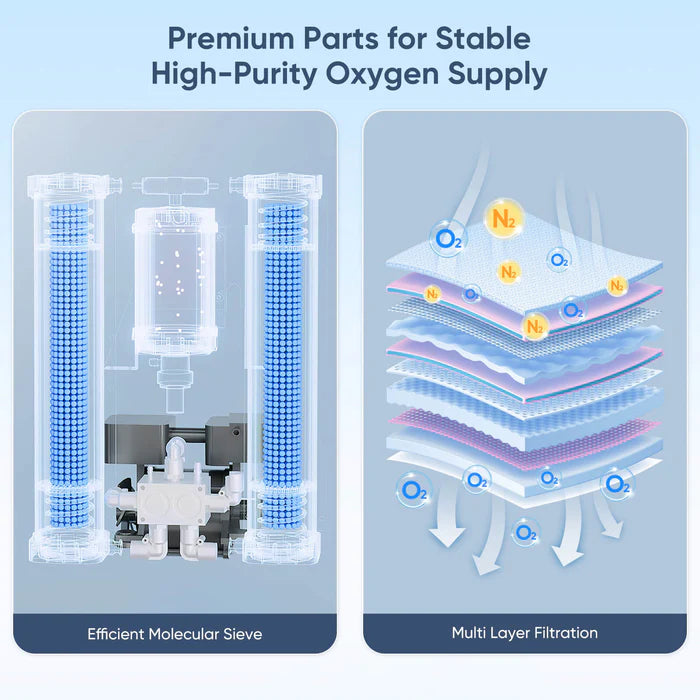
Advanced molecular sieve for clean oxygen production
This stable oxygen output supports users needing consistent respiratory assistance at home.
Built for Continuous Home Therapy
One of its biggest strengths is dependable long-duration operation.
Features include:
-
Designed for continuous use
-
Rapid heat dissipation
-
Quiet operation at ≤43 dB
-
Suitable for both daytime and overnight therapy
The whisper-quiet design allows family members to sleep comfortably while therapy continues.
Oxygen Therapy and Nebuliser in One Machine
Unlike many standard concentrators, Serene 5 combines:
-
Oxygen concentrator
-
Integrated nebuliser
This eliminates the need for purchasing separate respiratory equipment.
Easy-to-Use Smart Display
The large LCD panel displays:
-
Oxygen status
-
Pressure information
-
Error notifications
-
Adjustable timer from 10 to 2400 minutes
The controls are straightforward, making everyday use much easier for adults and older users.
Practical Design
Additional specifications include:
-
Four smooth caster wheels for easy movement
-
Weight: 36.81 lbs (16.7 kg)
-
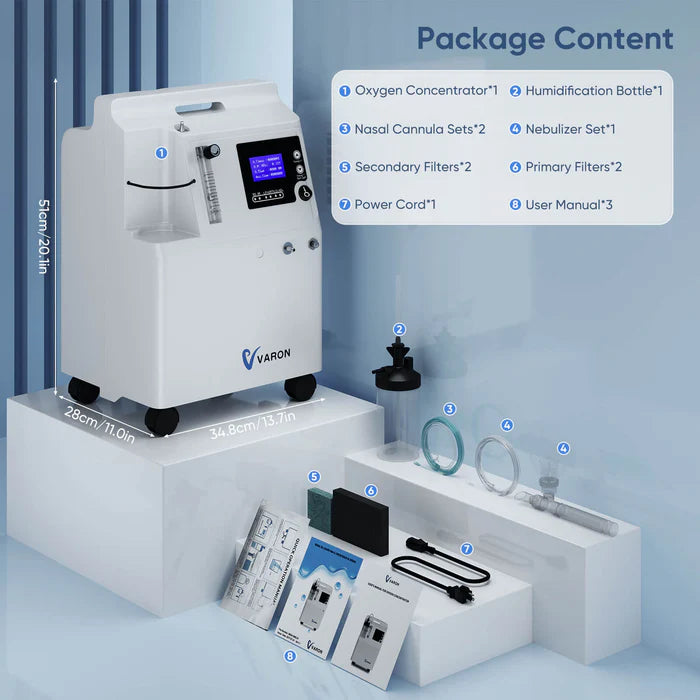
Product dimensions: 11 × 13.7 × 20.1 inches
-
Outlet pressure: 0.04–0.07 MPa
-
Rated power: 480VA
-
AC110V / 60Hz power supply
Users can also connect it with compatible CPAP or BiPAP machines when prescribed for comprehensive sleep therapy.
Complete Package
Included in the box:
-
Oxygen concentrator
-
Humidification bottle
-
Two nasal cannulas
-
Nebuliser kit
-
Remote control
-
Two primary filters
-
Two secondary filters
-
Power cord
-
Three user manuals
Monthly filter cleaning and regular nasal cannula replacement help maintain long-term performance.
Key Takeaways
-
Cooking fumes respiratory health should never be ignored because repeated exposure may irritate the lungs.
-
Kitchen air pollution builds up quickly during frying, grilling, and cooking with gas.
-
Proper ventilation, cleaner cooking methods, and regular extractor maintenance significantly improve indoor air quality.
-
People with asthma, COPD, bronchitis, pneumonia, lung cancer, influenza recovery, and oxygen therapy needs should pay extra attention to kitchen air quality.
-
Receiving treatment at home with a VARON machine is a comfortable way to manage respiratory conditions and is often the most suitable treatment method at this stage when advised by a healthcare professional.
-
The VARON Serene 5 delivers medical-grade oxygen at 93% ±3% purity, adjustable 0.5–5 L/min flow, integrated nebuliser, whisper-quiet ≤43 dB operation, and user-friendly controls.
-
Use the exclusive discount code VARON10 when purchasing your VARON oxygen concentrator.
-
Shop Now and experience quieter, more comfortable home oxygen therapy with the VARON Serene 5.
Conclusion
Many people never realise that the greatest source of indoor air pollution may be their own kitchen. Small changes such as improving ventilation, avoiding excessive frying, and cleaning cooker filters can make a meaningful difference to cooking fumes respiratory health and reduce kitchen air pollution inside your home.
For people managing chronic respiratory conditions, maintaining cleaner indoor air alongside prescribed medical treatment can support greater comfort every day. Receiving treatment at home with a VARON machine offers a comfortable way to manage asthma, COPD, bronchitis, pneumonia, lung cancer, influenza recovery, and oxygen therapy needs associated with sleep apnoea when recommended by a healthcare professional.
If you're looking for dependable home oxygen support, the VARON Serene 5 combines continuous medical-grade oxygen, quiet performance, integrated nebulisation, and simple operation in one reliable machine. Discover More and Shop Now using the exclusive discount code VARON10 to enjoy trusted respiratory support from the comfort of your own home.


