



Back to School: Protecting Respiratory Health at Home
CODE
When children return to school after the summer, they also return to busy classrooms, shared spaces and close contact with other children. It is common for seasonal colds and other infections to make their way into households during autumn, which can be a particular concern for families supporting someone with ongoing breathing needs. Good back to school respiratory habits and sensible home air quality autumn measures can make the home a more comfortable environment for everyone.
The goal is not to create a completely germ-free home. Instead, families can focus on fresh air, sensible cleaning, good hand hygiene and comfortable indoor conditions. These simple steps can help reduce the amount of unwanted material circulating indoors while making the home more pleasant during the cooler months.
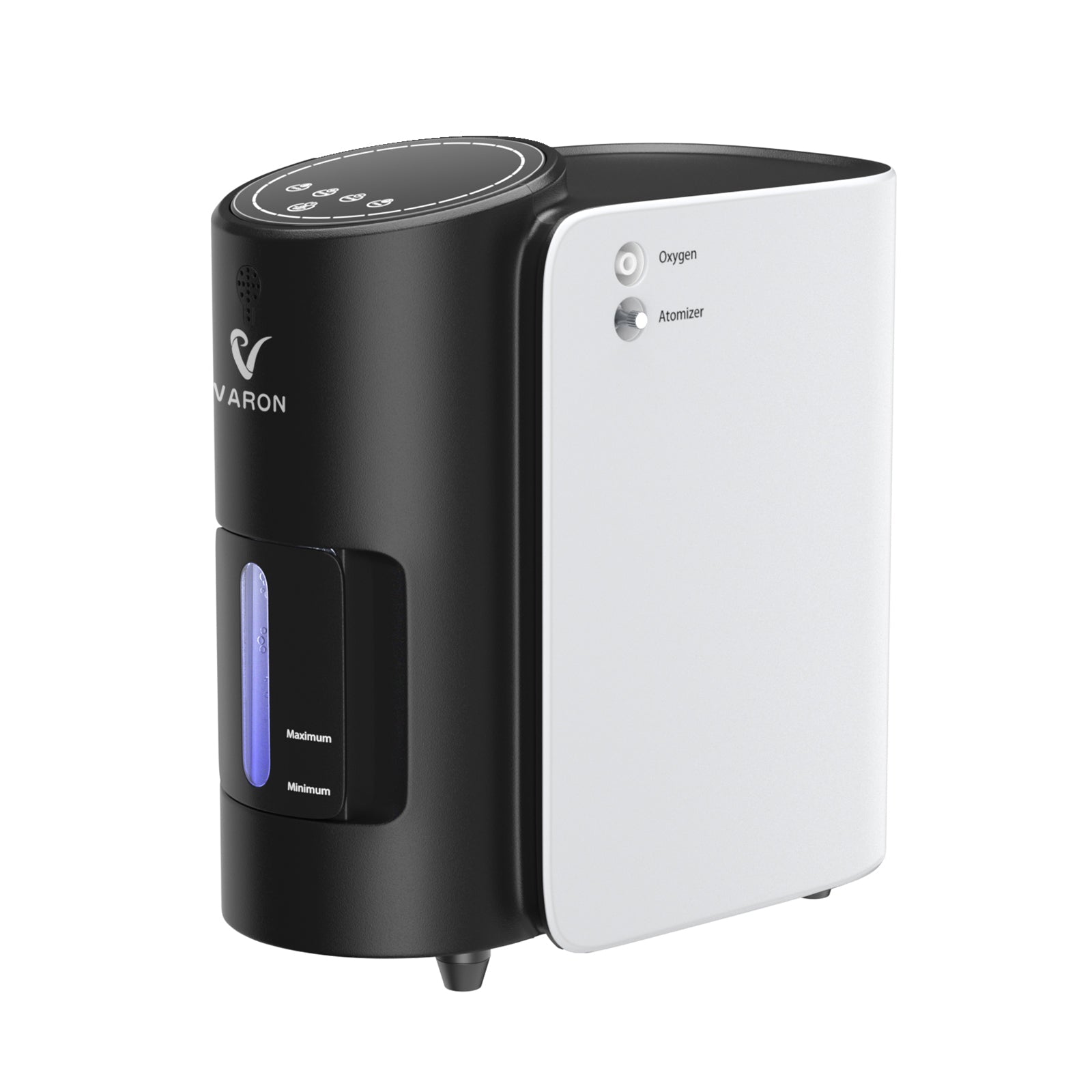
VARON VH-1 Home Oxygen Concentrator | 1-7 Adjustable, Vital Senior Health
Why Back-to-School Season Can Affect the Home
Children spend much of their day around classmates, teachers and shared surfaces. Colds and other seasonal infections can therefore move between school and home quite easily, especially when several people are spending more time indoors.
UK guidance notes that respiratory infections commonly increase during the colder months. Coughing, sneezing and close contact can spread infectious particles, while poorly ventilated indoor spaces can allow these particles to remain in the air for longer.
For households where someone already has ongoing breathing needs, this can make autumn feel a little more challenging. A child may recover quickly from a seasonal cold, while another member of the household may need more careful attention to their usual healthcare routine.
That is why back to school respiratory planning should include the whole household rather than focusing only on the child returning to school.
How Autumn Can Change Home Air Quality

Autumn brings cooler temperatures, changing humidity and more time spent indoors. Families may naturally keep windows closed for longer, but completely closed rooms can allow stale air and airborne particles to build up.
The UK Government recommends regular ventilation because bringing fresh outdoor air indoors helps remove stale air and can reduce the concentration of airborne particles associated with infections. Even opening a window for a short period can help.
At the same time, indoor air quality is not only about infections. Damp areas, mould, dust and some household products can also affect the comfort of people who are sensitive to indoor air. UK guidance recommends improving ventilation and addressing dampness to help manage indoor airborne pollutants and allergens.
This makes home air quality autumn planning especially useful when families begin spending more evenings indoors.
Simple Ways to Keep Household Air Fresher
Ventilate rooms regularly
Fresh air does not require leaving every window wide open all day. A window opened slightly for a short period can improve airflow while helping the room remain comfortable.
If someone in the household is unwell, UK guidance recommends increasing ventilation where practical. Keeping a window slightly open in their room, while keeping the door closed, can help reduce the movement of stale air into other parts of the home.
Avoid blocking ventilation points
Check that trickle vents, grilles and other ventilation openings are not blocked by furniture, curtains or household items.
If the home uses mechanical ventilation, keep the system maintained according to the manufacturer's instructions. Filters should also be checked and replaced when required.
Keep damp under control
Autumn condensation can become a problem when warm indoor air meets colder surfaces. Persistent dampness can contribute to mould growth, which may release particles into the indoor environment.
Look for condensation around windows, damp patches, musty smells or visible mould. Addressing the source of moisture is more useful than simply cleaning visible mould and leaving the underlying problem unresolved.
Be careful with household products
Strong fragrances, sprays, smoke and other airborne irritants can make indoor air less comfortable for some people.
Use cleaning products according to their instructions and avoid unnecessary indoor smoke. UK guidance also recommends avoiding smoking and vaping indoors as part of maintaining better indoor air quality.
Back-to-School Habits That Can Help the Whole Family

Air quality is only one part of keeping the household comfortable during the school term.
Encourage children to wash their hands when they arrive home, before eating and after coughing or sneezing. UK guidance identifies hand hygiene and good cough and sneeze habits as important ways of reducing the spread of infections.
A practical after-school routine can be simple:
-
Wash hands after arriving home.
-
Change out of school clothes if appropriate.
-
Avoid sharing cups, cutlery and personal items.
-
Cover coughs and sneezes with a tissue or the inner elbow.
-
Dispose of used tissues promptly.
-
Give commonly touched surfaces regular attention.
-
Keep shared rooms reasonably ventilated.
These habits do not need to become complicated. Consistency matters more than creating an elaborate routine.
What Families Should Do When a Child Comes Home Unwell
A child with a mild cold may simply need rest, fluids and time to recover. The important point for a household with someone who has ongoing breathing needs is to reduce unnecessary exposure where practical.
Give the child a comfortable area to rest, increase ventilation and avoid overcrowding shared rooms. If the child is using communal areas, keeping those spaces well ventilated can help reduce the build-up of airborne particles.
Families should also follow current school and healthcare guidance when a child has more significant symptoms. Some children and young people can become seriously unwell with infections, particularly those with certain existing health conditions, so professional advice should be sought when there are concerns.
When Oxygen Support Is Already Part of the Household Routine

Some people are prescribed supplemental oxygen as part of their established healthcare plan. For these individuals, a seasonal cold or changes in household conditions should not automatically lead to changes in oxygen flow.
Oxygen requirements vary from person to person. Flow settings should therefore remain based on professional recommendations rather than being changed because someone feels more uncomfortable during autumn.
An oxygen concentrator can provide a practical source of supplemental oxygen for appropriate users at home. However, it does not replace professional assessment, prescribed treatment or urgent care when someone becomes seriously unwell.
This is where back to school respiratory planning connects with everyday oxygen management: keeping the surrounding environment comfortable while continuing an established oxygen routine as directed.
A Home Oxygen Concentrator for Daily Support
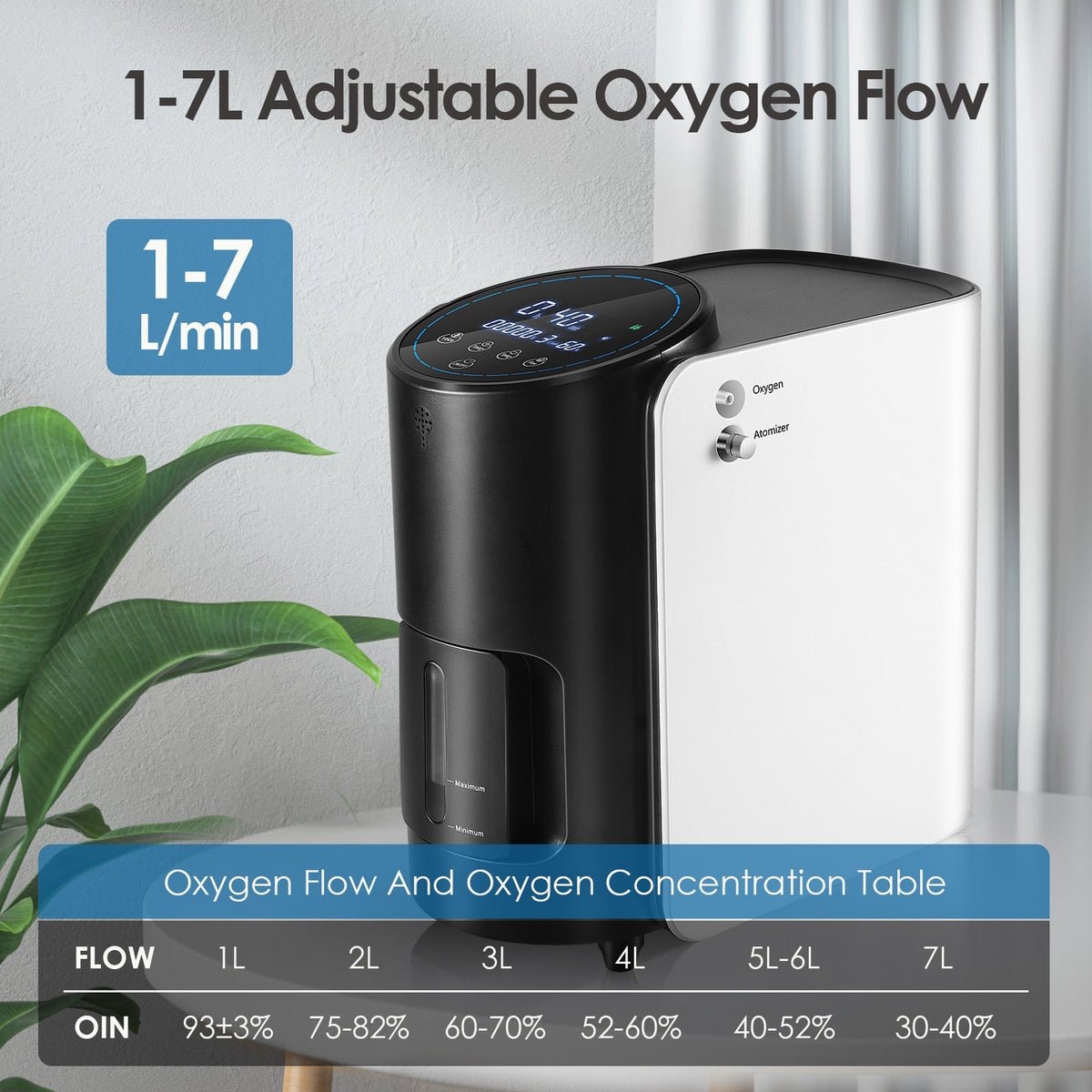
For people who already require prescribed oxygen support at home, convenience can make a meaningful difference to everyday routines.
The VARON VH-1 Home Oxygen Concentrator is designed specifically for home use and provides continuous oxygen delivery. Its oxygen concentration is specified at 35%–90%, with an adjustable oxygen flow of 1–7 L/min.
The unit has a working sound level of ≤48 dB(A), which can be useful in a household where quiet surroundings are important during rest, sleep or normal family activities.
Its large LED panel displays settings, flow rate and timer information clearly, while the wireless remote control allows the user to operate the device from elsewhere in the room.
The VH-1 also includes a humidification function. Adding moisture to the oxygen can provide greater comfort for users who experience irritation or dryness around the nasal passages.
For households that have a prescribed need for both oxygen support and nebuliser therapy, the VH-1 includes a built-in nebuliser function with a nebuliser kit. These functions should be used according to professional recommendations.
The concentrator measures 12 × 8.43 × 11.02 inches, weighs 12 lb, has a rated power of 150 W, and operates at AC230V/50Hz or AC110V/60Hz. Its atomisation rate is ≥0.2 mL/min, and its electrical classification is Ⅱ.
For families, the practical advantage is straightforward: the device is designed for continuous home use, so an appropriate user can maintain their established oxygen routine without making the equipment the centre of everyday family life.
Maintaining the VH-1 During the School Term
Good equipment hygiene matters even more when children are regularly coming into the household with seasonal infections.
The VH-1 intake filter cotton is not washable. According to the supplied product instructions, it should be replaced after 100–200 hours of use, or immediately if it becomes visibly dirty.
The oxygen inhaler head should be cleaned approximately once a week, while the nasal cannula should be cleaned after each use to maintain hygiene.
These maintenance steps should form part of the household routine rather than being left until the device appears dirty or stops working properly.
Keep prescribed oxygen support comfortable and consistent by following the recommended device settings, cleaning routine and professional guidance throughout the school term.
Key Takeaways
-
Children returning to school can bring seasonal infections into the household.
-
Fresh airflow is an important part of maintaining comfortable indoor conditions.
-
Opening windows periodically can help remove stale indoor air.
-
Damp, mould, smoke and unnecessary airborne irritants should be addressed.
-
Hand washing and good cough and sneeze habits remain useful household measures.
-
People with established oxygen needs should follow their existing professional guidance.
-
Oxygen flow should not be changed simply because a seasonal cold develops.
-
The VARON VH-1 provides continuous 1–7 L/min oxygen flow with a specified concentration of 35%–90% for appropriate home users.
-
Regular filter, inhaler-head and nasal-cannula maintenance is important.
Conclusion
The return to school does not have to mean turning the home into a tightly controlled environment. Small, repeatable habits — bringing in fresh air, managing dampness, keeping commonly touched areas clean and encouraging good hand and cough hygiene — can make autumn household routines easier.
For families supporting someone with established oxygen needs, these steps become even more relevant. Good home air quality autumn practices can complement an existing healthcare routine, while sensible back to school respiratory habits help the whole household respond to the seasonal change.
The VARON VH-1 Home Oxygen Concentrator may provide convenient continuous oxygen support for people who have been advised to use supplemental oxygen at home. Its adjustable 1–7 L/min flow, 35%–90% oxygen concentration, ≤48 dB(A) operating sound and home-focused controls are designed around everyday use.
Prioritise a comfortable home environment this autumn, follow professional oxygen guidance and keep your family's daily routines as simple and manageable as possible.
Frequently Asked Questions
How can I improve air quality at home when children return to school?
Open windows regularly when practical, keep ventilation points clear, control dampness and avoid indoor smoke and unnecessary airborne irritants. Good hand and cough hygiene can also help reduce the spread of seasonal infections.
Should I keep the windows closed during autumn?
Not necessarily. Even short periods of ventilation can bring fresh air into the home and remove stale indoor air. If the weather is cold, opening a window slightly can provide airflow while limiting discomfort.
What should I do if my child brings a cold home?
Encourage hand washing, good cough and sneeze habits and rest. Improve ventilation in shared rooms and avoid unnecessary close contact with household members who may be more vulnerable to infections.
Can a cold affect someone who already uses supplemental oxygen?
A seasonal infection can make someone feel more unwell, particularly if they already have ongoing breathing needs. Continue the established oxygen plan and contact a healthcare professional if symptoms become concerning. Do not change oxygen settings without professional guidance.
Is the VARON VH-1 suitable for everyone who has breathing difficulties?
No. The VH-1 is intended for users who have an appropriate need for supplemental oxygen. Oxygen requirements and flow settings should be determined by a healthcare professional, and the device should be used according to those recommendations.


