



Autumn Mould: Protecting Your Home Air Quality
CODE
Autumn brings cooler temperatures, closed windows and more time indoors. Moisture from cooking, showering and drying clothes can collect on cold windows, walls and corners, creating conditions where mould can grow.
Good mould prevention home habits are especially important during this period. Effective ventilation, sensible moisture control and regular checks can support respiratory comfort autumn routines before damp patches become a bigger problem.
Damp and mould can affect breathing and may be particularly harmful to children, older adults and people with existing health conditions.
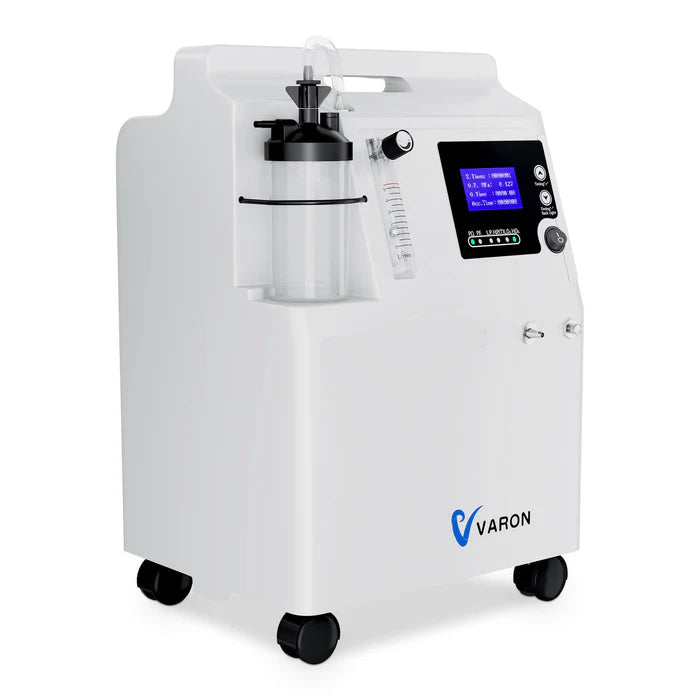
VARON Serene 5L Oxygen Concentrator |72H Operation FDA
Why Does Autumn Increase the Risk of Mould Indoors?
When outdoor temperatures fall, cold walls and windows can encourage condensation. Everyday activities release moisture into indoor air, and without adequate ventilation, that moisture can settle on surfaces and create conditions for mould growth.
Dust mites can also thrive in damp indoor environments. These tiny creatures are commonly found in mattresses, bedding, carpets and soft furnishings, and their allergens can affect people who are sensitive to them.
How Can You Spot Early Signs of Mould and Condensation?

Look out for these common warning signs:
-
Water droplets collecting on windows each morning.
-
Black, green or grey patches on walls, window frames or ceilings.
-
A persistent musty smell, even when no mould is visible.
-
Damp areas behind wardrobes, beds or sofas placed against external walls.
These signs may indicate that moisture is not escaping properly. Effective mould prevention home care means investigating the source rather than simply wiping away visible marks.
What Practical Steps Help Prevent Autumn Mould Growth?

1. Ventilate Rooms Regularly
Use kitchen extractor fans while cooking and bathroom fans during and after showers. Where practical and safe, open windows briefly to exchange indoor air, particularly after activities that create moisture.
Keep existing ventilation openings clear. These straightforward mould prevention home measures help moisture escape instead of settling on cold surfaces.
2. Reduce Condensation and Indoor Moisture
Cover saucepans when cooking, wipe water from windows and avoid drying clothes in poorly ventilated rooms whenever possible. If indoor drying is necessary, ventilate the room appropriately.
Keep rooms at a reasonably consistent, comfortable temperature where possible. If heating costs are a concern, focus on ventilation and moisture control as well. Residents should not be expected to solve structural damp problems through lifestyle changes alone.
3. Keep Furniture Away from Cold Walls
Leave a small gap between wardrobes, beds and outside walls to allow air to circulate. Check hidden corners periodically, particularly in bedrooms and behind large pieces of furniture.
This simple part of mould prevention home maintenance can help you notice dampness earlier and avoid leaving moisture-related problems unchecked.
4. Clean Mould Safely and Address Its Cause
For small patches on suitable hard surfaces, use an appropriate mould-removal product and follow its label instructions. Ventilate the area and never mix cleaning products.
Extensive mould, recurring damp patches or suspected mould behind walls require further assessment and may need professional removal. Removing visible marks without fixing the underlying moisture problem will not stop mould returning.
How Can You Manage Dust Mites in Autumn?
Dust mite control is another useful part of respiratory comfort autumn planning, especially in bedrooms where people spend many hours each night.
Try these practical steps:
-
Wash bedding regularly at a temperature suitable for the fabric.
-
Use allergen-resistant mattress and pillow covers if dust mites affect you.
-
Vacuum carpets and upholstery regularly using suitable equipment.
-
Reduce unnecessary fabric clutter and keep bedrooms as dry as reasonably possible.
-
Avoid allowing damp laundry and bedding to remain in enclosed spaces.
The aim is to reduce dust and moisture while maintaining a clean, comfortable sleeping environment. For people with known dust mite sensitivities, regular bedding washing and allergen-resistant covers may be helpful.
Who Needs to Pay Particular Attention to Indoor Air Quality?
Everyone benefits from a well-maintained home, but damp and mould deserve particular attention when children, older adults or people with existing breathing or immune-system conditions live in the property.
If coughing, wheezing or breathlessness repeatedly occurs or becomes worse indoors, speak to a healthcare professional. Persistent mould or damp should also be reported to the landlord or property manager if you rent.
Good mould prevention home routines support respiratory comfort autumn, but they cannot replace professional help when a building has a serious moisture problem or someone is unwell.
Can an Oxygen Concentrator Support Respiratory Comfort at Home?

An oxygen concentrator does not remove mould, control humidity or eliminate dust mites. The first priority is to address dampness, improve ventilation and reduce exposure to indoor irritants.
However, some people already have prescribed oxygen support as part of their healthcare plan. During autumn, maintaining a suitable indoor environment and following their prescribed oxygen routine can both be important parts of daily care.
VARON Serene 5L Oxygen Concentrator
The VARON Serene 5L Oxygen Concentrator provides continuous-flow oxygen for people who require supplemental oxygen at home according to professional recommendations.
Its low operating noise, LCD screen and built-in timer may make routine use more convenient in a home environment.
Key specifications:
-
Oxygen flow: 0.5–5 L/min
-
Oxygen concentration: 93% ±3%
-
Noise level: ≤43 dB
-
Rated power: 480 VA
-
Product size: 11 × 13.7 × 20.1 inches (28 × 34.8 × 51 cm)
-
Net weight: 36.81 lb (16.7 kg)
-
Power supply: AC 110 V / 60 Hz
-
Timer: 10–2,400 minutes
-
Additional features: Integrated nebuliser, LCD screen and four caster wheels
The device is intended for users who require supplemental oxygen, not as a solution for mould exposure or poor indoor air quality. Oxygen requirements and settings must follow healthcare professional recommendations.
Make respiratory comfort a priority this autumn: address moisture at its source, maintain a clean sleeping environment and follow any prescribed oxygen routine. For suitable users, the VARON Serene 5L may provide a convenient option for prescribed oxygen support at home.
Key Takeaways
-
Mould prevention home routines should focus on ventilation, moisture control and early identification of damp patches.
-
Respiratory comfort autumn habits include keeping bedding clean, reducing dust mite exposure and maintaining a comfortable indoor environment.
-
Avoid covering up recurring mould without addressing its cause.
-
Seek professional help for extensive mould, persistent dampness or worsening breathing problems.
-
Oxygen concentrators provide prescribed oxygen support; they do not remove mould or replace appropriate healthcare.

Frequently Asked Questions
1. How Can I Prevent Mould in My Home During Autumn?
Use extractor fans, ventilate rooms, wipe condensation from windows and reduce excess indoor moisture. Investigate recurring damp patches rather than simply cleaning the surface.
2. Does Opening Windows Help Prevent Mould?
Yes. Appropriate ventilation can help moisture escape. Open windows when practical and safe, and use kitchen and bathroom extractor fans to remove moisture at its source.
3. Do Dust Mites Increase During Autumn?
Dust mites can persist throughout the year. Damp indoor conditions can support their growth, so keeping bedding clean and controlling indoor moisture are useful precautions.
4. Can Mould in the Home Affect Breathing?
Yes. Damp and mould can cause coughing, wheezing and other breathing problems, particularly in people who are more sensitive. Seek professional advice if symptoms persist or worsen.
5. Does an Oxygen Concentrator Remove Mould from Indoor Air?
No. An oxygen concentrator supplies concentrated oxygen for people who require it. It is not a mould-removal or room-air-purification device. Mould requires appropriate cleaning and moisture control.
Conclusion
Protecting your home from autumn dampness starts with simple, consistent habits. Effective mould prevention home practices, including regular ventilation, condensation control and careful cleaning, can help maintain a healthier indoor environment. Combining these steps with dust mite management supports respiratory comfort autumn routines, particularly for children, older adults and people sensitive to indoor air quality.
For people who require prescribed oxygen support, the VARON Serene 5L Oxygen Concentrator offers continuous-flow oxygen with adjustable settings for home use, according to healthcare professional recommendations. While it cannot remove mould or dust mites, it may support daily oxygen needs as part of an appropriate care plan.
Take action this autumn: address moisture early, keep your living spaces clean and seek professional advice when dampness or breathing concerns persist. Consistent mould prevention home habits and a focus on respiratory comfort autumn can help you create a more comfortable home environment throughout the colder months.


