


VH-2 vs VH-3: Comparing Home Oxygen Concentrators
CODE
Choosing between the VARON VH-2 and VH-3 means looking beyond their appearance. Both are home oxygen concentrators with adjustable flow settings, continuous operation and additional features, but they differ in noise levels, electrical specifications, filtration and everyday convenience.
This VH-2 vs VH-3 comparison looks at the features that matter when choosing equipment for home use. Through this home oxygen concentrator comparison, you can understand which specifications deserve attention, how the two models differ and what to check before making a decision.
If you are researching VH-2 vs VH-3, the main difference is that the VH-3 has a lower stated noise level and lower listed input power, while the VH-2 offers a higher minimum oxygen concentration specification. Both provide adjustable flow from 1–7 and continuous operation.
This home oxygen concentrator comparison is intended for UK readers researching home equipment and comparing practical features before purchasing.
VH-2 vs VH-3: What Are the Main Differences?
The two models share several features, but their specifications are not identical.
|
Feature |
|
|
|---|---|---|
|
Oxygen flow |
1–7 |
1–7 |
|
Oxygen concentration |
35%–90% |
28%–90% |
|
Noise level |
≤48 dB(A) |
≤42 dB(A) |
|
Listed electrical power |
150 VA output power |
120 VA input power |
|
Operation |
Continuous |
Continuous |
|
Weight |
12.13 lbs |
10.58 lbs |
|
Filtration |
8-stage |
10-layer |
|
Nebuliser |
Included |
Built-in |
|
Remote control |
Yes |
Yes |
|
Humidification |
Not specified as automatic |
Automatic |
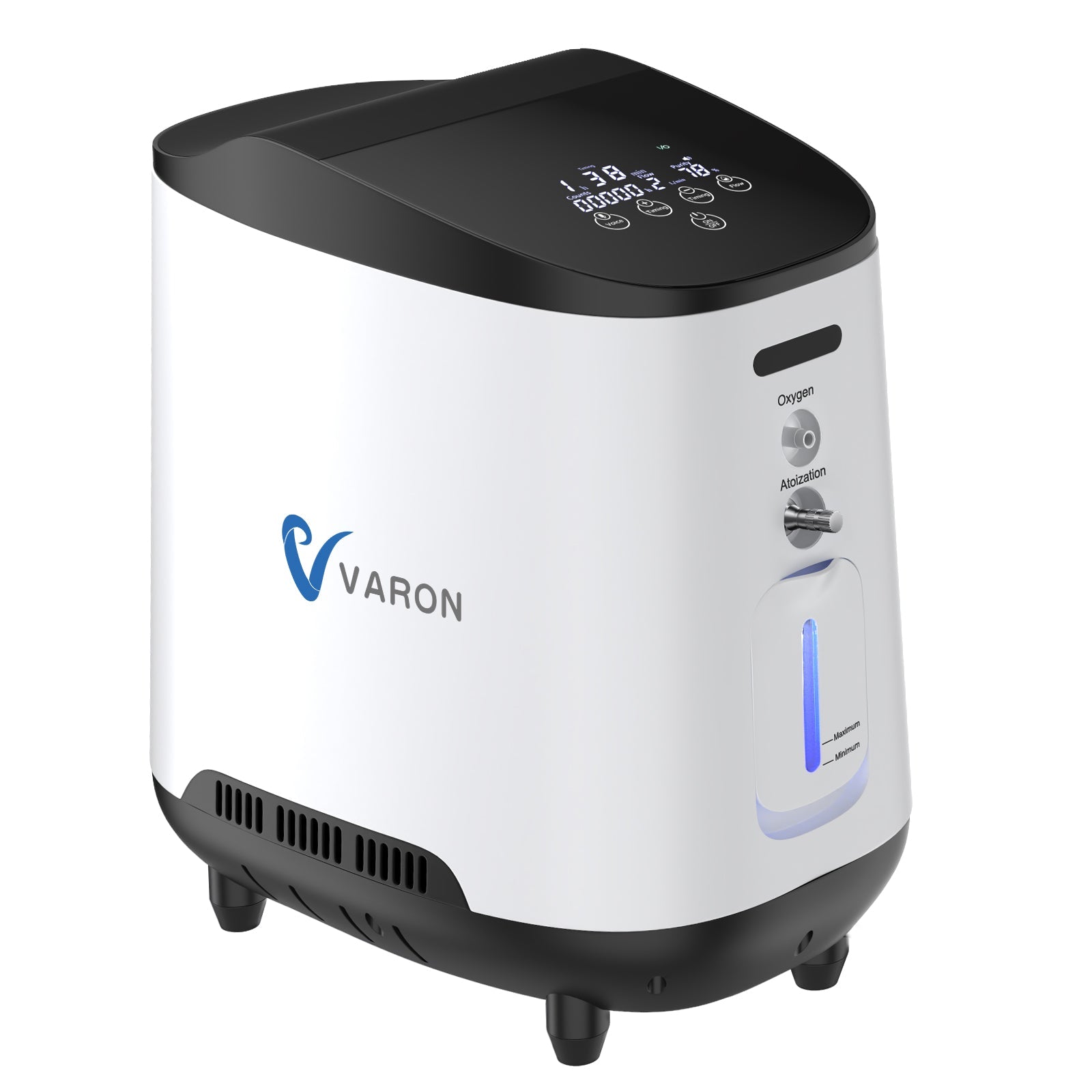

One important distinction is that the power figures are listed differently: the VH-2 specification gives output power, while the VH-3 gives input power. They should not be treated as directly equivalent measurements of electricity consumption.
1. Flow Rate and Oxygen Concentration: How Do They Compare?
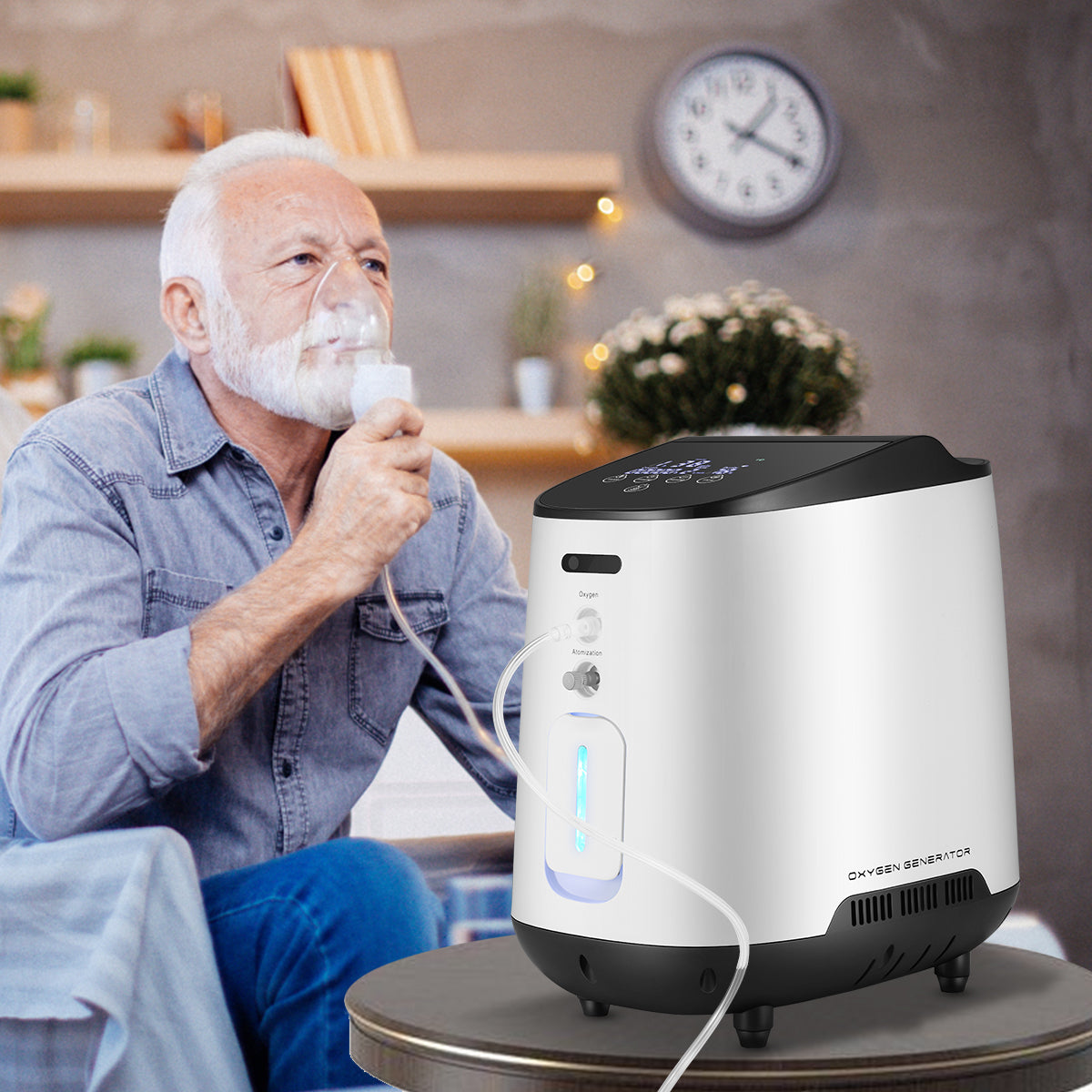
Flow rate is an important consideration when comparing home oxygen concentrators. It describes the amount of oxygen delivered through the equipment, expressed in litres per minute.
VH-2: Adjustable Flow from 1–7
The VH-2 offers adjustable flow settings from 1–7, with an oxygen concentration range of 35%–90%.
Its continuous operating mode is designed for ongoing use according to the user's requirements. This gives users a range of settings to discuss with their healthcare professional.
VH-3: Adjustable Flow from 1–7
The VH-3 also provides adjustable flow from 1–7, with a listed oxygen concentration range of 28%–90%.
Both models therefore share the same stated flow range and maximum concentration. However, their minimum listed concentration differs.
When considering VH-2 vs VH-3, remember that a higher minimum concentration does not automatically mean that one machine is more suitable for every user.
Oxygen requirements and appropriate settings should always follow professional recommendations.
2. Noise Levels: Which Model Is Quieter?
Noise can make a difference when an oxygen concentrator operates for extended periods, particularly in a bedroom or shared living space.
-
VH-2: Maximum working sound of ≤48 dB(A).
-
VH-3: Maximum working sound of ≤42 dB(A).
The VH-3 has the lower stated noise level, with a 6 dB difference between the specifications.
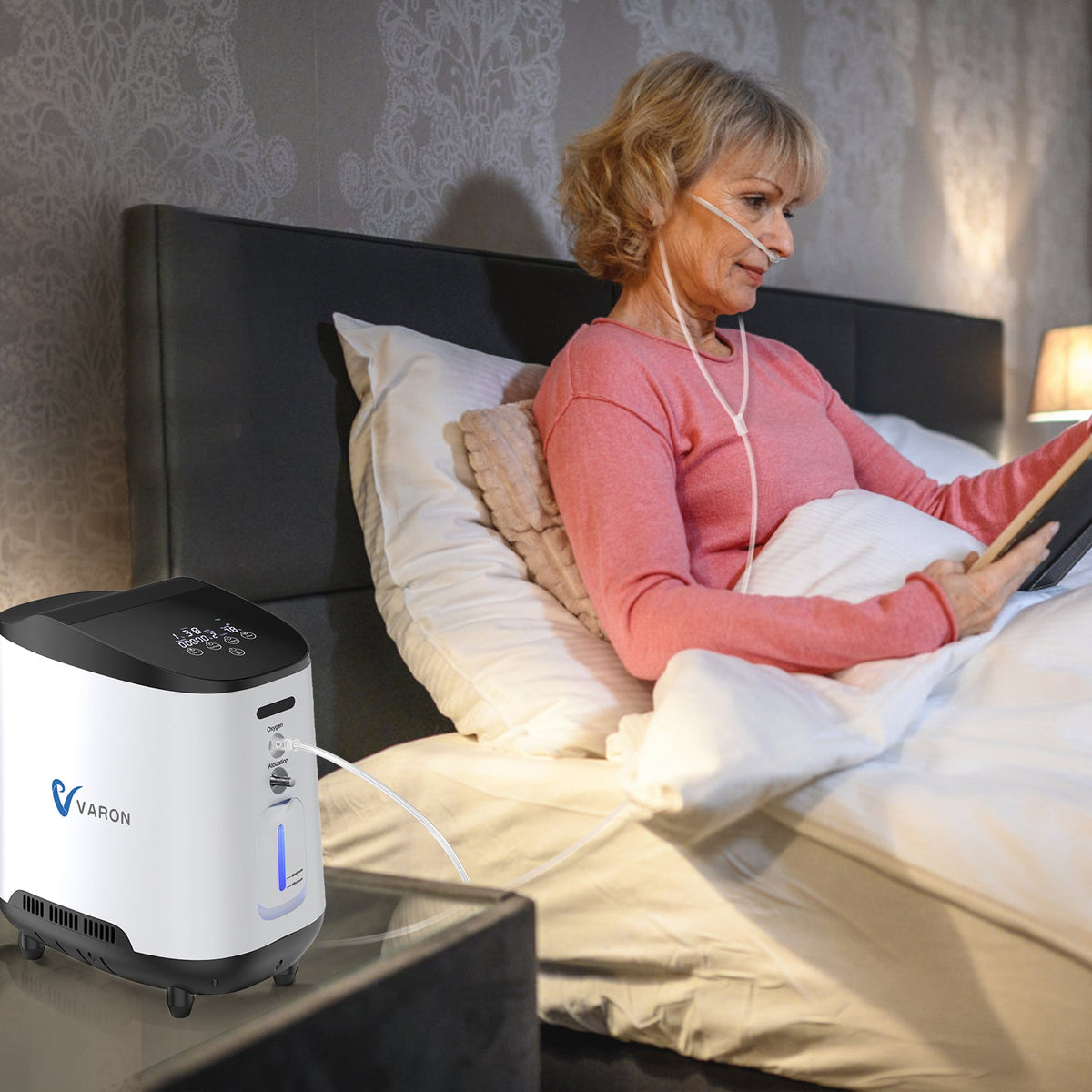
For someone who prefers a quieter environment while reading, watching television or resting, this may be an important consideration.
In this part of the VH-2 vs VH-3 comparison, the VH-3 has the advantage on paper. Actual sound may vary depending on operating conditions and the surrounding environment.
3. Power Consumption and Electrical Compatibility

Electricity requirements are particularly important for UK households, where the standard domestic supply is 230V at 50Hz.
The supplied specifications list:
-
VH-2: AC110V, 60Hz; output power 150VA.
-
VH-3: AC110V, 60Hz or AC230V, 50Hz; input power 120VA.
The VH-3 specification explicitly includes the UK's standard voltage and frequency. The supplied VH-2 specification lists only 110V, 60Hz.
Important: UK customers should confirm the correct voltage configuration, compatible plug and manufacturer-approved power arrangement before purchasing. Never connect equipment to an incompatible power supply.
The listed VA figures are not direct measurements of monthly electricity consumption in kWh. Actual household running costs depend on operating conditions and electricity tariffs.
4. Filtration and Humidification: What Is Different?
Filtration and humidification are additional features worth considering when comparing equipment for everyday use.
VH-2: 8-Stage Filtration
The VH-2 features an 8-stage filtration system designed to filter airborne impurities. It also includes a nebuliser kit, providing an additional function within the same machine.
Its other convenience features include:
-
IMD colour control panel.
-
Voice broadcast.
-
Adjustable timer.
-
Wireless infrared remote control.
These features may be useful for users who prefer accessible controls and straightforward operation.
VH-3: 10-Layer Filtration and Automatic Humidification
The VH-3 has a 10-layer filtration system and automatic humidification, which does not require manual water refilling according to the supplied product information.
It also includes a built-in nebuliser, a digital control panel, sleep mode, timer function and infrared remote control.
For households comparing VH-2 vs VH-3, the VH-3 offers additional convenience through automatic humidification and its larger stated filtration system.
However, the number of filtration stages alone does not establish which machine provides better overall performance.
5. Size, Weight and Everyday Home Convenience
Both machines are designed for stationary home use, but their dimensions and weights differ.
|
Specification |
|
|
|---|---|---|
|
Length |
12.01 inches |
8.03 inches |
|
Width |
7.09 inches |
8.43 inches |
|
Height |
12.20 inches |
11.02 inches |
|
Weight |
12.13 lbs |
10.58 lbs |
The VH-3 weighs approximately 1.55 lbs less than the VH-2.
Its smaller overall dimensions and lighter weight may make it easier to reposition within a room when necessary. The VH-2, meanwhile, has a slightly narrower width.
For everyday home use, consider where the machine will sit, how much space is available and whether its controls are comfortable to reach.
6. Continuous Operation: Which Is Better for Regular Home Use?
Both models are listed as continuous-flow machines, making this an important shared feature in the comparison.
The VH-2 is described as supporting 24/7 operation, while the VH-3 product description states that its pure copper, oil-free compressor can operate continuously for up to 72 hours.
The VH-3 also includes a sleep mode and timer, which may be useful for users who prefer additional control over their equipment.
However, continuous operation claims should not be confused with a recommendation to use oxygen without professional guidance. Always follow the equipment instructions and your healthcare professional's recommendations.
Which Home Oxygen Concentrator Should You Choose?
The right choice depends on which specifications matter most to your household.
The VH-2 may be worth considering if you prioritise:
-
A stated oxygen concentration range starting at 35%.
-
Adjustable flow from 1–7.
-
Voice announcements and wireless remote control.
-
An 8-stage filtration system.
-
A listed 150VA output power rating.
The VH-3 may be worth considering if you prioritise:
-
A lower stated noise level of 42 dB(A).
-
A lighter 10.58 lb design.
-
Automatic humidification.
-
A 10-layer filtration system.
-
A listed 120VA input power rating.
-
AC230V, 50Hz compatibility in its supplied specifications.
For UK households, electrical compatibility deserves particular attention. The VH-3 specifications explicitly include 230V, 50Hz, whereas the supplied VH-2 specifications list 110V, 60Hz only. Confirm the exact UK-compatible configuration with the manufacturer before purchasing either model.
Key Takeaways
-
Both models offer adjustable oxygen flow from 1–7 and continuous operation.
-
The VH-2 has a stated oxygen concentration range of 35%–90%.
-
The VH-3 has a stated oxygen concentration range of 28%–90%.
-
The VH-3 has a lower noise rating: 42 dB(A) compared with 48 dB(A).
-
The VH-3 is lighter and includes automatic humidification.
-
Electrical compatibility is especially important for UK customers.
Conclusion: VH-2 vs VH-3 – Which Home Oxygen Concentrator Is Right for You?
When comparing the VH-2 vs VH-3, the biggest differences are noise, electrical specifications, filtration and additional convenience features. Both models offer adjustable flow from 1–7, continuous operation and a range of functions designed for home use.
This home oxygen concentrator comparison shows that the VH-2 offers a higher stated minimum oxygen concentration, while the VH-3 provides quieter operation, automatic humidification and a lower listed input power rating.
Ultimately, the VH-2 vs VH-3 decision should depend on your equipment requirements, available space, electrical compatibility and preferred features.
If you are still researching a home oxygen concentrator comparison, take time to review the specifications and operating instructions before purchasing.
Explore the VARON VH-2 and VH-3 product information to compare their features and identify which model best matches your home equipment requirements.
Frequently Asked Questions
1. What is the main difference between VH-2 and VH-3?
The VH-2 has a maximum noise rating of 48 dB(A), while the VH-3 is rated at 42 dB(A). The VH-3 also has automatic humidification and a 10-layer filtration system.
2. Do the VH-2 and VH-3 have the same flow rate?
Yes. Both models offer adjustable continuous flow from 1–7. Their stated oxygen concentration ranges are different.
3. Which model is quieter, VH-2 or VH-3?
The VH-3 is quieter according to the supplied specifications, with a maximum working sound of 42 dB(A), compared with 48 dB(A) for the VH-2.
4. Which home oxygen concentrator uses less electricity?
The VH-3 lists 120VA input power, while the VH-2 lists 150VA output power. These are different electrical measurements, so they cannot establish an exact difference in electricity consumption.
5. Are the VH-2 and VH-3 suitable for UK households?
The VH-3 specifications include AC230V, 50Hz, matching the standard UK domestic supply. The supplied VH-2 specifications list AC110V, 60Hz, so UK buyers should confirm compatibility before purchasing.


