



Oxygen Purity Explained: What 90%+ Concentration Means for You
CODE
Understanding your oxygen equipment can make everyday use feel much less confusing. If you have ever seen a specification such as “90% oxygen concentration,” you may have wondered what that number actually means, whether it is enough, and how you can check whether your device is performing as expected.
In simple terms, the oxygen purity level describes how much of the gas being produced by an oxygen concentrator is oxygen rather than the other gases normally found in air. When looking at an oxygen concentration explained specification, a reading around 90% means the output contains substantially more oxygen than ordinary room air, which contains about 21% oxygen.
However, a higher percentage does not automatically mean that a person needs more oxygen. The appropriate flow and duration depend on individual healthcare needs and should follow professional guidance. The NHS specifically advises that home oxygen should only be used when prescribed and according to the instructions provided by a healthcare professional.
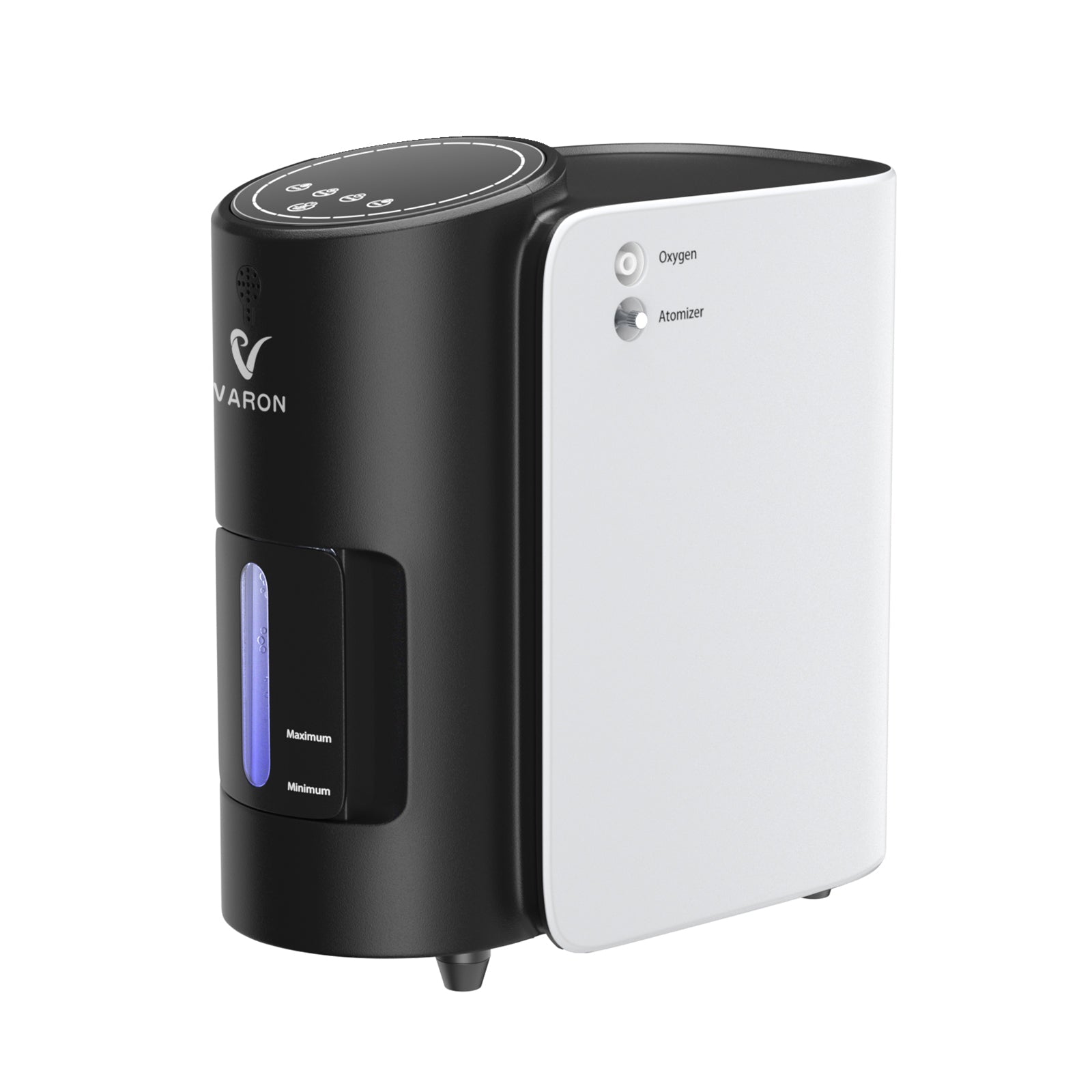
VARON VH-1 Home Oxygen Concentrator | 1-7 Adjustable, Vital Senior Health
What does oxygen concentration actually mean?
An oxygen concentrator takes in surrounding air and separates oxygen from other gases. The concentrated oxygen is then delivered through tubing and an appropriate interface.
This is why the oxygen purity level is expressed as a percentage. For example, a device producing 90% oxygen concentration is delivering a gas stream in which oxygen makes up approximately 90% of the output under the specified operating conditions.
For anyone searching for oxygen concentration explained, the key point is this: concentration is not the same thing as the amount of oxygen a person should receive. A concentrator may produce a high concentration while the prescribed flow rate determines how much oxygen is delivered over time.
Why is 90%+ considered important?
A concentration of 90% or higher represents a highly concentrated oxygen output compared with normal air. Oxygen concentrators designed for continuous oxygen delivery commonly work by filtering room air and concentrating its oxygen content.
That makes the oxygen purity level an important specification when evaluating a concentrator. Still, the number should be considered alongside flow rate, device performance, maintenance, and the settings prescribed for the individual.
The European Lung Foundation notes that supplemental oxygen involves breathing air containing more oxygen than usual and that oxygen levels and equipment should be tailored to individual needs.
How can you verify your device's oxygen output?

Checking the oxygen purity level is not simply a matter of looking at the percentage printed on the box. The actual output can be influenced by operating conditions and the condition of the equipment.
Here are practical ways to approach verification.
1. Check the manufacturer's specifications
Start with the device manual or official specifications. Look for the stated oxygen concentration range and the flow rate at which that specification applies.
For example, a device may state a concentration range rather than one fixed number. That distinction matters because the output can vary according to the selected flow and operating conditions.
2. Check the device's indicators
Some concentrators provide a display showing operating information, settings, alarms, or other performance indicators. These indicators can help you identify whether the unit is operating normally.
A display, however, should not be treated as a substitute for professional equipment testing when accurate oxygen concentration needs to be confirmed.
3. Consider an oxygen analyzer for direct testing
An oxygen analyzer is designed to measure the oxygen concentration coming from the device. This provides a more direct way to assess output than relying only on the manufacturer's stated specification.
If your equipment appears to be performing differently from normal, contact the supplier or a qualified service professional rather than changing your prescribed oxygen setting yourself.
4. Keep filters and accessories properly maintained
Maintenance is easy to overlook, but it matters. A dirty intake filter can restrict airflow and affect how efficiently a concentrator operates.
The NHS also emphasizes appropriate equipment use, ventilation, and safety precautions for people using oxygen at home.
Does 90% oxygen mean you should increase your oxygen flow?
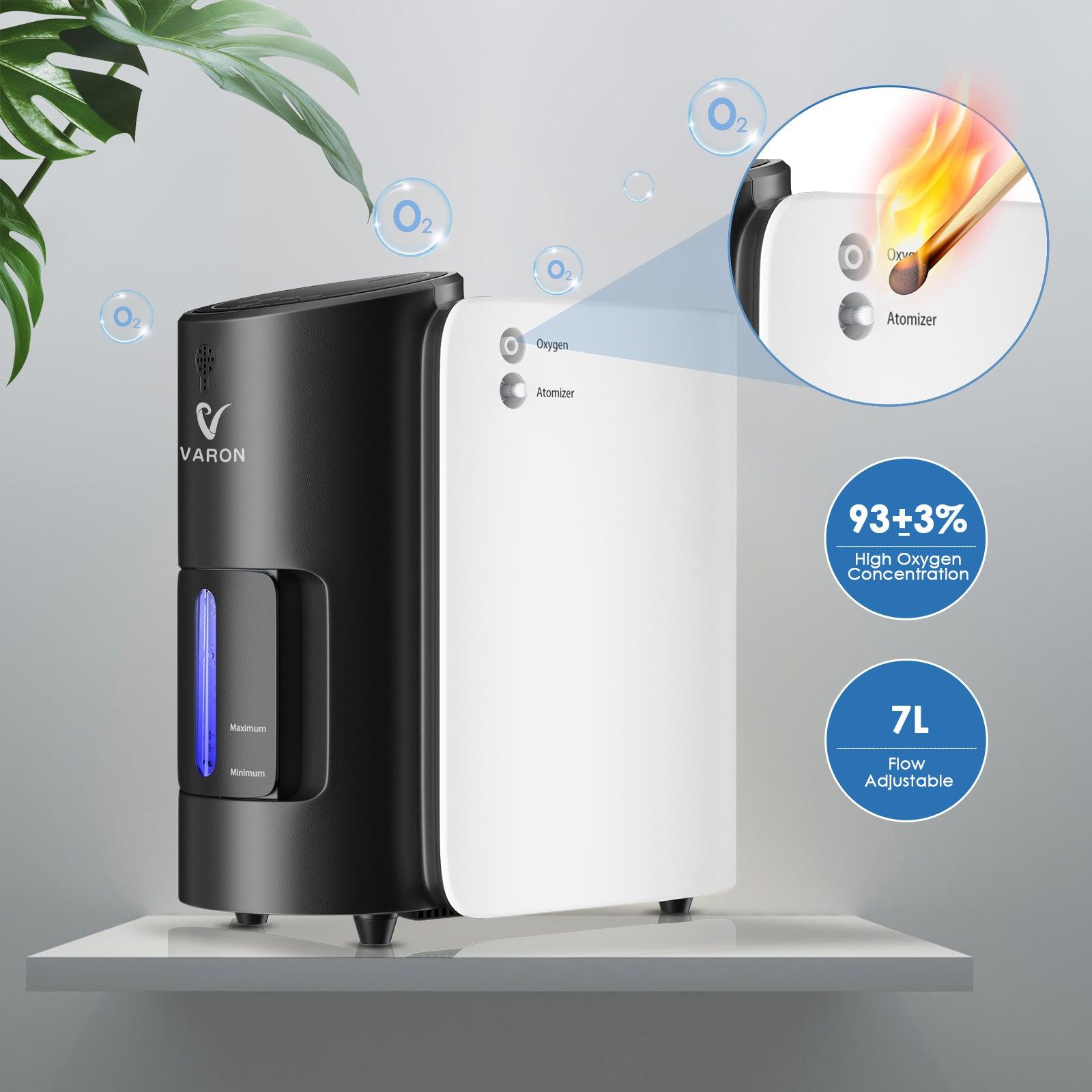
No. This is one of the most important points when considering oxygen concentration explained.
A concentrator's concentration percentage tells you about the composition of its output. The prescribed flow rate tells you how much oxygen is being delivered through the system. These are related, but they are not interchangeable.
If your prescribed setting is 2 L/min, for example, you should not increase it simply because a device can operate at 5, 6, or 7 L/min.
Home oxygen should be individually assessed and prescribed. The NHS states that people should follow their healthcare professional's instructions regarding how home oxygen is used.
Choosing a home concentrator with reliable output
Once you understand oxygen purity level, it becomes easier to look beyond marketing claims and evaluate the practical features of a home concentrator.
The VARON VH-1 Home Oxygen Concentrator is designed for continuous home oxygen use, with an oxygen concentration range of 35%–90% and an adjustable oxygen flow of 1–7 L/min. Its continuous operating mode makes it suitable for users who have been instructed to receive oxygen for extended periods.
The VH-1 operates at ≤48 dB(A), helping keep the surrounding environment relatively quiet during everyday use. It has a 150 W output power rating and dimensions of 12 × 8.43 × 11.02 inches, with a weight of 12 lb.
Its large LED panel provides information about settings, flow rate, and timer functions, while the wireless remote control allows adjustments from elsewhere in the room. These features can be useful when comfort and straightforward operation matter during daily routines.
The device also includes a humidification function, which can add moisture to the oxygen stream, and a built-in nebulizer function with a nebulizer kit.
For people already instructed to use oxygen at home, choosing a concentrator with clear controls, continuous delivery, and manageable noise can make daily oxygen use more comfortable and convenient.
Maintaining the VH-1 for consistent performance

Understanding oxygen concentration explained also means understanding maintenance. The VH-1's air-intake filter cotton is not washable and should be replaced after 100–200 hours of use, or immediately if it becomes visibly dirty.
The oxygen inhaler head should be cleaned approximately once a week. The nasal cannula should be cleaned after each use; for daily use, the supplied guidance recommends replacing it about every two months, while less frequent users can replace it every three to six months.
The filter helps remove dust, dirt, and pollen from incoming air. Regular attention to the filter and ventilation areas can help maintain the equipment and support reliable operation.
Keep your equipment clean, check its indicators regularly, and follow the prescribed settings rather than adjusting oxygen flow based solely on how you feel.
Key Takeaways
-
The oxygen purity level tells you the percentage of oxygen in a concentrator's output.
-
An oxygen concentration explained specification of 90% means the output is highly concentrated compared with ordinary room air.
-
A 90% concentration does not mean everyone should receive a higher oxygen flow.
-
Flow rate and duration should follow individualized healthcare instructions.
-
The actual oxygen purity level can be checked using appropriate oxygen-measuring equipment when verification is necessary.
-
Filters, tubing, and accessories need regular cleaning or replacement according to the manufacturer's instructions.
-
The VARON VH-1 provides 35%–90% oxygen concentration, 1–7 L/min continuous flow, and ≤48 dB(A) operating noise for home use.
-
Oxygen equipment should be used safely and according to professional guidance.
Conclusion

Understanding the oxygen purity level makes oxygen equipment specifications much easier to interpret. When searching for oxygen concentration explained, remember that a 90% reading refers to the concentration of oxygen in the device's output—not a recommendation to increase your personal oxygen setting.
The oxygen purity level is only one part of reliable oxygen delivery. Flow rate, maintenance, equipment condition, and the individual's prescribed oxygen plan all matter. A proper oxygen concentration explained approach therefore looks at the complete system rather than chasing the highest percentage.
For people who have been instructed to use supplemental oxygen at home, the VARON VH-1 offers 35%–90% oxygen concentration, adjustable 1–7 L/min continuous flow, and quiet operation of ≤48 dB(A). It is designed to support comfortable daily oxygen use without presenting the device as a cure or replacement for professional healthcare.
Prioritize comfort, follow your prescribed oxygen plan, and keep your equipment properly maintained so your oxygen routine can fit more naturally into everyday life.
FAQ
What does 90% oxygen concentration mean?
A 90% oxygen concentration means that approximately 90% of the gas produced by the concentrator is oxygen under the specified operating conditions. It is much more concentrated than ordinary room air, which contains about 21% oxygen.
Is 90% oxygen concentration good?
A 90% concentration is a high oxygen concentration for a concentrator's output. However, whether it is appropriate for you depends on your prescribed oxygen settings and individual healthcare needs.
How do I check my oxygen concentrator's purity?
You can check the manufacturer's stated concentration range and device indicators. For a direct measurement, an appropriate oxygen analyzer can measure the concentration of oxygen coming from the concentrator.
Does higher oxygen concentration mean I should use a higher flow?
No. Oxygen concentration and flow rate are different measurements. Do not increase your prescribed flow simply because your concentrator can produce a high concentration or operate at a higher flow.
How often should I maintain my oxygen concentrator?
Follow the manufacturer's maintenance instructions. For the VARON VH-1, the non-washable intake filter should be replaced after 100–200 hours of use or sooner if dirty, while the oxygen inhaler head should be cleaned approximately weekly and the nasal cannula after each use.


