



Does Age Affect How We Breathe? What Changes Over Time
CODE
As we grow older, many changes happen inside the body, and the lungs are no exception. While some people notice they become short of breath more easily, others may not realise that their breathing efficiency has slowly declined over the years. Understanding ageing and breathing can help people recognise what is considered a normal part of ageing and what may require medical attention.
Changes in lung function over time do not automatically mean poor health. Many older adults continue to enjoy active lives by looking after their lungs through exercise, healthy habits, and proper respiratory support when needed. If a chronic lung condition develops, receiving treatment at home with a VARON oxygen concentrator can provide comfortable respiratory support for conditions such as asthma, COPD, pneumonia, bronchitis, lung cancer, influenza, and sleep apnoea when prescribed by a healthcare professional.
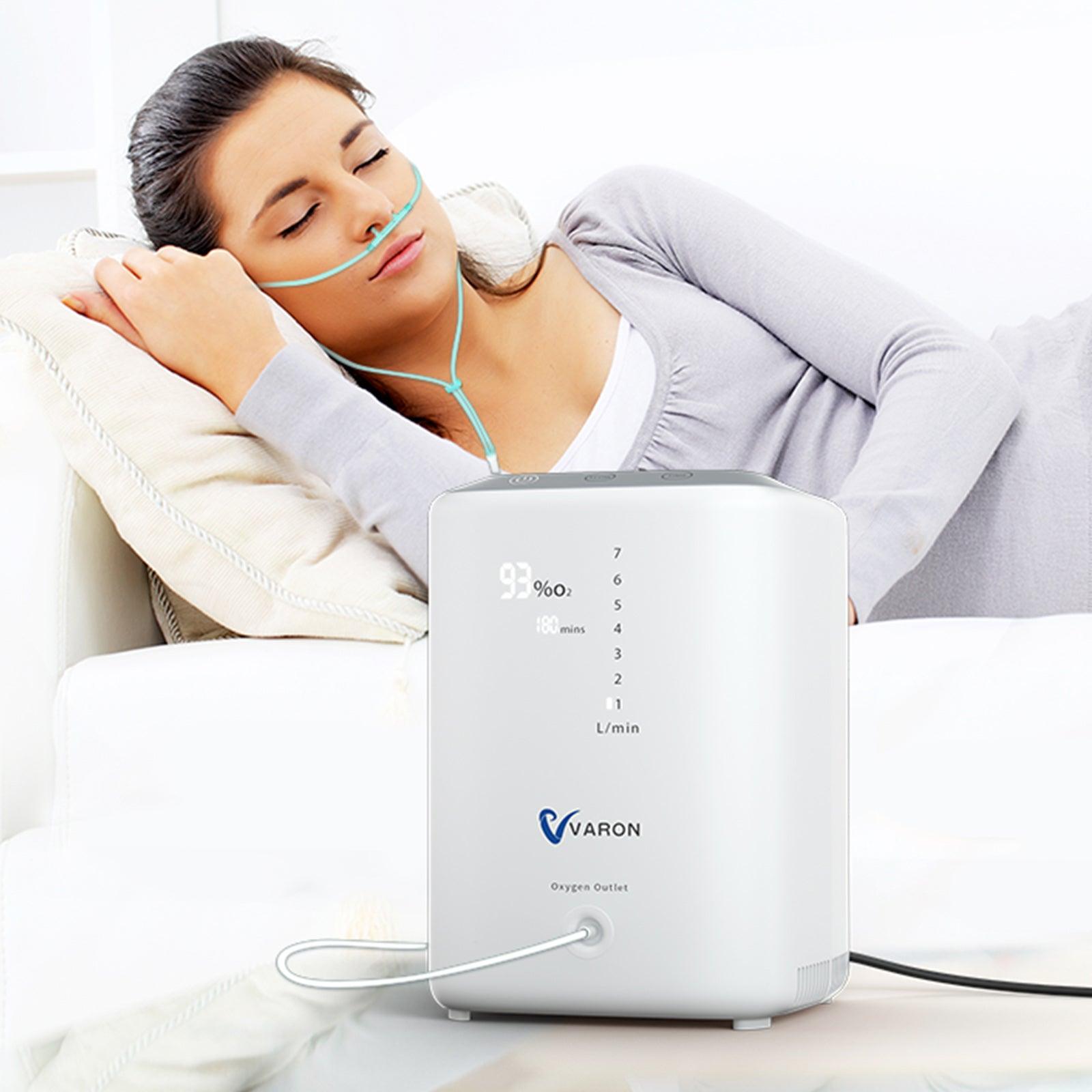
VARON VH-3 Home Oxygen Concentrator | 1-7 Comfortable Therapy
Why Does Breathing Change as We Age?
The ageing process affects almost every part of the respiratory system. Your lungs, airways, muscles, and even your rib cage gradually lose some flexibility.
These natural changes make breathing slightly less efficient than it was during younger adulthood.
Lung Tissue Becomes Less Elastic
One of the biggest reasons behind ageing and breathing changes is that lung tissue gradually loses elasticity.
Healthy lungs stretch and contract easily. With age, they become stiffer, making it harder to fully expand during inhalation and completely empty during exhalation.
As a result:
-
Less fresh oxygen reaches the bloodstream.
-
Carbon dioxide leaves the lungs more slowly.
-
Deep breathing becomes more difficult.
The Chest Wall Stiffens
Bones, joints, and muscles surrounding the lungs also change.
The ribs become less flexible, and the muscles that assist breathing gradually weaken. This means the lungs have to work harder with every breath.
This is another reason why lung function over time naturally declines, even among healthy adults.
How Lung Capacity Changes Over Time

Our lungs usually reach peak performance in our twenties.
From around the age of 30 onwards, lung capacity slowly begins to decrease. Although this decline is gradual, it becomes more noticeable after the age of 60.
Less Air Moves In and Out
The amount of air the lungs can move with each breath decreases.
Many older adults notice:
-
Shortness of breath when climbing stairs.
-
Longer recovery after physical activity.
-
Reduced exercise endurance.
-
Feeling tired more quickly.
These are common signs associated with ageing and breathing, although severe breathlessness should always be assessed by a healthcare professional.
Airways Become More Sensitive
Ageing can also increase airway sensitivity.
Exposure to smoke, pollution, cold weather, or respiratory infections may trigger coughing or breathing discomfort more easily than before.
This explains why lung function over time is affected not only by age but also by environmental factors.
The Role of Respiratory Muscles
Breathing depends heavily on strong muscles.
The diaphragm and chest muscles help expand the lungs during every breath.
Muscle Strength Naturally Declines
Like other muscles in the body, respiratory muscles become weaker with age.
When these muscles lose strength:
-
Deep breathing requires more effort.
-
Coughing becomes less powerful.
-
Clearing mucus becomes more difficult.
These factors increase the risk of chest infections in older adults and contribute to ongoing ageing and breathing challenges.
Why Older Adults Are More Vulnerable to Respiratory Illness

Natural ageing affects the immune system as well.
Older adults are generally more susceptible to respiratory infections including:
-
Influenza
-
Pneumonia
-
Bronchitis
-
COPD flare-ups
-
Asthma attacks
Recovery often takes longer because lung function over time has already declined before illness begins.
This makes prevention especially important.
Wearing Face Masks Can Feel More Difficult
Many people noticed breathing discomfort while wearing protective face masks during influenza outbreaks or other respiratory seasons.
Healthy people may occasionally feel stuffy while wearing masks for extended periods.
For individuals living with COPD or other chronic respiratory conditions, that sensation can feel even more uncomfortable because breathing already requires greater effort.
For those prescribed oxygen therapy, portable or home oxygen machines can help provide comfortable respiratory support during daily life, allowing patients to manage their respiratory needs more comfortably at home under medical guidance.
How to Maintain Healthy Breathing as You Age

Although ageing cannot be stopped, there are many ways to slow the decline in respiratory performance.
Understanding ageing and breathing allows people to take proactive steps before problems become severe.
Stay Physically Active
Regular physical activity helps maintain:
-
Lung efficiency
-
Heart health
-
Muscle strength
-
Better oxygen circulation
Walking, swimming, cycling, and gentle strength exercises all support healthy breathing.
Practise Deep Breathing Exercises
Simple breathing exercises improve lung expansion and strengthen respiratory muscles.
Daily deep breathing may also help clear mucus and improve oxygen exchange.
Avoid Smoking
Smoking remains the leading cause of preventable lung disease.
Stopping smoking can significantly slow the decline in lung function over time, regardless of age.
Eat a Balanced Diet
Proper nutrition supports healthy muscles, including those responsible for breathing.
Foods rich in:
-
Vitamin C
-
Vitamin D
-
Omega-3 fatty acids
-
Protein
may help support respiratory health.
Stay Up to Date with Vaccinations
Vaccinations against influenza and pneumonia reduce the risk of serious respiratory infections among older adults.
When Oxygen Therapy May Be Recommended

Not everyone experiencing age-related breathing changes requires oxygen therapy.
However, individuals with chronic respiratory diseases may benefit from oxygen support if prescribed by their healthcare provider.
Conditions may include:
-
COPD
-
Chronic bronchitis
-
Severe asthma
-
Lung cancer
-
Pneumonia recovery
-
Certain cases of sleep apnoea when used alongside CPAP as directed by a clinician
Home oxygen therapy allows many patients to remain comfortable while continuing daily activities.
Why the VARON VH-3 Home Oxygen Concentrator Stands Out
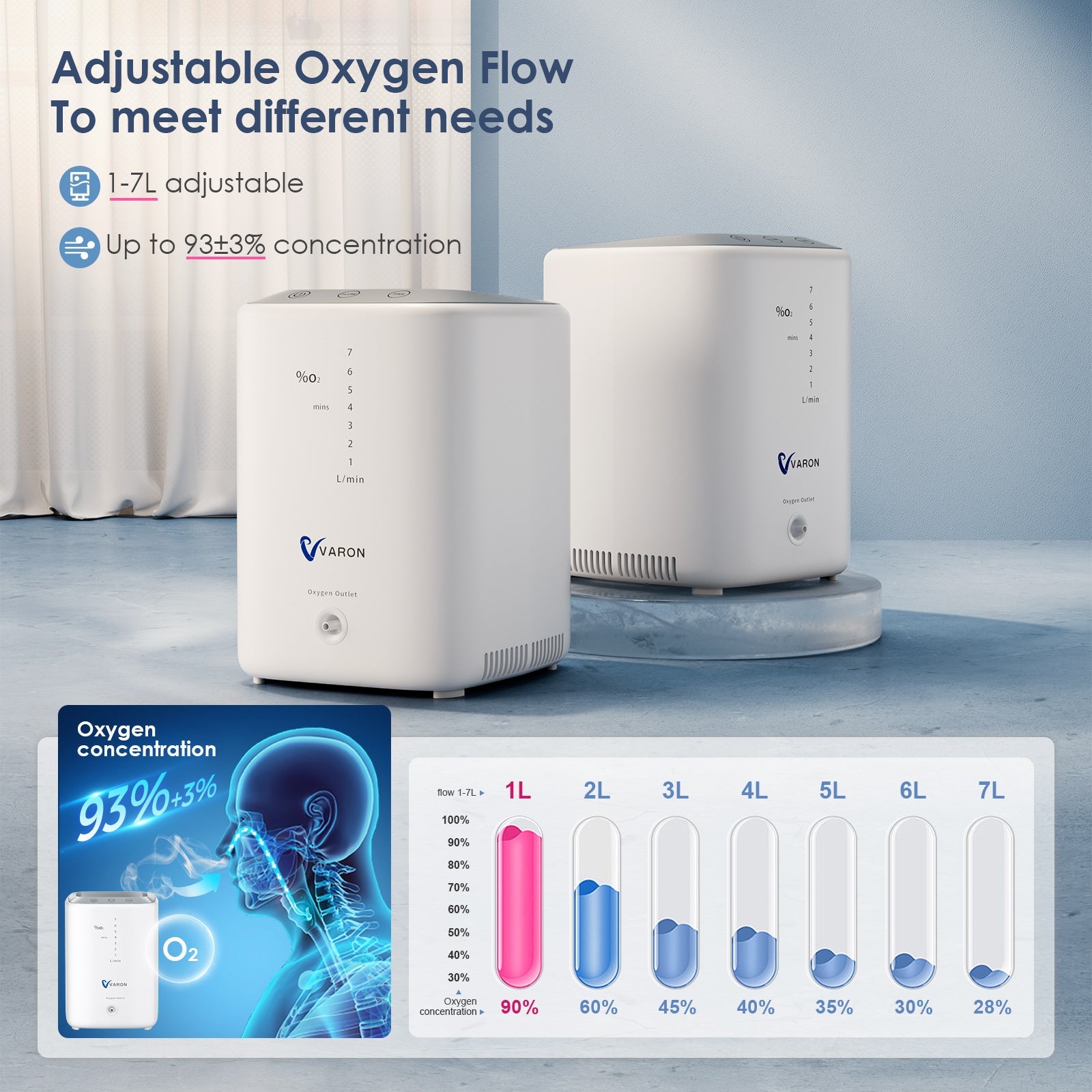
For people prescribed home oxygen therapy, the VARON VH-3 Home Oxygen Concentrator offers practical features designed for everyday comfort.
Continuous Oxygen Delivery
The VH-3 delivers continuous oxygen flow adjustable from 1–7, with oxygen concentration adjustable between 28% and 90%, allowing healthcare providers to tailor therapy according to individual needs.
Built-In Nebuliser
Unlike many standard oxygen concentrators, the VH-3 includes an integrated nebuliser.
This allows users to receive oxygen therapy and nebuliser treatment at the same time, making respiratory care more convenient.
Exceptionally Quiet Operation
Operating at 42 dB or below, the VH-3 remains quiet enough for daytime relaxation and overnight use without disturbing sleep.
Automatic Humidification
Dry oxygen can sometimes irritate the airways.
The VH-3 automatically humidifies oxygen without requiring manual water refills, helping improve comfort during long periods of therapy.
Advanced 10-Layer Filtration
Its 10-layer filtration system helps remove dust, pollen, and airborne impurities before oxygen reaches the user.
Lightweight Design
Weighing only 10.58 pounds (4.8 kg) and measuring 8.03 × 8.43 × 11.02 inches, the unit is easy to move around the home.
Reliable Continuous Operation
Its oil-free pure copper compressor supports continuous operation for up to 72 hours, making it suitable for extended use when prescribed.
Convenient User Features
The VH-3 also includes:
-
Large digital display
-
Sleep mode
-
Custom timer
-
SOS function
-
Infrared remote control
-
Spare filter pad
-
Included oxygen inhaler kit
-
Included nebuliser kit
It can also be used for pet oxygen therapy under veterinary guidance, with many veterinarians commonly recommending an initial flow rate of 1 L/min for cats and small dogs.
Key Takeaways

- Ageing and breathing naturally change as lungs become less elastic.
-
Lung function over time gradually declines after early adulthood.
-
Regular exercise, healthy eating, and avoiding smoking help preserve breathing efficiency.
-
Chronic lung conditions should always be managed under medical supervision.
-
Receiving treatment at home with a VARON machine is a comfortable way to support respiratory care for asthma, COPD, pneumonia, bronchitis, lung cancer, influenza, and sleep apnoea when prescribed, making home therapy one of the most suitable options at this stage for many patients.
-
The VARON VH-3 offers adjustable oxygen flow (1–7), oxygen concentration up to 90%, automatic humidification, a built-in nebuliser, quiet 42 dB operation, and continuous performance for up to 72 hours.
-
Use the exclusive discount code VARON10 when purchasing your VARON oxygen concentrator.
-
Shop Now and experience quieter, more comfortable respiratory support at home. Discover More about the VH-3 and choose dependable oxygen therapy designed for everyday living.
Conclusion
Growing older brings many natural changes, but understanding ageing and breathing allows you to take practical steps to protect your respiratory health. While some reduction in lung function over time is expected, staying active, preventing infections, and seeking medical advice early can help maintain independence and quality of life.
For people who require prescribed oxygen therapy, receiving treatment at home with the VARON VH-3 Home Oxygen Concentrator provides a comfortable, quiet, and reliable solution. Its continuous adjustable oxygen flow, integrated nebuliser, automatic humidification, advanced filtration, and user-friendly features make daily respiratory support easier and more convenient. Don't forget to use the exclusive discount code VARON10 when ordering. Shop Now and Discover More to breathe with greater comfort every day.


